People keeping an eye on sugars
You want to compare the amount of sugars shown in the nutritional information and spot any sweetening ingredients in a prepared recipe. A claim on the front of the pack is no substitute for checking both.


To choose pulses for lunch while keeping an eye on sugars, compare the ‘of which sugars’ line and the ingredients rather than relying on the product name alone. Dried pulses give you more choice when putting a meal together, but need preparation. Plain tinned pulses and ready meals save time, provided you check their salt content and ingredients too.
You want to compare the amount of sugars shown in the nutritional information and spot any sweetening ingredients in a prepared recipe. A claim on the front of the pack is no substitute for checking both.
You’re looking for chickpeas that are already cooked to put a meal together, or a legume-based dish to heat up. Saving time doesn’t mean you can skip checking the ingredients and salt content.
You can plan ahead to cook dried pulses and choose the other ingredients for your lunches yourself. With dried chickpeas, in particular, you’ll need to allow time for soaking and cooking.
For a legume-based lunch, first decide whether you want to prepare ahead, put a meal together quickly or choose a ready-made dish. Then compare the nutritional information of products intended for the same use, bearing in mind the difference between dried and cooked products.
Choose these if: you prepare several lunches in advance and want to decide which ingredients to add.
Bear in mind: dried chickpeas need to be soaked and cooked before serving.
Choose these if: you want to quickly put together a salad or bowl with pulses that are already cooked.
Check: salt content and drained weight vary between products.
Choose this if: you want a ready-made lunch that’s quick to prepare.
Check: the recipe may contain other grains, fats, salt or allergens.
| Priority | What to check | Who is this for? |
|---|---|---|
| Sugars | Compare ‘of which sugars’ per 100 g for products intended for the same use, then check the ingredients in prepared recipes. | If my main priority is limiting sugars in my lunch, I want to know how much they actually contain rather than rely on a claim on the front of the pack. Around 40% of consumers would put this first. |
| Preparation time | Distinguish between dried pulses that need cooking, pulses that are already cooked in tins and meals to heat up; check how much is ready to use. | When my lunch break is short, I prefer a format I can serve without having to plan ahead for cooking. Speed would be the top priority for around 30% of consumers. |
| What’s in the meal | Check the fibre and protein, where shown, as well as the ingredients, salt and portion size. | If I’m building a lunch around pulses, I want to be able to compare its nutritional information and choose what to add. Around 30% of consumers would put the meal’s ingredients first. |
A product can say ‘no added sugars’ while still listing sugars in its nutritional information. On its own, this claim isn’t enough to help you choose between two recipes.
Compare the ‘of which sugars’ line per 100 g on a like-for-like basis, and read the ingredients list.
Plain tinned pulses and prepared meals can have different recipes. A low sugar content doesn’t tell you how much salt they contain.
For every ready-to-serve product, check the salt alongside the sugars and ingredients.
Unlike chickpeas that are already cooked, dried chickpeas need to be prepared before you add them to a meal.
Save them for lunches you’re preparing in advance. If you need to put a meal together straight away, check for a product that’s already cooked.
You’ll need to allow time for soaking and cooking before the day you plan to eat them.
Dried chickpeas give you the freedom to choose which ingredients to add during preparation.
The retailer lists both dried and ready-cooked chickpeas from its Notre Jardin brand.
The chickpea range includes dried and ready-cooked products, which may have different recipes.
The retailer lists a tinned chickpea product.
The brand offers, among other things, a prepared dish combining quinoa and chickpeas.
These products include chickpeas ready to serve, pulses to prepare and frozen edamame to add to a meal. First choose a format that suits the time you have for preparation, then compare the information for each product.
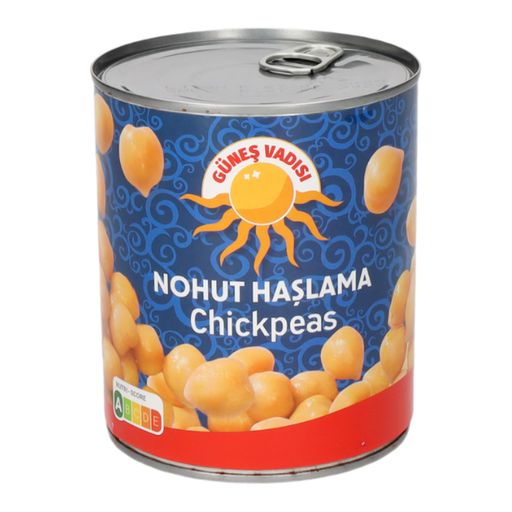 Image unavailable
An option to consider if you want to quickly put a lunch together with chickpeas that are already cooked.
Check the nutritional information for this product, particularly the salt. Lupin is listed in the allergen information.
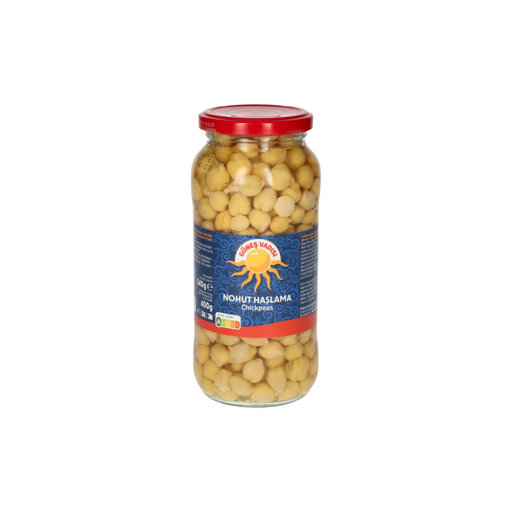 Image unavailable
This format of pre-cooked chickpeas is handy for putting together a lunch without having to cook dried pulses.
Check the label for the nutritional information and ingredients: salt and sodium metabisulphite are listed for this product.
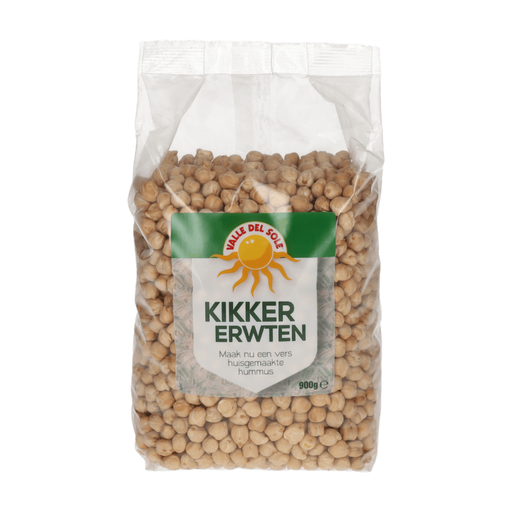 Image unavailable
Dried chickpeas to consider if you can prepare your lunches in advance and choose which ingredients to add.
Check the soaking and cooking instructions on the packaging. The figures for the uncooked product aren’t directly comparable with those for cooked chickpeas; possible traces of gluten are listed.
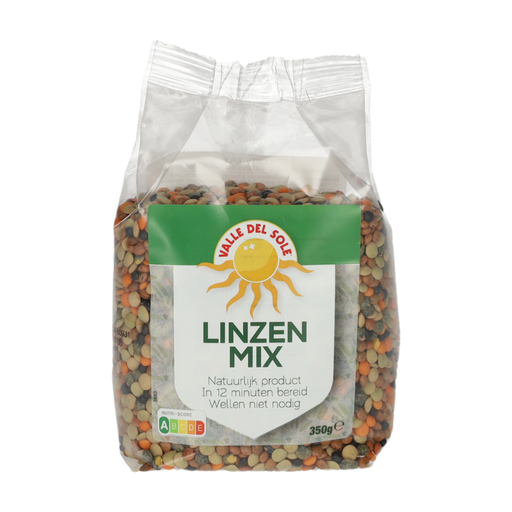 Image unavailable
These lentils are worth considering for making a salad or soup in advance.
The title suggests a mix, while the description lists green lentils. Check the ingredients on the packaging, as well as the preparation instructions and whether the nutritional information relates to the product before or after cooking. Possible traces of soya and gluten are listed.
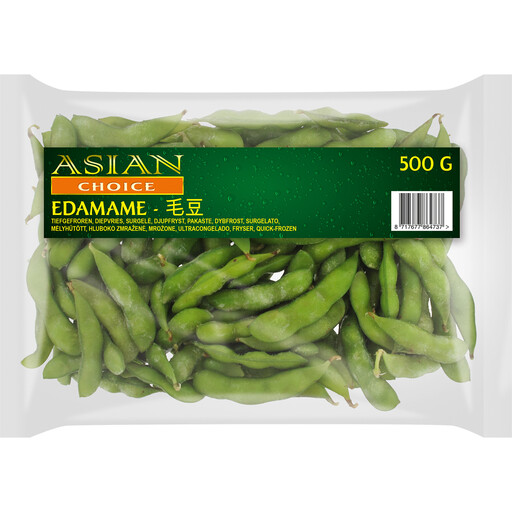 Image unavailable
Edamame to consider as pulses to add to a meal, bearing in mind that they need to be prepared.
This product contains soya. Store at −18 °C or below and do not refreeze after thawing; check the preparation instructions on the packaging.
No: this claim doesn’t mean that a product contains no sugars at all. To compare two products, check ‘of which sugars’ in the nutritional information on a like-for-like basis, as well as their ingredients lists.
Choose dried chickpeas if you can plan ahead for preparation. If you want to put a lunch together without that extra step, ready-cooked chickpeas are more convenient. Compare the sugars in products in the same state, rather than directly comparing a figure per 100 g of dried chickpeas with one per 100 g of cooked chickpeas.
Because sugars and salt tell you about two different aspects of a recipe. A plain tinned product or prepared meal might meet your criteria for sugars while still containing salt that you need to consider separately.
Not necessarily: the Bjorg quinoa and chickpea recipe mentioned here also contains wheat bulgur. Check the ingredients for the specific dish, particularly if you need to avoid certain allergens, rather than assuming what it contains from the name of the pulses.