You’re keeping an eye on salt
When choosing a tin or jar, check the salt per 100 g rather than relying solely on claims such as ‘plain’ or ‘organic’. Anses recommends reading food labels to find out what foods contain.


To keep added salt and fat in check, cooking plain dried pulses yourself lets you choose the seasoning, but takes time to prepare. If speed matters more, compare plain tinned or jarred options by checking the ingredients and the salt and fat values per 100 g: a plain option is not necessarily low in salt.
When choosing a tin or jar, check the salt per 100 g rather than relying solely on claims such as ‘plain’ or ‘organic’. Anses recommends reading food labels to find out what foods contain.
You’re looking for plain lentils, chickpeas or beans to use in your own dish, without confusing them with recipes that contain fat or sauce. Notre Jardin product information from E.Leclerc shows why this distinction matters.
You prefer pulses that are ready to use straight from the tin, while still wanting to choose what you add to your dish. The ingredients list helps you tell a simple product from one that has already been seasoned.
Choose these: if you can plan ahead for cooking and want to control what you add to your recipe.
Bear in mind: the preparation time and the instructions for the specific product.
Choose these: if you need pulses that are ready to use in a quick meal.
Check: the salt content of the exact product, even if the recipe seems simple.
Choose these: if you prefer a recipe that’s already seasoned.
Bear in mind: added ingredients can affect fat and salt values; check the figures for the specific product you choose.
To compare nutritional values, start with products of the same type and check whether the figures refer to the dried, prepared or drained product.
| Criteria | What to check | Who is it for? |
|---|---|---|
| Salt | Compare salt per 100 g across similar products and read the ingredients list. | When I choose a convenient tin, I want to know its salt content rather than rely on the word ‘plain’ alone; around 42% of consumers make this a priority. |
| Added fat | Check fat per 100 g and look for oils or fats in the ingredients of cooked recipes. | When making a dish with pulses, I prefer to choose any added fat myself; this is a priority for around 33% of consumers. |
| Time and format | Check the drained weight of a tin or the cooking instructions for a dried product. | When I need to prepare a meal quickly, a tin that’s ready to use saves me cooking time, even if I still need to choose the seasoning; around 25% of consumers prioritise this time saving. |
Even a simple recipe can contain salt. E.Leclerc’s product information for Notre Jardin plain lentils lists 0.8 g of salt per 100 g.
Compare the ‘salt’ line on the label of similar products you’re considering.
At E.Leclerc, Notre Jardin plain lentils contain 0.3 g of fat per 100 g, compared with 3.2 g for the recipe in the same range that contains 4% goose fat.
If you want to limit added fat, check the ingredients and nutritional values for each recipe. Then, if a plain option suits your needs, choose the seasoning yourself.
The net weight includes the covering liquid, while the drained weight, when shown, tells you how much pulse remains after draining.
Check both figures to choose the right size for your recipe. Draining or rinsing the pulses doesn’t remove the need to check the stated salt value.
Carrefour offers chickpeas in tins and jars, among other options; one Carrefour Bio product contains salt from Noirmoutier.
The range includes plain and cooked lentils, which should be compared according to the recipe.
The Auchan range includes plain pulses as well as cooked recipes.
Aldi’s range includes green lentils and dried white beans in 500 g packs.
Lidl’s organic dried pulse range includes lentils, chickpeas, split peas and beans.
These products are dried lentils and mung beans that you cook and season yourself. They’re a plain base to prepare, rather than a ready-to-use tinned option. To compare their salt and fat content, check the values per 100 g and note which state of the product they refer to.
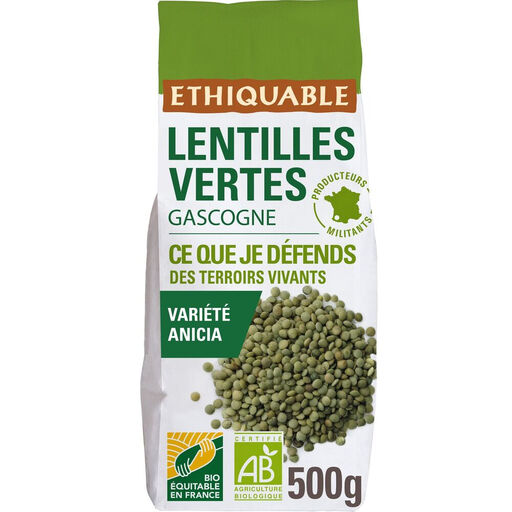 Image unavailable
Prepare plain lentils and choose your own seasoning as they cook. This dried product needs to be cooked before eating; check the nutritional values on the packaging and note which state of the product they refer to.
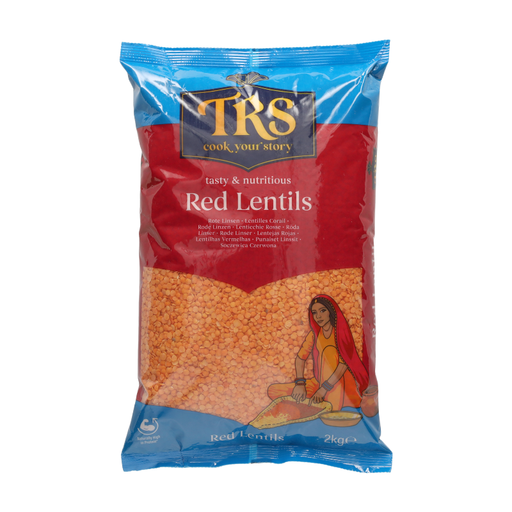 Image unavailable
Cook dried lentils and choose how much of each ingredient to add. The 2 kg pack is a dried product that needs preparing: check the cooking instructions and the nutritional values for the dried product on the packaging.
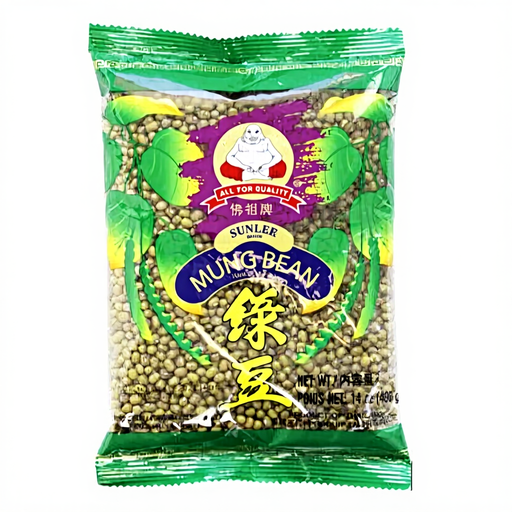 Image unavailable
For a recipe where you choose the seasoning, as long as you can plan ahead for preparation. These dried mung beans need soaking and cooking; follow the instructions on the pack.
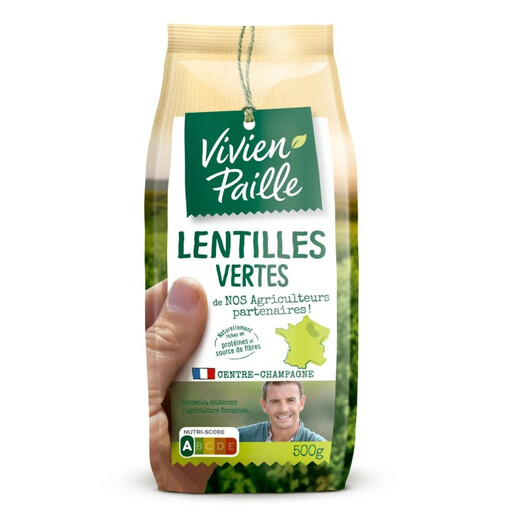 Image unavailable
Prepare a plain lentil base and add salt or fat yourself to suit your recipe. Allow time for cooking and check the pack instructions before you start.
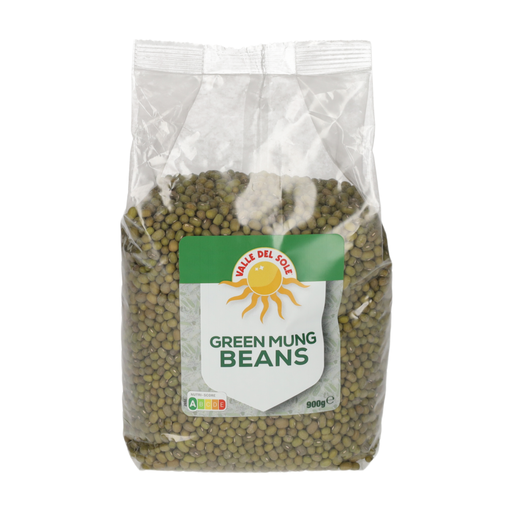 Image unavailable
Cook mung beans and choose the seasoning yourself. This is a dried product: check the preparation instructions and nutritional values on the 900 g pack.
No. E.Leclerc’s product information for Notre Jardin plain lentils lists 0.8 g of salt per 100 g. Compare this figure across similar tins rather than judging the salt content by the product name or its Nutri-Score alone.
Check the fat per 100 g and the ingredients list for the exact product. A cooked version may contain ingredients that aren’t in a plain one: according to E.Leclerc, the recipe for Notre Jardin lentils with goose fat contains 4% goose fat.
With dried pulses, you can choose how much salt to add during preparation, but they need cooking. Plain tinned pulses save you that step; to choose between them, compare their salt values and ingredients with those of similar products.
No. It doesn’t mean the product is salt-free. Check the salt per 100 g and the ingredients list for the specific product, then compare products in a similar state of preparation.