Anyone who wants to avoid leftovers
For a single lunchbox, a small pack lets you open one portion at a time. Carrefour and Auchan assortments include packs of smaller portions.


For a single lunch, choose a small pack if you want to avoid storing an opened tin. A larger tin is better suited to preparing several lunchboxes, as long as you plan how to use and store any leftovers. If you can’t put your meal together at work, a ready-to-eat recipe can save you a few steps, but check its ingredients and allergens.
For a single lunchbox, a small pack lets you open one portion at a time. Carrefour and Auchan assortments include packs of smaller portions.
If you’re making several salads or side dishes, a larger tin may be a good choice. Just plan how to store anything left after opening.
If opening and assembling a tin isn’t convenient, a ready-to-eat recipe can make lunchtime simpler. Check how it should be prepared, its ingredients and any allergens.
Start with the amount you’ll use, then choose between pulses to assemble yourself and a ready-made recipe. For anyone preparing a quick office lunch, each row below relates to a key need.
| What to consider | What to check | Who it’s for |
|---|---|---|
| Single portions | The net drained weight and how many portions you can use from the pack. | If I’m making just one salad, I’d rather open an amount I can finish. Around 31% of consumers would put the question of leftovers at the top of their list. |
| Several meals | The usable amount and storage instructions after opening. | When preparing several lunchboxes, I look for enough pulses to divide into portions without leaving an opened tin for too long. This would be the top priority for around 25% of consumers. |
| Preparing lunch at work | How the product is intended to be eaten and what you’ll need to open or heat it. | When I have little time or equipment, I want to keep the steps before eating to a minimum. Ease of preparation would be a priority for around 25% of consumers. |
| What’s in your meal | The ingredients list, allergens and nutritional information for the product you choose. | I’d rather choose what to add to my pulses than pick a ready-seasoned recipe. Around 19% of consumers would prioritise having this freedom to choose what goes in their meal. |
Two tins that look a similar size won’t necessarily provide the same amount once drained.
Check the net drained weight for each product before deciding on your portions.
A tin intended for several meals leaves you with leftovers to manage if you’re only making one lunchbox.
Choose an amount that suits you or plan your next meals. Once opened, follow the storage instructions on the packaging.
A recipe may contain ingredients other than pulses. Bjorg’s quinoa and chickpea dish, for example, includes wheat bulgur.
Check the ingredients list and allergens for the exact product, especially if you need to avoid certain foods.
Plain tinned pulses make a base for a meal you can put together yourself, while a prepared recipe already contains several ingredients.
If you’re putting together a plant-based lunch, you can add vegetables and a cereal-based food, as suggested by Manger Bouger.
The retailer offers tinned lentils and other pulses, both under its own brands and national brands.
The retailer offers tinned Notre Jardin lentils and chickpeas, among other products.
Auchan’s range includes individual tins and multipacks of pulses.
ALDI’s range includes tinned pulses, including All Seasons chickpeas.
Its quinoa and chickpea dish is a ready-to-eat recipe rather than plain tinned pulses.
These products include individual containers of pulses to divide between meals, as well as a cooked chickpea recipe. If you’re buying for your cupboard, distinguish between the container weight and the amount you can use after draining. These products are not presented as multipacks.
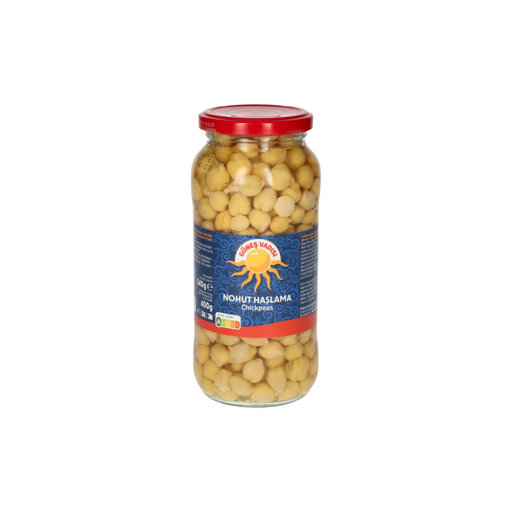 Image unavailable
Worth considering if you’re dividing chickpeas between several lunches. The container is listed as 540 gr; check the net drained weight and instructions for after opening before planning your portions.
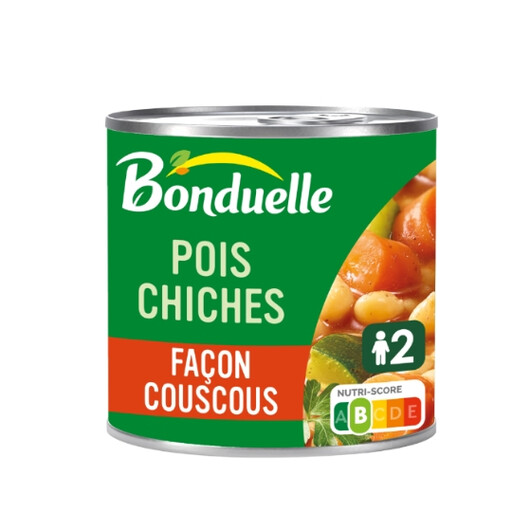 Image unavailable
This ready-made recipe could suit you if you want to avoid assembling several ingredients at work. The container is listed as 400g; check the heating instructions and allergens, especially if you need to avoid soya or cereals containing gluten.
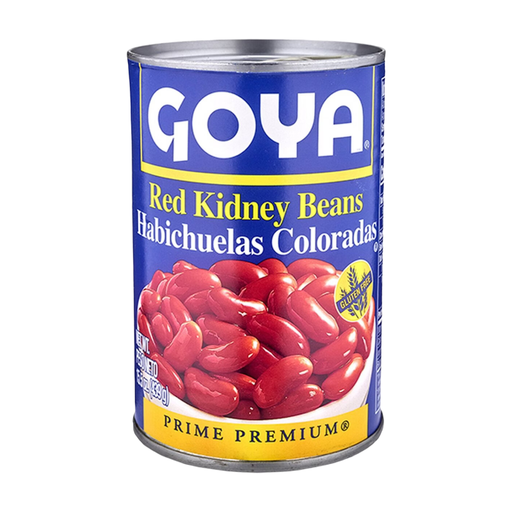 Image unavailable
Red kidney beans to use as a base for a meal you put together yourself. The container is listed as 439g; check the net drained weight and instructions for after opening to help plan your portions.
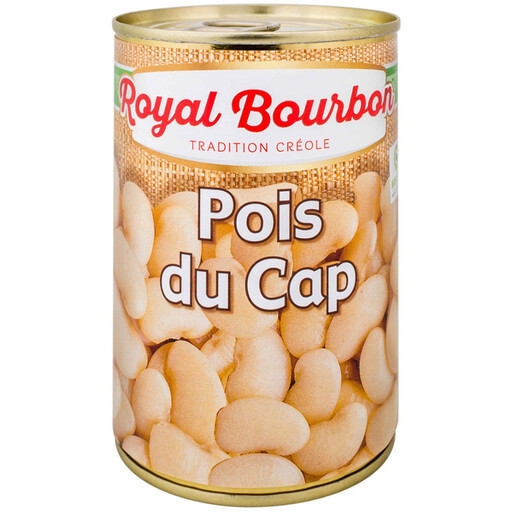 Image unavailable
These black-eyed peas can be used as the base for a lunch you put together yourself. The container is listed as 400g; check the amount after draining and the storage instructions if you won’t use it all at once.
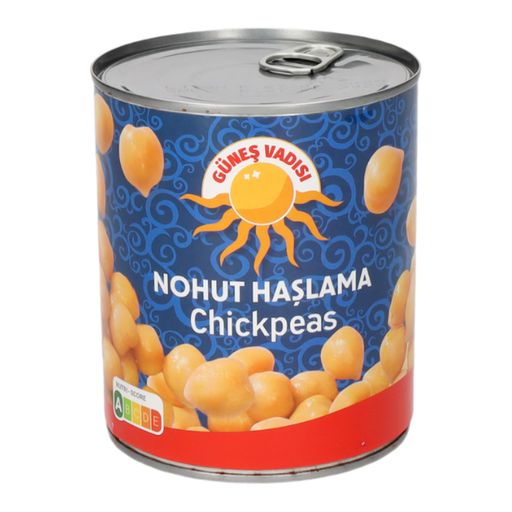 Image unavailable
This large container is worth considering if you’re planning to use the chickpeas across several meals. It’s listed as 820 gr: plan how to store any leftovers and check the label, particularly for lupin if that allergen is relevant to you.
Choose according to the portions you’ll actually use. A multipack of smaller units lets you open them separately; with a large tin, you’ll need to plan how to store what’s left after the first meal.
You can pair them with vegetables and a cereal-based food. Manger Bouger suggests combinations such as chickpeas with couscous or lentils with rice. Choose ingredients to suit the meal you’re preparing.
Choose plain tinned pulses if you want to pick your own toppings and seasoning; a cooked recipe means fewer steps to put your meal together. Always check the ingredients and allergens for the product you choose: Bjorg’s quinoa and chickpea dish contains wheat bulgur.
Follow the storage instructions for each ingredient while travelling and at work. The Ministry of Agriculture highlights the importance of keeping the cold chain intact and recommends setting your fridge to +4 °C. Plan accordingly if your lunch contains foods that need to stay chilled.