
Livraison le jour même ou le lendemain

Qualité garantie

Débloquez vos offres de bienvenue: Livraison GRATUITE | Jusqu'à -80 % | 30 jours d'essai gratuits à JoyPlus
Téléchargez l'application
Provence products bring to mind southern French markets, aromatic herbs, refreshing rosé wines and the scents of the garrigue. But buying online can sometimes come with surprises: unclear ingredients, an unsuitable size or a product presented as regional without clear information about its origin.
Before ordering Provençal specialities, fragranced products or a gift set, it is worth keeping three common pitfalls in mind.
For wine, look for a clearly displayed geographical indication. A bottle of AOP Côtes de Provence complies with precise specifications, while the grape variety and alcohol content provide useful information about the product. Details may vary depending on the vintage or seller, so always check the label on the bottle you receive.
For herbes de Provence, the ingredients list is particularly informative. It helps you distinguish an aromatic blend from a single herb, such as thyme or rosemary. French origin and organic certification, where stated on the product page, are verifiable details. However, they do not guarantee the taste on their own.
A 13 to 18 g jar is suitable for occasional use or sensible everyday cooking. Once opened, herbs should be kept in a dry place, away from light, heat and moisture. An airtight lid helps preserve their aromas, but it does not replace suitable storage.
For a Provence rosé, check the volume, alcohol content and recommended serving temperature. The bottles shown here are 75 cl. Some product pages recommend serving between 6 and 10 °C, as well as storing the wine in a cool, dark place. Alcohol is for adults only and should be consumed responsibly.
Food products may contain milk, nuts, eggs, gluten or sulphites. For example, calisson ice cream may contain almonds, milk and egg. Aperitif crackers may contain wheat, soya and milk.
For Provence-scented body care, take the time to read the INCI list and directions for use. A fragranced product may contain declarable allergens such as limonene, linalool or citral. These formulas are intended for external use: avoid contact with the eyes and stop using the product if irritation occurs.
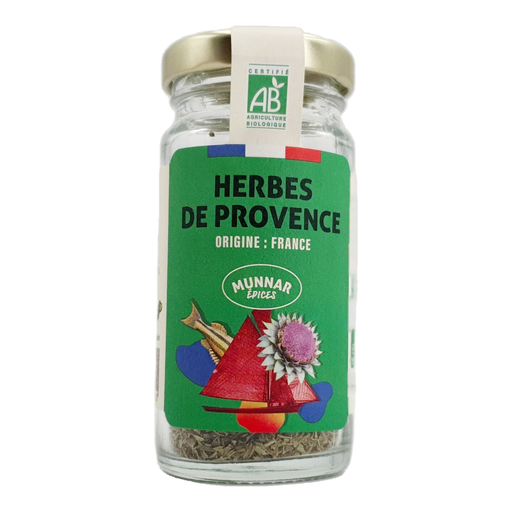
Why this product suits this profile : This compact size lets you try herbes de Provence without cluttering your cupboard or building up unnecessary stock. It is ideal for everyday recipes, roasted vegetables and grilled dishes.
The product page clearly states the 13 g weight, French origin, ingredients and storage conditions. This means you can compare concrete details rather than relying on a simple marketing promise.
Blend of Provençal herbs, French origin and compact 13 g size.
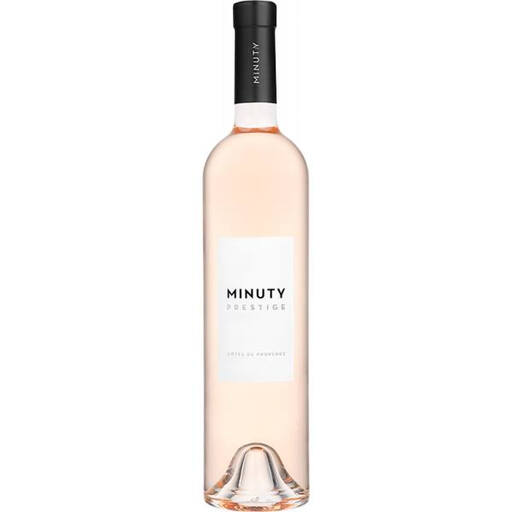
Why this product suits this profile : This bottle is aimed at those looking for an appellation wine to serve with a meal, share with guests or give as a gift with a Provençal feel.
The AOP Côtes de Provence appellation and 75 cl format provide clear points of reference. The description mentions a pale colour along with citrus and white-fleshed fruit notes. These details can guide your tasting without assuming what you will enjoy.
AOP Côtes de Provence, 75 cl bottle and detailed flavour profile on the product page.
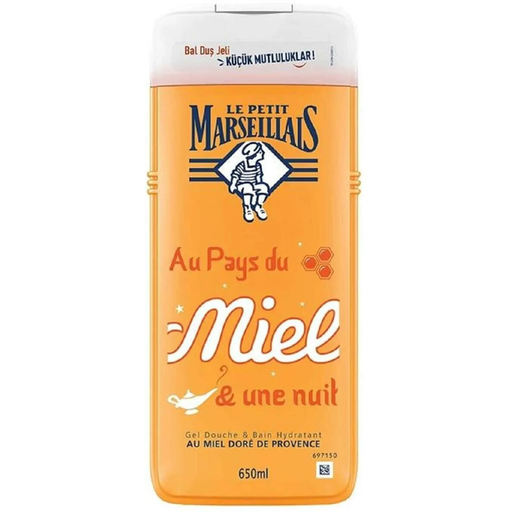
Why this product suits this profile : With its 650 ml capacity, this bottle is designed for regular use at home. Its Provence honey fragrance adds a sensory touch to your daily routine.
The product page details the volume, ingredients, directions for use and recyclable packaging. This makes it easier to choose a size that genuinely suits your usage habits.
650 ml, formula stated to be colourant-free and 92 % naturally derived ingredients according to the product page.
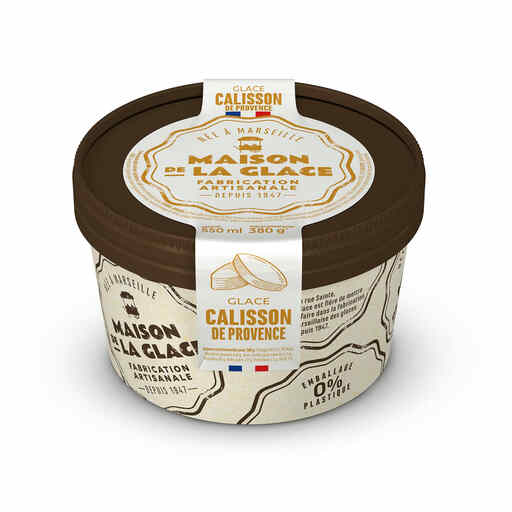
Why this product suits this profile : This 380 g ice cream captures the signature flavours of Provence calissons, with almond and orange. It can complement a dessert or take pride of place in a selection of gourmet treats to share.
The product page states the weight, allergens, nutritional values and storage at −18 °C. Before ordering, check that transport and cold storage are possible.
380 g size, calisson-inspired flavour, almond and orange, with production stated as taking place in Marseille.
We have put together a complete selection, updated in real time, of products that meet these demanding criteria and European safety standards.
To prepare a meal with a taste of the South, pair herbes de Provence, rosemary or thyme with vegetables, poultry or fish. The Ducros blend, which includes rosemary, savoury, marjoram, oregano, basil and thyme, makes it easy to check the exact ingredients before placing your order.
When it comes to drinks, a Provence rosé or Côtes de Provence wine is generally best served well chilled. Compare the stated flavour notes, alcohol content and serving conditions rather than relying solely on the label.
For gifting, a verbena-scented duo or an assortment combining savoury specialities and sweet treats can suit many different tastes. Simply remember to check the storage temperature for frozen products and whether gourmet gift sets contain any allergens.
A small jar of aromatic herbs, such as the 13 g MUNNAR blend, is a good way to discover Provençal flavours without spending too much. For a first bottle of wine, an AOP Côtes de Provence product provides more precise information about its origin and style.
Store them in a dry, closed cupboard away from light. The best-before date is shown on the packaging. Over time, herbs mainly lose their aromatic strength, so check their smell and appearance before using them.
Check the volume, the exact contents of the gift set, fragrance ingredients and directions for use. If the recipient has sensitive skin or reacts easily to fragrances, choose a gift set with a clearly detailed ingredient list. This allows you to make a more careful choice.