To make a pasta dish with more protein, start by looking at the dried pasta, then compare the sauces. Barilla lists 20 g of protein per 100 g for its Spaghetti Protein+, while Auchan and E.Leclerc list between 2.8 and 5.3 g per 100 g for three specific bolognese sauces. However, dried pasta and ready-to-use sauces have different water contents, so these figures alone don’t tell you how much protein is in a finished serving. Then choose a sauce based on its ingredients, nutritional values and how much you plan to use.
Who are these choices for?
Anyone comparing protein in the whole dish
If you want to know how much protein is in your meal, check the values for the pasta and sauce separately, then take account of the amounts you actually serve. Barilla, for example, publishes the protein content of its Spaghetti Protein+ per 100 g of dried pasta.
Vegetarians choosing a store-cupboard sauce
A vegetarian bolognese made with pea protein may suit you if you avoid meat. Check the ingredients and allergens for the specific product you buy rather than relying on the sauce name alone.
Anyone keeping an eye on salt and leftovers
If you use a ready-to-serve sauce, compare the salt per 100 g and choose a pack size that suits the portions you’re planning. The storage instructions after opening also matter if you won’t finish the jar in one meal.
What should you compare for your meal?
First decide where the protein in your dish will come from — the pasta, the sauce or another ingredient — then check that the recipe you choose fits your dietary preferences.
| Criteria |
What to check |
Who is it for? |
| Protein in the dish |
Compare the protein per 100 g in the dried pasta and sauce, then consider how much of each ingredient you plan to use. |
If I want to know how much protein is in my meal, the word ‘bolognese’ isn’t enough: I want to check the values for each component. Around 40% of consumers would put protein content at the top of their list of criteria. |
| Suitable ingredients |
Check the protein source, ingredients list and allergens for the specific product. |
If I want to avoid meat or a particular ingredient, I need to know what the recipe contains before choosing a sauce. This would be the priority for around 30% of consumers. |
| Salt, pack size and storage |
Check the salt per 100 g, the pack size and the storage instructions after opening. |
When I keep a sauce in the cupboard for quick meals, I also want to be able to use the opened jar and take account of the salt in the sides. Around 30% of consumers would put these practical considerations first. |
What should you watch out for when shopping?
-
Assuming every bolognese is high in protein
Protein content depends on the recipe. Auchan and E.Leclerc list 5.3 g, 4.9 g and 2.8 g of protein per 100 g for the three bolognese sauces reviewed.
Compare the ‘protein’ line in the nutritional information. To assess the whole dish, also look at the pasta and any other ingredients you’re serving.
-
Choosing by the recipe name without checking the ingredients
A vegetarian bolognese made with pea protein and a beef bolognese won’t suit the same dietary choices. Ingredients and allergens can also vary from one product to another.
Read the ingredients list on the product you buy. For prepacked food sold in France, the DGCCRF states that allergens must be clearly highlighted in the list.
-
Comparing protein and forgetting about salt
Auchan lists 0.87 g of salt per 100 g for Panzani Bolognaise Végétarienne and 1.1 g per 100 g for the Panzani Pur Bœuf bolognese listed on its site. These values apply to these specific recipes.
Compare the ‘salt’ line and take account of any cheese or other salty extras you plan to add.
-
Choosing a large jar without planning how to use it after opening
Both Panzani bolognese sauces featured by Auchan should be kept in the fridge and used within three days of opening.
Choose a pack size to suit your portions and follow the instructions on the jar you buy, as these may vary by product.
Useful brands for comparing products
Panzani
The brand offers recipes that let you compare a tomato sauce, a vegetarian bolognese made with pea protein and a beef bolognese.
- Auchan lists 5.3 g of protein and 0.87 g of salt per 100 g for Bolognaise Végétarienne, compared with 4.9 g of protein and 1.1 g of salt per 100 g for the Pur Bœuf recipe featured on the same site.
- These values don’t apply to every Panzani sauce. Check the recipe, pack size and label on the jar you choose.
Barilla
Its Spaghetti Protein+ is an option to consider when choosing the dried pasta that will form the base of your dish, regardless of the sauce.
- Barilla lists 20 g of protein per 100 g for Spaghetti Protein+ and notes that the recipe contains pea protein.
- This value applies to the pasta, not Barilla sauces or the meal once prepared.
Eco+
Its 420 g bolognese sauce, listed by E.Leclerc, offers another point of comparison for meat-based recipes.
- E.Leclerc lists 2.8 g of protein per 100 g for this sauce.
- The word ‘bolognese’ alone doesn’t tell you the protein content of another product. Check its nutritional information.
Pasta sauces available on Joybuy
These two sauces offer different recipes to serve with pasta: a beef bolognese and a ricotta and walnut pesto. To choose one for your meal, check its nutritional values and ingredients on the packaging. Don’t confuse these with Protein+ dried pasta or the bolognese sauces with protein figures listed above.
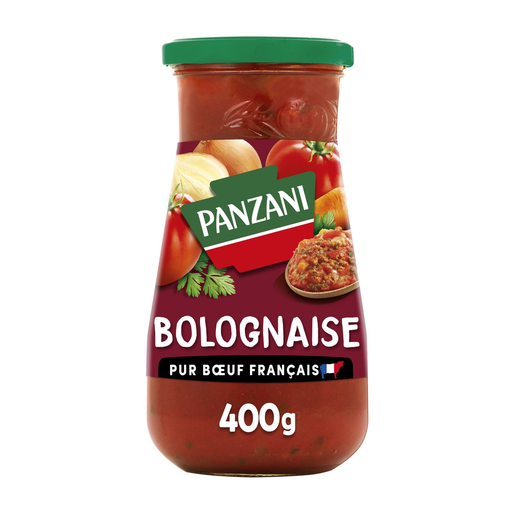 Image unavailable
Panzani Pure Beef bolognese sauce 400 g
A beef sauce to consider if you’d like to serve bolognese with your pasta. It won’t suit a diet that excludes beef. Check the label for its nutritional values and storage instructions after opening.
View on Joybuy
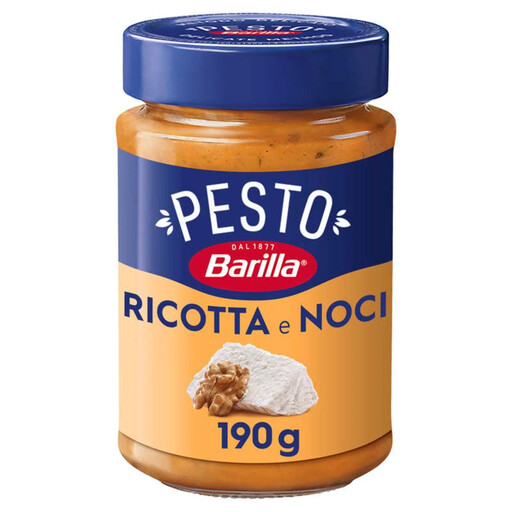 Image unavailable
Barilla Pesto Ricotta & Walnut 190 g
A pesto to consider if you prefer this recipe to bolognese with your pasta. Check the allergens and salt content for the product you buy, as well as its storage instructions after opening.
View on Joybuy
Frequently asked questions
Is the sauce enough to determine how much protein is in my pasta dish?
No. You need to consider the pasta, sauce and any other ingredients in the amounts you serve. Figures per 100 g help you compare products, but 100 g of dried pasta and 100 g of sauce are neither the same portion nor the same product.
What should I look for on the labels of two pasta sauces?
Compare their nutritional values per 100 g, particularly protein, salt, sugars and fat, then check their ingredients lists. The DGCCRF says that giving values per 100 g or 100 ml makes it easier to compare prepacked foods, and that allergens must be clearly highlighted in the ingredients list.
How long can you keep pasta sauce after opening?
Follow the instructions on the jar you bought. Auchan’s listings for Panzani Bolognaise Végétarienne and Pur Bœuf say to keep them in the fridge for three days after opening, but this guidance doesn’t apply to every sauce.
Does salt matter when I’m comparing protein content?
Yes. They’re two separate details to check in each sauce’s nutritional information. Anses lists sauces and condiments among dietary sources of sodium. If your meal also includes cheese or other salty extras, take that into account when choosing a recipe.


