A snack to take with you
Between lessons, work and journeys, an individually wrapped bar is easy to carry. To look beyond the format, check what each bar actually offers.


For a snack to pop in your bag at the start of term, start by looking at individually wrapped cereal bars. If your priority is the protein content per bar around a workout, compare sports bars too, but don’t assume they’re cereal bars. In either case, check the protein per serving, sugars, ingredients and allergens.
Between lessons, work and journeys, an individually wrapped bar is easy to carry. To look beyond the format, check what each bar actually offers.
If protein content is your main priority, compare the grams listed per bar, not just the word ‘protein’. Sports bars and cereal bars don’t necessarily have the same ingredients or nutritional profile.
Check each recipe and flavour. A product described as vegan may contain soya or wheat; other bars may list milk, peanuts or tree nuts.
First, decide what matters most to you: the protein content per bar, a portion that’s easy to carry, a recipe that suits your dietary requirements, or snacks to last you several days.
| Criterion | What to check | Who is it for? |
|---|---|---|
| Protein per bar | Compare the grams of protein per serving, then check the sugars and other nutritional information. | After exercise, I’m mainly looking for a clearly stated amount of protein in the bar I’m going to eat. Around 33% of consumers rank this amount per serving as their top priority. |
| Portable format | Check the weight of each bar, the number of servings and whether they’re individually wrapped. | For a day of lessons or work, I want to be able to pop a portion in my bag and eat it between activities. This is the top priority for around 27% of consumers. |
| Ingredients and allergens | Read the ingredients list, the allergens highlighted and any ‘may contain’ warnings for that particular variant. | If I avoid a particular ingredient or want a plant-based recipe, the ingredients come before the format and protein content. This is the main priority for around 20% of consumers. |
| Snacks for several days | Compare the number of bars in the pack and the nutritional values per serving before choosing a regular option. | When I’m planning several snacks for the week, I want to know how many portions are in the pack and what each one provides. Around 20% of consumers prioritise this repeated use. |
The words ‘high in protein’ don’t tell you how much protein is in the bar you’re going to eat. In the European Union, Regulation (EC) No 1924/2006 allows this claim only for foods where protein provides at least 20% of the energy value.
Compare the grams of protein per bar, then check the sugars and the rest of the nutritional information.
Ingredients vary between products. For example, Carrefour describes the TREK oat bar as vegan, but it contains wheat and soya and warns that it may contain traces of other allergens.
Read the label for the variant you’ve chosen, including any ‘may contain’ warnings, rather than relying on information for another flavour from the same brand.
The protein content alone doesn’t tell you everything about the make-up of a bar or a meal.
Choose a bar and portion that suit you as a snack, without drawing conclusions about your overall diet from the front of the pack alone.
Carrefour offers a Protein Caramel & Almond variety in a pack of four bars, among its range of snacks.
According to Carrefour, the Protein Seeds and Chocolate variety comes in a pack of four 32 g bars and is made with seeds and almonds.
The Max Chocolate Protein Bar is a sports bar rather than a cereal bar for snacking.
Carrefour describes the Biscoff oat bar as vegan and states that each bar contains 9 g of plant protein.
Auchan describes its caramel protein cereal bar as part of a range for sports enthusiasts.
This selection includes sports bars to compare by serving, a protein bar in a pack for snacking on the go, and an oat energy bar. An energy or sports bar shouldn’t automatically be considered a protein cereal bar.
 Image unavailable
An individually wrapped bar to consider if you’re looking for a snack around your workout. Check the protein and sugars per serving on the label. The recipe lists milk, peanuts and soya, as well as polyols.
 Image unavailable
This individually wrapped bar can be compared with other sports bars as a snack after a workout or between activities. Check the values per bar and the ingredients list: the recipe lists milk, soya, almonds and polyols, and may contain traces of other allergens.
 Image unavailable
The pack of ten is handy if you want to keep several bars available for your workouts. Compare the nutritional information per bar and check for milk, soya and possible traces of other allergens. The brand name varies in the information associated with this product, so confirm the name shown on the packaging before ordering.
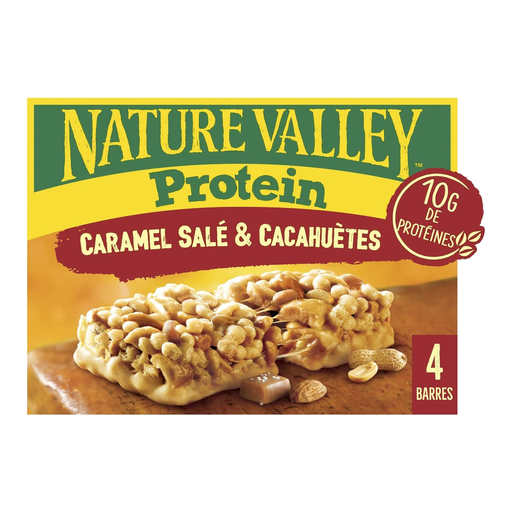 Image unavailable
The pack of four portions makes it easy to plan a snack for busy days at the start of term. Compare the protein and sugars per bar, not per pack. The ingredients include peanuts, soya, milk and almonds.
 Image unavailable
This multipack of energy bars can be useful for planning snacks to take with you, but it isn’t described as a protein cereal bar. Compare the protein and sugars per bar according to your needs. If you avoid dairy, check the packaging: the information about its plant-based ingredients doesn’t match the mention of milk among the allergens.
Under European Union Regulation (EC) No 1924/2006, this claim requires at least 20% of the food’s energy value to come from protein. It doesn’t tell you how many grams of protein are in your portion, so check the nutritional information per bar too.
Start with the weight and protein content of the bar you’ll actually eat, then compare the sugars, energy and ingredients on the same basis. As separate points of reference, E.Leclerc states that the 60 g Eafit Max Chocolate bar contains 25 g of protein, while Carrefour states that the TREK Biscoff bar contains 9 g. These figures don’t tell you everything about their nutritional profiles.
You don’t automatically need a bar after a workout. Anses points out that protein comes from many different foods. When choosing a snack, consider what you already eat and check the serving size and ingredients, rather than treating the bar as a complete meal.
Not necessarily: ‘vegan’ doesn’t mean free from soya, wheat or traces of other allergens. The TREK Biscoff variety featured by Carrefour contains wheat and soya, among other ingredients. Check the ingredients list and any trace warnings for the variant you’re planning to buy.