Who are these bars for?

Cyclists who need to avoid gluten

A ‘gluten-free’ label can help you choose a bar to take with you, but you’ll still need to check for other allergens and the exact recipe. For people with coeliac disease, ameli.fr advises following a strict gluten-free diet.

Cyclists avoiding milk or lactose

A gluten-free bar isn’t necessarily lactose-free or free from dairy ingredients. Check whether you need to avoid lactose or milk, then look separately at soya and nuts if you need to avoid those too.

Cyclists looking for a snack before or after a ride

If you choose a bar for its protein content before or after cycling, still check the carbohydrates per serving before planning to use it as fuel during your ride.

What should you check first?

First rule out any recipes that aren’t suitable for your dietary requirements, then compare the amounts per bar based on when you plan to eat it.

What matters to you What to check Who this is for
Gluten and other allergens Check for a ‘gluten-free’ label, allergens highlighted in the ingredients list and any warnings about traces, based on the ingredients you need to avoid. If I need to strictly avoid gluten or another allergen, the product range name alone isn’t enough to make sure I’m choosing safely. Around 31% of consumers put this first.
Milk or lactose Check the difference between ‘lactose-free’ and ‘milk-free’; also look at the protein source and the exact recipe. I might be looking for a lactose-free recipe but still need to check its other ingredients, particularly soya. For around 19% of consumers, avoiding milk or lactose is the priority.
Carbohydrates during a ride Compare the carbohydrates per bar and add them to the amount in any other food or drinks you’re taking with you. On a longer ride, I want to know how each bar contributes to my fuelling, rather than relying on its protein content. This is the main priority for around 31% of consumers.
Protein before or after a ride Check the protein and carbohydrate content per serving, as well as the ingredients list if you’re considering a fortified product. For a snack eaten away from the bike, I’m most interested in its protein content, but I won’t assume the bar is also suitable during a ride. Around 19% of consumers prioritise this use.

Common pitfalls to avoid

  • Assuming ‘gluten-free’ means ‘allergen-free’

    Bars labelled ‘gluten-free’ may still contain milk, soya, peanuts or almonds, depending on the product. The DGCCRF states that allergens must be highlighted on the labels of prepacked foods.

    Use the ‘gluten-free’ label as a first filter, then check the ingredients and any warnings about traces for each ingredient you need to avoid.

  • Relying on protein content to plan your fuelling

    A review published in Nederlands Tijdschrift voor Geneeskunde cites 30 to 60 g of carbohydrates per hour for intense exercise lasting 1 to 2.5 hours. The Nature Valley Protein salted caramel and peanuts bar lists 10.4 g of carbohydrates per 40 g bar, so one bar alone won’t meet that guideline.

    Calculate the carbohydrates from everything you plan to eat during your ride, taking into account the portions you’ll actually be carrying.

  • Assuming the same flavour means the same recipe

    Auchan lists a gluten- and lactose-free FEED chocolate bar, while a FEED chocolate bar on Joybuy is listed as containing gluten and milk. The brand and flavour alone don’t make these bars interchangeable.

    Before buying the same product again, compare the ingredients, allergens and weight, as well as the EAN code if it’s shown on the packaging.

  • Assuming a fortified sports product is essential

    Anses cautions against assuming that a normal diet is always insufficient to meet sporting goals, and highlights risks associated with certain supplements and fortified foods for athletes.

    Before planning to use a product regularly, check whether it’s a food bar, a fortified product or a supplement. If you’re taking medication or have concerns about this type of product, seek professional advice.

Brands and products to know

FEED

FEED meal bars don’t all meet the same dietary requirements, so the exact product matters more than the brand alone.

  • Auchan lists a 100 g chocolate meal bar as gluten- and lactose-free, with 34 g of carbohydrates and 23 g of protein per 100 g.
  • This product contains soya. A FEED chocolate bar listed on Joybuy, meanwhile, contains gluten and milk. Don’t assume the details for one recipe apply to another.

Nature Valley Protein

Some varieties of these protein cereal bars are labelled ‘gluten-free’; the other allergens vary by recipe.

  • The salted caramel and peanuts bar listed on Joybuy contains 10.4 g of protein and 10.4 g of carbohydrates per 40 g bar.
  • This product also contains peanuts, soya, milk and almonds. ‘Gluten-free’ doesn’t mean it’s suitable if you need to avoid these ingredients.

Eat Natural

Auchan lists a gluten-free protein cereal bar with peanuts, almonds, caramel and sea salt.

  • The product contains 8.6 g of protein and 12.6 g of carbohydrates per 40 g bar.
  • Its ingredients include peanuts, soya, milk and almonds.

Eafit

You can check the ingredients in the chocolate protein bar listed by E.Leclerc, but don’t assume it’s suitable for any particular dietary requirement.

  • Its product listing states 34 g of protein and 15 g of carbohydrates per 100 g.
  • Its ingredients include milk proteins, whey and soya lecithin. Don’t choose it just because you’re looking for a ‘free from’ product.

Bars available on Joybuy

These protein bars come in packs of four, making them a handy snack to take cycling. Check the ingredients and allergens for each one before adding it to your ride fuel.
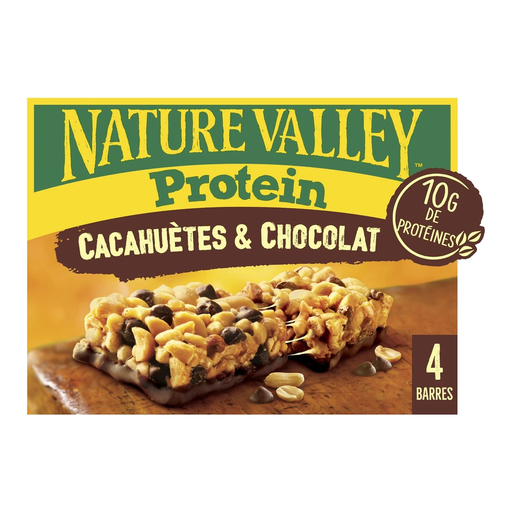
N/VALLEY protein bars, pack of 4 × 40 g

N/VALLEY Protein Bar, 4 × 40 g

This pack of four 40 g bars could be part of your selection of snacks to take with you. If you need to avoid gluten, milk, soya or peanuts, check the ingredients and any warnings about traces on the packaging for this product before choosing it.

View on Joybuy
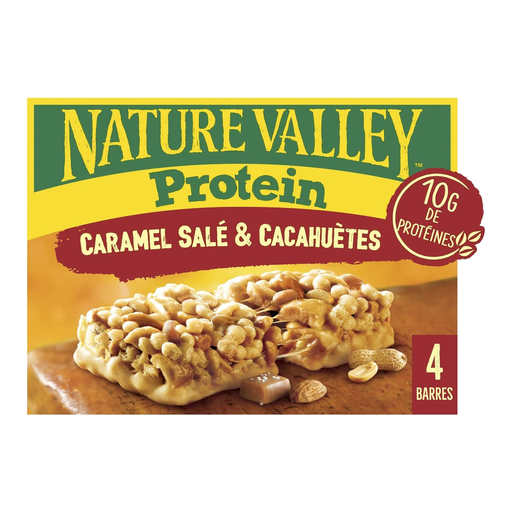
Nature Valley Protein salted caramel and peanuts bars, pack of 4 × 40 g

Nature Valley Protein salted caramel and peanuts, 4 × 40 g

This product could be a handy snack if its ingredients are suitable for your dietary requirements. According to its Joybuy listing, each 40 g bar contains 10.4 g of carbohydrates and 10.4 g of protein. It also contains peanuts, soya, milk and almonds. For a longer ride, add its carbohydrates to those in the other products you’re planning to take.

View on Joybuy

Frequently asked questions

Is a gluten-free bar also free from other allergens?

No. The Nature Valley Protein salted caramel and peanuts bar listed on Joybuy contains peanuts, soya, milk and almonds, among other ingredients. Check each ingredient you need to avoid separately. The DGCCRF states that allergens must be highlighted on the labels of prepacked foods.

How should I assess a bar for a ride lasting 1 to 2.5 hours?

Check the carbohydrates per serving, then add those from the drinks and other food you’re planning to take. A review published in Nederlands Tijdschrift voor Geneeskunde cites 30 to 60 g of carbohydrates per hour for intense exercise of this duration. A bar containing 10.4 g of carbohydrates won’t provide that hourly amount on its own.

Do two FEED chocolate bars necessarily have the same ingredients?

No. Auchan lists a gluten- and lactose-free chocolate version, while a FEED chocolate bar on Joybuy is listed as containing gluten and milk. Compare the ingredients and allergens for the version you’re buying, along with its EAN code if available.

Do you need a high-protein bar after cycling?

Not necessarily: whether it’s useful depends on the rest of your diet and how you plan to use it. Anses cautions against assuming that a normal diet is always insufficient to meet sporting goals, particularly when choosing fortified foods or supplements.