People keeping an eye on salt in their meal
You compare the pasta, but also the salt added to the cooking water, sauce and toppings.


When choosing pasta for a meal where you want more protein without overlooking salt, compare the two values per 100 g on the pack, then consider the cooking water, sauce and toppings. Enriched pasta serves a different purpose from wholemeal or classic pasta served with another source of protein. None of these options determines the salt content of the dish on its own.
You compare the pasta, but also the salt added to the cooking water, sauce and toppings.
You want to compare protein per 100 g and per portion, without overlooking salt or the ingredients list.
You prefer wholemeal or classic pasta as a base, then choose a separate accompaniment to suit your eating habits.
First decide where you want your protein to come from — the pasta or its accompaniment — then compare the salt in the products and the other ingredients in the dish. The figures printed on packs let you compare pasta as sold, not a whole recipe.
| Criteria | What to check | Who it’s for |
|---|---|---|
| Salt in the meal | The ‘salt’ value per 100 g, then the salt added to the cooking water and sauce. | I want to keep the salt in my dish down without giving up on comparing its protein content; around 42% of consumers prioritise keeping salt in check. |
| Protein in the pasta | Protein per 100 g and the planned portion; the ingredients and allergens in the product. | If pasta needs to provide a larger share of the protein in my meal, its composition matters before the topping; around 33% of consumers prioritise this. |
| Fibre and the make-up of the meal | The ingredients list, fibre and protein per 100 g; the composition of the accompaniment. | I prefer to choose my source of protein in the accompaniment while keeping the option of wholemeal pasta; around 25% of consumers put this flexibility first. |
The amount of protein doesn’t tell you how much salt is in a pasta product.
Compare the ‘protein’ and ‘salt’ figures per 100 g on the label of each product you’re considering.
Salt added to the cooking water, sauce or toppings changes the make-up of the finished dish.
Check the other ingredients in the recipe and decide separately how much salt to add while cooking.
The added sources of protein vary between products and may matter if you have an allergy.
Read the ingredients list and allergen information on the specific pack before buying.
Two ranges to tell apart: Protein+ for comparing protein in pasta, and Integrale for considering a wholemeal option.
Les Protéinées and Complètement Bon! meet different needs; compare specific products rather than relying on the range names alone.
A penne product described as ‘high protein’, with ingredients worth checking carefully.
These pasta options can be used to put together a meal with a protein-rich accompaniment chosen separately. Compare the protein and salt figures on their labels, then consider the sauce and cooking method.
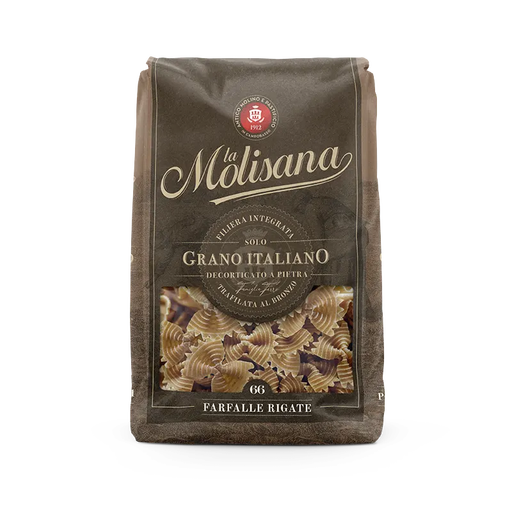 Image unavailable
If you’re looking for farfalle for a meal where you’ll choose your source of protein separately, compare the ‘protein’ and ‘salt’ figures on the pack.
Pack size: 500 g. Check the ingredients too if the pasta’s composition is part of your decision.
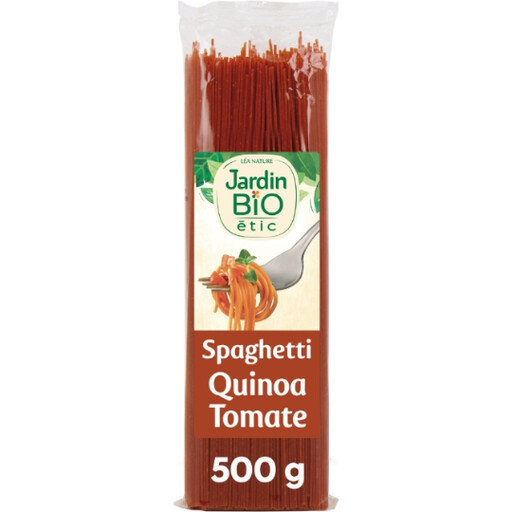 Image unavailable
For a spaghetti dish served with a separately chosen source of protein, check the salt content of the sauce you plan to use as well.
Pack size: 500 g. Quinoa and tomato feature in the product name; check the ingredients list for the exact composition.
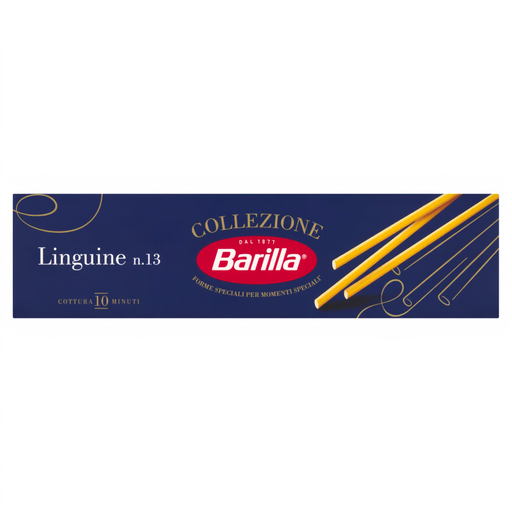 Image unavailable
This linguine can be a good base if you prefer to choose your source of protein from the accompaniment; compare the ‘protein’ and ‘salt’ values per 100 g.
Pack size: 500 g. Also take into account the salt you’ll add to the cooking water and sauce.
Compare the ‘salt’ value per 100 g in their nutritional information. This gives you the same basis for comparing the pasta as sold. Then check what the cooking method and recipe will add to the dish.
No: the figure on the pack doesn’t include any salt you add afterwards. Barilla’s Spaghetti Integrale product information states 0.013 g of salt per 100 g of pasta, while the brand suggests adding 7 g of salt when cooking 100 g of pasta. The sauce and toppings matter too.
Not necessarily: protein can also come from the accompaniment. If you’re comparing enriched pasta with classic or wholemeal pasta, check the protein per 100 g, the portion you plan to eat, the salt and the ingredients of each product.
Read the ingredients and allergen information for the specific product, as recipes vary. Carrefour SENSATION’s penne product information lists durum wheat and 12% powdered egg white, and states that it may contain traces of soya and mustard.