
Livraison le jour même ou le lendemain

Qualité garantie

Débloquez vos offres de bienvenue: Livraison GRATUITE | Jusqu'à -80 % | 30 jours d'essai gratuits à JoyPlus
Téléchargez l'application
Protein bars, whey and ready-to-drink shakes: the choice has never been wider. But attractive packaging alone does not guarantee that a product will suit your diet, training routine or digestion. To make an informed choice, it is best to take a close look at the nutritional values, ingredients and format.
A bar may boast an impressive protein content while also being high in fat, carbohydrates or polyols. Similarly, “no added sugars” does not mean “carbohydrate-free”. Sweeteners such as maltitol can also be difficult to tolerate when consumed in large quantities.
Always check the nutritional values per serving, not just those given per 100 g. A 40 to 55 g bar may provide a useful amount of protein, but could also contain nearly 200 kcal.
Whey mixes easily with water or milk and fits well into a post-workout routine. However, it requires a shaker, accurate measuring and somewhere to prepare it. A ready-to-drink protein shake is more convenient when travelling, but takes up more space and may need to be refrigerated after opening.
The best format therefore mainly depends on your daily routine: protein powder at home, an individual sachet at work or a bar to slip into your gym bag.
Milk proteins, soya, peanuts, nuts and gluten: all these allergens should be checked on the label. A “lactose-free” formula can still contain milk proteins. It is therefore not necessarily suitable for people allergic to milk proteins.
For bars containing maltitol, sorbitol or other polyols, it is best to start with a reasonable quantity. In sensitive individuals, these ingredients may cause digestive discomfort.
Compare the quantities you will actually consume. A protein bar generally provides between 10 and 18 g of protein, while a serving of whey or a protein shake may contain up to 24 g. This information helps distinguish between a snack that is simply fortified and a supplement intended to make a significant contribution to your daily intake.
As part of a balanced diet and regular physical activity, protein contributes to the maintenance of muscle mass. It does not replace meals, hydration or rest.
If you are looking for a low-sugar protein product, check the “of which sugars”, “polyols” and “carbohydrates” lines separately. A bar may contain little sugar while still having a high polyol content. Also remember to check the energy content: a low-sugar product is not necessarily low in calories.
For example, the 55 g nu3 Fit Protein Bar Salted Caramel lists 17.6 g of protein, 2.3 g of sugars and 189 kcal per bar. Its ingredients include maltitol and steviol, as well as milk, soya and almonds.
Derived from milk, whey is most commonly available as a concentrate, isolate or blend. Individual sachets make measuring and carrying the powder easier. A protein shake or milkshake can be consumed straight away, while a bar requires no preparation.
People with specific nutritional needs should not choose a medical protein product as though it were an ordinary sports nutrition supplement. Health, age, medication and overall dietary intake should be considered with a healthcare professional.
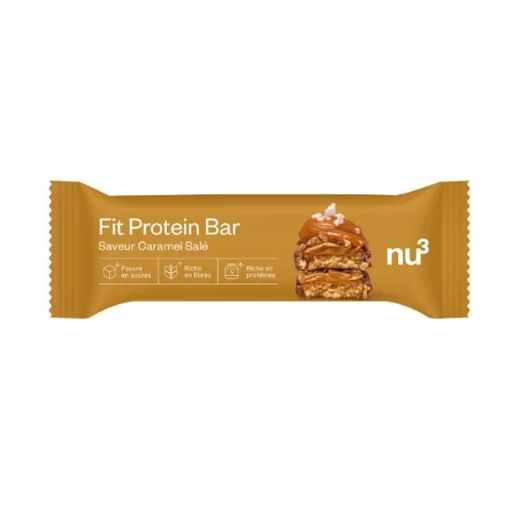
Why this choice suits this profile: An individual portion, ready to eat and ideal for discovering protein snacks between meals or after a workout.
The nutritional values are given per bar: 17.6 g of protein, 2.3 g of sugars and 189 kcal. However, its polyol content should still be taken into account.
A 55 g format, 32 g of protein per 100 g and fibre. Contains milk, soya and almonds.
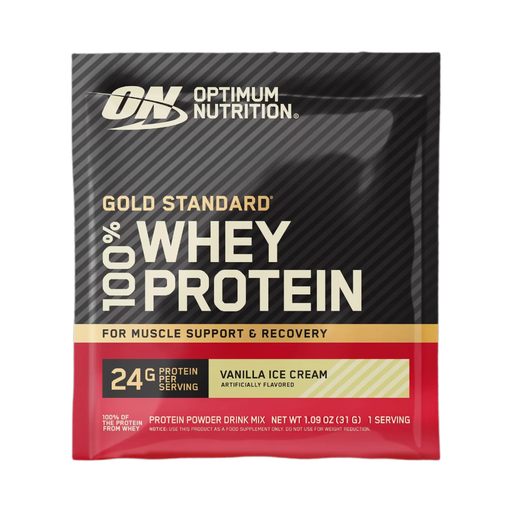
Why this choice suits this profile: The individual 31 g sachets make measuring easy and allow you to take your protein powder with you, particularly for regular training sessions.
Each serving provides 24 g of protein, 1 g of sugars and approximately 120 kcal. The ingredients list mentions milk proteins and soya: check carefully in the event of an allergy.
24 sachets of 31 g, to be mixed with 180 to 240 ml of water or milk, and 5.5 g of naturally occurring BCAA per serving.
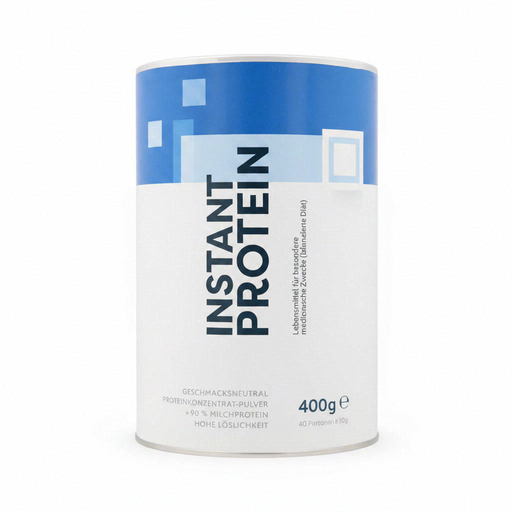
Why this choice suits this profile: This unflavoured powder is used to fortify food or drinks when specific nutritional needs have been identified.
This product is not presented as a simple snack: the packaging states that it is a food for special medical purposes, to be used under medical supervision where necessary.
The product information states 91 g of protein per 100 g, a low lactose content and suitability for use in hot preparations up to 70 °C.
For a shaker-free option when you are out and about, the Barebells High Protein Milkshake provides 24 g of protein per 330 ml bottle. The banana, strawberry, vanilla and chocolate flavours are described as lactose-free and with no added sugars, but they do contain milk. They may therefore suit some people with lactose intolerance, but not those allergic to milk proteins.
We have brought together a complete, real-time updated selection of products that meet these demanding criteria and European safety rules.
You can consume it after training, at breakfast or as a snack, depending on your dietary intake and routine. The exact timing matters less than maintaining a consistent diet and consuming the right total amount of protein throughout the day.
Whey is a powder that needs to be mixed and is generally easy to store and measure. A protein shake is ready to drink and convenient to take with you, but its volume, price per serving and storage requirements may be less favourable.
A protein bar or milkshake is primarily intended as a snack. To replace a meal, a protein meal replacement must have a nutritional composition designed for this purpose. Medical protein products, meanwhile, are reserved for specific situations and must be used in accordance with the packaging instructions and, where necessary, the recommendations of a healthcare professional.