
Livraison le jour même ou le lendemain

Qualité garantie

Débloquez vos offres de bienvenue: Livraison GRATUITE | Jusqu'à -80 % | 30 jours d'essai gratuits à JoyPlus
Téléchargez l'application
Between the promises of rapid recovery, the "sugar-free" recipes and the on-the-go formats, choosing protein products can quickly become a headache. A protein drink isn't consumed in the same way as a protein powder, and a soya drink doesn't necessarily have the same content as a high-protein milkshake.
To avoid disappointing purchases, make sure you compare the nutritional values, the protein source and the format. Here are the criteria to run through before choosing a solution for sports nutrition, a snack or post-workout recovery.
Terms like "sport", "performance" or "recovery" aren't enough to objectively compare two products. Look first at the amount of protein per serving, rather than just the percentage stated for 100 g or 100 ml.
A serving of powder can provide more than 20 g of protein, whereas a standard plant-based drink often hovers around 2 to 3 g per 100 ml. Both products can be relevant, but they clearly don't serve the same purpose.
A lactose-free protein can absolutely contain milk proteins. This is particularly the case with some milkshakes that have had lactase added. Anyone allergic to milk proteins must therefore check the ingredients and allergens list, without stopping at the "lactose-free" claim.
Conversely, a vegan protein based on soya isn't suitable for people with a soya allergy. In every case, a careful look at the labelling is essential.
A large tub of protein can be good value for regular consumption, but it needs a dry place and must be sealed properly after each use. A ready-to-drink shake is more convenient on the go, but it generally works out more expensive per serving.
Also check the instructions after opening, whether the product needs to be kept in the fridge, and the best-before date on the packaging.
To compare several products properly, start from the same basis:
For example, the information provided for Barebells milkshakes states 24 g of protein per 330 ml bottle, while Andros Sport Protein drinks show 10 g per 120 g serving. These figures are far more telling than a vague promise of supporting muscle recovery.
Whey protein comes from milk. It is generally available as a concentrate, isolate or hydrolysate. A formula that combines several sources can alter the texture, solubility and nutritional profile of the product.
Soya-based products can fit into a vegetarian or vegan diet, depending on the complete composition of the recipe. However, some plant-based drinks also contain sugar, barley or other grains. V-Soy Multi-Grain, for example, lists soya and barley among its allergens.
Always check the "contains" and "may contain traces of" statements. This check is particularly important for milk, soya, peanuts, nuts, gluten and eggs.
A protein shaker works well with powder, but you need to have water or milk on hand, and then clean it after use. A ready-to-drink shake slips more easily into a bag, while individual sachets let you measure the powder without getting the scales out.
For post-workout consumption, choose a format you can actually have at the right time. The best product on paper is pointless if it's bulky, difficult to mix or doesn't fit your habits.
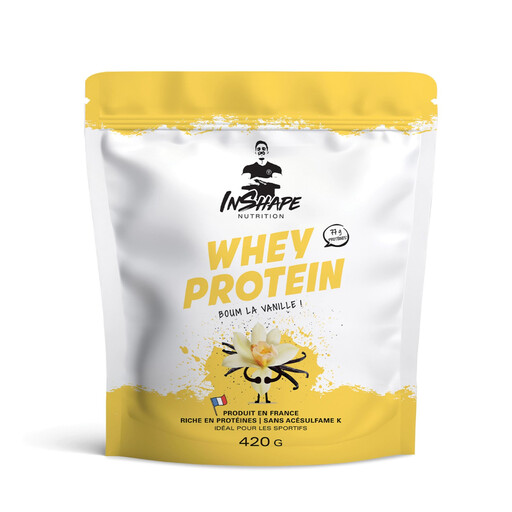
Why this choice suits this profile: At 420 g, this size lets you try a protein powder without committing to a large tub straight away. According to the information provided, a serving of around 30 g provides 23.1 g of protein.
The content is stated per serving and preparation is simple with water or milk, making for a clear comparison.
Vanilla flavour, 23.1 g of protein per serving and manufactured in France.
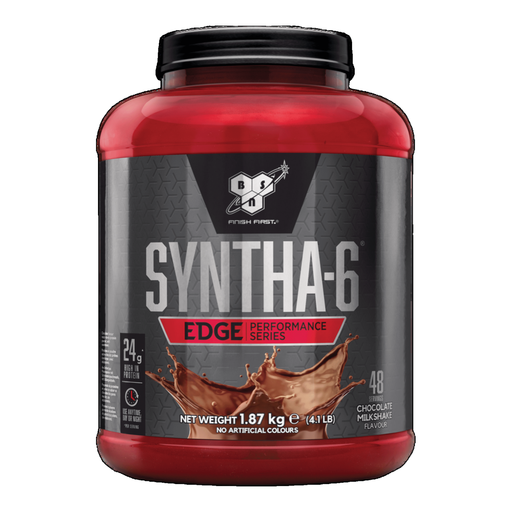
Why this choice suits this profile: This formula combines several milk proteins and provides 24 g of protein per serving. Its large size is aimed at those who want to make a shake a regular part of their routine.
The product page details the composition, recommended dosage and the presence of milk and soya, rather than relegating this information to the background.
24 g of protein per serving, blend of whey and casein proteins, chocolate flavour.
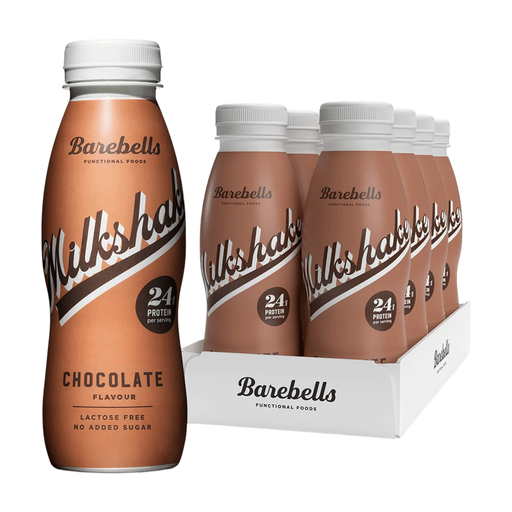
Why this choice suits this profile: Ready to drink, this format is ideal for active adults who are often on the move or don't want to get their shaker out after training.
The amount of protein is given per bottle and the recipe is stated as lactose-free and with no added sugars. However, milk is still listed in the ingredients.
24 g of protein per 330 ml bottle, pack of eight bottles and ready for immediate consumption.
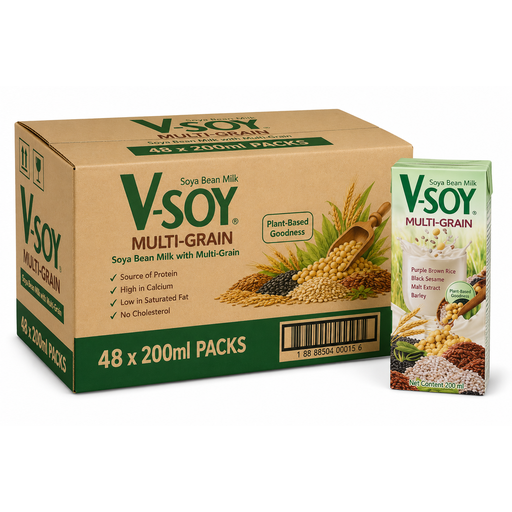
Why this choice suits this profile: The individual cartons are easy to store at home, in the office or in a family's cupboards. This plant-based drink is an alternative to milk, but shouldn't be mistaken for a highly concentrated powder.
The product page clearly states 2.7 g of protein and 8.2 g of sugars per 100 ml, as well as the presence of soya and barley.
200 ml format, soya and grain recipe, long shelf life before opening.
We've put together a comprehensive list, updated in real time, of products that meet these demanding selection criteria and European safety regulations.
There's no universal amount. Consider your usual diet, how often you exercise and the recommendations on the label. For some powders and drinks designed for sports nutrition, a serving of 20 to 24 g is common, but a supplement never replaces a varied diet.
Generally, no. Standard soya drinks often provide just a few grams of protein per 100 ml, whereas whey powder is significantly more concentrated per serving. The right choice therefore depends on the use: an everyday plant-based drink, a snack or a targeted intake around physical activity.
Follow the instructions on the packaging. Several products need to be kept in the fridge and consumed within 24 hours of opening. A powder must be carefully sealed and stored in a dry, cool place away from light. Always check the date and storage conditions printed on the product.