
Livraison le jour même ou le lendemain

Qualité garantie

Débloquez vos offres de bienvenue: Livraison GRATUITE | Jusqu'à -80 % | 30 jours d'essai gratuits à JoyPlus
Téléchargez l'application
Between whey protein, casein, products designed for athletes and whole milk powder, it is not always easy to know which option to choose. A very high-protein powder will not necessarily suit your routine, budget or digestion.
Before ordering protein powder, pay particular attention to the amount actually provided per serving, the ingredients and the format available. These simple checks can help you avoid impractical purchases — or tubs that end up at the back of a cupboard.
A high-protein milk powder may contain around 25 to 26 g of protein per 100 g. It also provides fat, carbohydrates and the sugars naturally present in milk. It is suitable for making a drink, cooking or baking, but it cannot be compared directly with a concentrated whey product.
Whey protein intended for bodybuilding generally contains between 74 and 79 g of protein per 100 g. It is usually consumed in a shaker or as a snack, with a serving of around 28 to 33 g.
Phrases such as “ fast absorption ”, “ advanced formula ” or “ rich in amino acids ” are no substitute for reading the nutrition table. Instead, compare:
Nutrition and health claims must be understood within the framework of European regulations. Protein contributes to the maintenance and growth of muscle mass as part of a suitable diet, but powder is not a substitute for a varied diet.
A large bag often reduces the price per serving, but it takes up more space and must be stored carefully. Protein in individual sachets is convenient at work, when travelling or in a gym bag, but usually costs more per serving.
For your first order, a 400 to 450 g format allows you to test the flavour, mixability and digestive tolerance before moving on to a 2 kg pack.
To compare two products, start by looking at the value per 100 g, then relate it to the serving you will actually consume. For example, a whey product containing 79 g of protein per 100 g provides around 24 g in a 30 g serving. With 74 g per 100 g, another formula will provide around 22.2 g for the same quantity.
This information is particularly useful when choosing protein powder for bodybuilding or a formula intended for sports recovery. It allows you to compare products on an equal basis, without being swayed by the size of the tub or the advertised number of servings.
Check the net weight, best-before date, storage instructions and the container’s closure system. Powder is generally best stored in a cool, dry place away from light.
The products featured here contain milk. Several also indicate the presence of soya or possible traces of other allergens. If you have an allergy or intolerance, are pregnant, undergoing medical treatment or have particular nutritional needs, seek advice from a healthcare professional. Nestlé Instant Resource Protein 400 g, intended for the dietary management of malnutrition or the risk of malnutrition, should in particular be used under medical supervision where necessary.
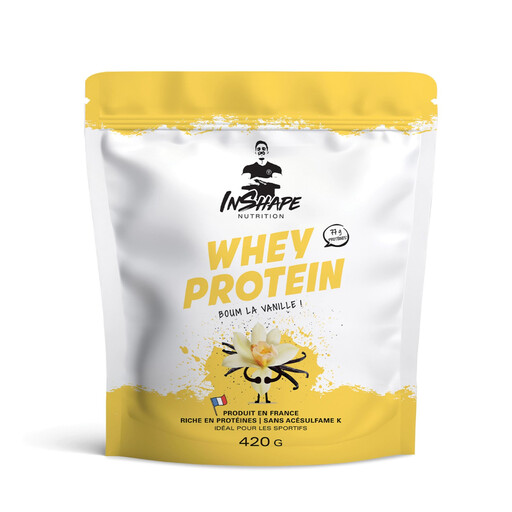
Why this choice suits this profile: At 420 g, this format lets you try a vanilla whey without committing to a large bag straight away. According to the product information, a 30 g serving provides 23.1 g of protein.
The amount per serving and the values per 100 g are clearly stated, making it easier to compare with other protein powders.
23.1 g of protein per serving, 1.3 g of fat, and can be prepared with water or milk.
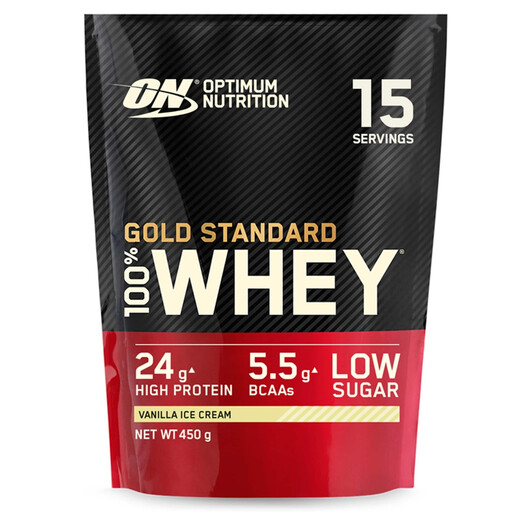
Why this choice suits this profile: This product combines whey isolate, concentrate and hydrolysed isolate, providing 24 g of protein per serving of around 30 g.
The table clearly distinguishes protein, carbohydrates, sugars and fat per serving, rather than highlighting a single figure.
24 g of protein, 1.2 g of carbohydrates and 0.9 g of sugars per serving, according to the information provided.
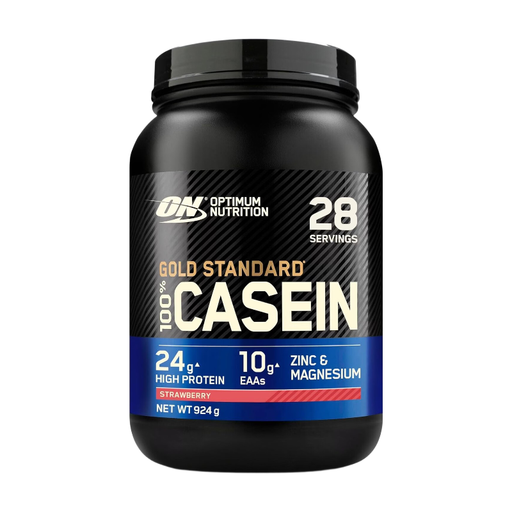
Why this choice suits this profile: Micellar casein is suitable for those who want to vary their protein sources and prepare a serving for the evening or add it to recipes.
The product information specifies that this is casein, not a fast-absorbing whey. It is therefore better suited to those looking for more gradual digestion.
24 g of protein and 0.6 g of fat per 33 g serving, in a 924 g pack.
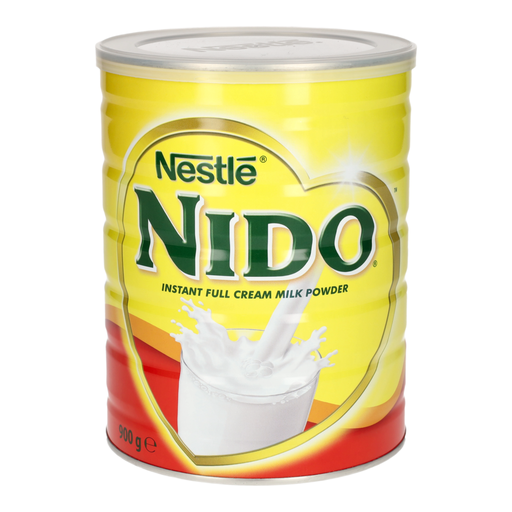
Why this choice suits this profile: This instant milk powder is designed for everyday consumption, cooking and baking, rather than solely for sports recovery.
Its nutritional values confirm that it is whole milk: 28.2 g of fat and 25.7 g of protein per 100 g.
A 900 g tin, powder made up of 99.70% milk, and storage in a cool, dry place after opening.
We have put together a complete, real-time-updated list of products that meet these demanding selection criteria and European safety requirements.
Follow the serving size indicated on the label and adjust it according to your overall diet. Whey can be mixed with 180 to 240 ml of water or milk. Casein sometimes requires a little more liquid to achieve a smooth consistency.
Reseal the sachet or tin after each use. Protect the powder from moisture, heat and direct sunlight. If you use protein in individual sachets, keep each serving sealed until you are ready to prepare it. Once mixed, the drink should be consumed promptly and should not be left at room temperature for several hours.
Whey is a milk-derived protein valued for its quick preparation and smooth texture. Micellar casein generally produces a thicker preparation and is sought after for its more gradual digestion. The right choice depends on your habits, diet and when you want to consume the product.
Follow the date shown on the packaging and the manufacturer’s instructions. Storing it in a dry place, in a tightly closed container and away from heat, helps prevent it from absorbing moisture. If the powder changes in smell, appearance or texture, it is best not to consume it.
No. It can supplement your daily intake when meals are not enough or when you need a quick solution, but it is not essential. A varied diet remains the foundation.
For older people, those who are frail or anyone at risk of malnutrition, the choice of a specific powder should be discussed with a healthcare professional.