
Livraison le jour même ou le lendemain

Qualité garantie

Débloquez vos offres de bienvenue: Livraison GRATUITE | Jusqu'à -80 % | 30 jours d'essai gratuits à JoyPlus
Téléchargez l'application
Looking for a protein powder to supplement your diet, but find that the labels often start to look the same? Between promises of rapid absorption, prominently displayed BCAA levels and XXL formats, it is easy to pay more for marketing than for a formula that genuinely suits your needs.
Whether you are considering whey protein, casein or plant-based protein, three mistakes come up regularly:
Protein intended for bodybuilding or muscle recovery can be convenient after a workout, at breakfast or between meals. However, it remains a protein food supplement, not a substitute for a varied diet.
Start by comparing the amount of protein in the recommended serving, then calculate it per 100 g. The products in this selection generally provide between 21 and 24 g of protein per serving, for serving sizes of approximately 28 to 33 g.
This method prevents you from comparing a powder with a 30 g serving directly with another with a 40 g serving without taking the difference in quantity into account. Also check the levels of sugars, fat, carbohydrates and salt, particularly if you consume protein powder every day.
Whey protein comes from milk and is generally mixed with water or milk in a shaker. A whey isolate formula often has a high proportion of protein, while whey concentrate retains more of the components that naturally occur in milk.
Micellar casein also comes from milk, but its texture and digestion rate are different. It is often preferred in the evening or between meals when you are looking for a more gradual protein intake.
Plant-based protein, made from sources such as peas and rice, is suitable for people following a plant-based diet. Before ordering, check the ingredients, allergens and any possible traces.
A larger pack can reduce the unit price, but it requires a bigger upfront budget and more storage space. For a first order, a 400 to 800 g format lets you try the texture and flavour without committing to a large bag straight away.
Vanilla protein is easy to add to porridge, coffee or a smoothie. Chocolate protein is better suited to indulgent recipes, but cocoa and flavourings can affect the nutritional values. Compare the cost per serving rather than just the displayed price.
Also check how it is prepared: the recommended amount of water, whether a scoop is included and how easy it is to mix. Individual sachets are particularly convenient at work, when travelling or in a gym bag.
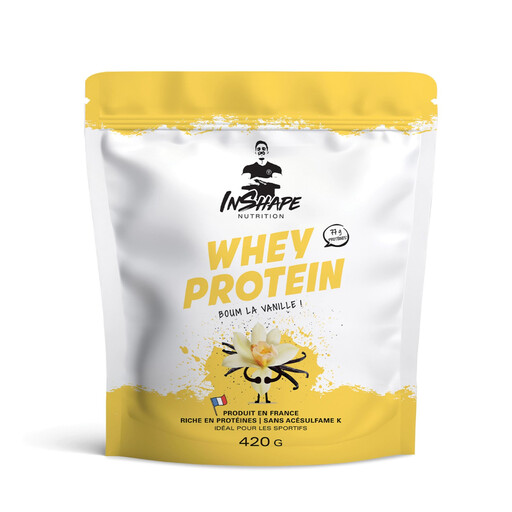
Why this choice suits this profile : At 420 g, this format lets you try vanilla whey without buying a large bag straight away. A 30 g serving provides 23.1 g of protein.
The amount per serving, along with the sugar and fat values, is clearly stated. This makes it easier to compare with other products.
23.1 g of protein, 1.3 g of fat and 2.6 g of sugar per 30 g serving. Mixes with 200 ml of water or milk.
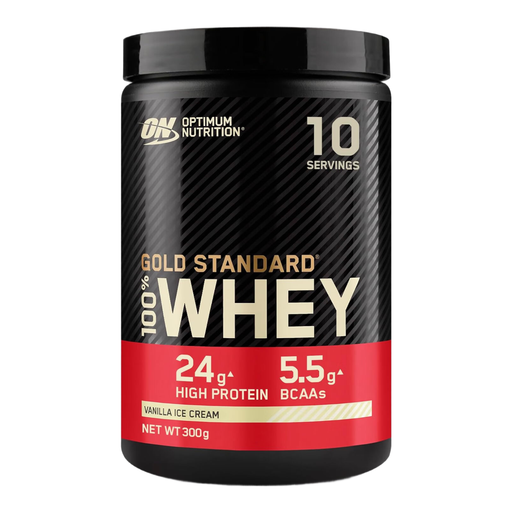
Why this choice suits this profile : This compact format is aimed at those looking for a well-regarded whey product that is easy to store in the kitchen or near their training area.
The stated serving size makes it quick to check the proportion of protein without focusing solely on advertising claims.
24 g of protein per 30 g serving, approximately 113 kcal and 1 g of sugar according to the information provided.
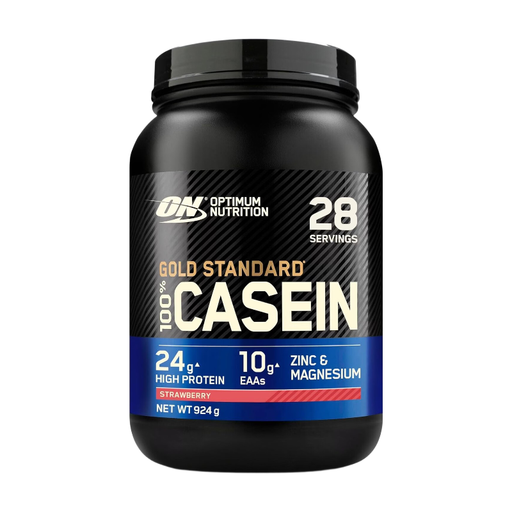
Why this choice suits this profile : This micellar casein provides a way to vary your protein sources and is suitable for those who prefer a thicker preparation in the evening or between meals.
The protein source is clearly identified as micellar casein. There is no risk of confusing it with faster-absorbing whey.
24 g of protein per 33 g serving, 0.6 g of fat and 1.4 g of sugar. Contains milk.
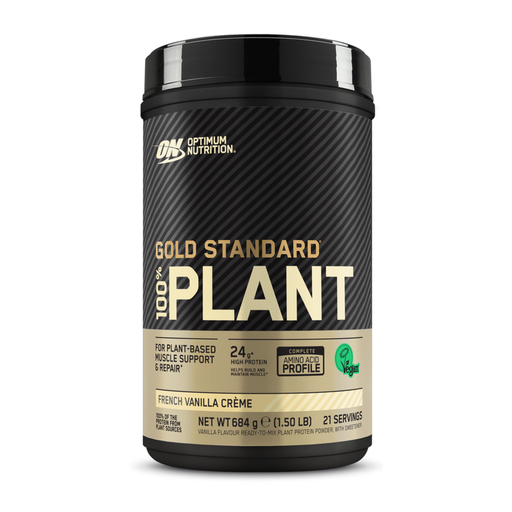
Why this choice suits this profile : This powder combines pea and rice proteins. It is suitable for people looking for a formula with no declared dairy ingredients.
The different protein sources are listed in detail, making it easier to check whether the product is compatible with a plant-based diet.
24 g of protein per 32 g serving, with a blend of pea and rice proteins, plus 1.7 g of fibre per serving.
We have brought together a complete, real-time updated selection of products that meet these demanding criteria while complying with European safety regulations.
Follow the serving size stated on the packaging and use scales if you want to track your intake accurately. Mix the powder with the recommended amount of liquid to achieve a smooth texture. A shaker makes preparation easier, but a glass and spoon may be sufficient for some individual sachets.
Keep the product tightly sealed in a cool, dry place away from light. Check the best-before date, batch number and list of allergens. Food supplements are not a substitute for a varied diet or a healthy lifestyle. If you are pregnant, taking medication, have a known medical condition or are unsure about your tolerance of an ingredient, seek advice from a healthcare professional.
It can be consumed after training, between meals or at any other time of day, depending on your eating habits. The exact timing matters less than keeping your protein intake consistent and maintaining an overall balanced diet.
Follow the date shown on the packaging. Once opened, keep the sachet or tub carefully sealed in a dry place away from moisture. Powder with an unusual smell, colour or texture should not be consumed.
It can be an alternative depending on your dietary preferences and tolerance. Compare its protein content per serving, ingredients, allergens and texture. Pea and rice blends are common in plant-based formulas.