
Livraison le jour même ou le lendemain

Qualité garantie

Débloquez vos offres de bienvenue: Livraison GRATUITE | Jusqu'à -80 % | 30 jours d'essai gratuits à JoyPlus
Téléchargez l'application
Protein powder can make it easier to get your daily protein after a workout, between meals or during a busy day. But not all powders are equal, and they do not meet the same needs. A whey protein designed for strength training is, for example, entirely different from an instant cocoa powder or a chocolate drink powder.
Before placing your order, it is best to avoid three common misconceptions:
The serving recommended by the manufacturer shows you how to use the product. However, to compare different products fairly, the value per 100 g is still the most useful figure. Whey generally provides around 22 to 24 g of protein per 28 to 31 g serving, whereas classic chocolate powder may contain as little as 4 or 5 g of protein per 100 g.
You should also check:
A low-sugar protein powder may be suitable if you want to limit added carbohydrates. However, bear in mind that “low sugar” does not mean “sweetener-free”. To find out what the formula really contains, read the ingredients list.
Whey protein comes from milk. It is usually mixed with water, milk or a plant-based drink. Whey isolate contains a high proportion of whey protein isolate. It is often preferred by consumers looking for a formula that is high in protein and low in carbohydrates and fat.
Micellar casein is a dairy protein that is digested more gradually. It can be useful in the evening or between meals, depending on your habits and diet. It does not replace a balanced meal: its value depends above all on your total protein intake.
If you are sensitive to certain allergens, check whether the product contains milk, soya, egg, gluten or nuts. The recipe may vary from one flavour to another, sometimes even within the same range.
A large tub can sometimes reduce the cost per serving, but it is mainly aimed at people who consume this type of product regularly. For travelling, individual sachets are easier to measure and carry. A protein shaker allows you to prepare a drink quickly, although a glass and a spoon may be enough for some instant formulas.
Always follow the serving size stated on the packaging. Protein powder is still a supplement: it should form part of a varied diet and should not replace meals. If you are pregnant or breastfeeding, taking medication or have a health condition, seek advice from a healthcare professional.
The products shown below are not intended for the same purpose. This comparison is based on the composition and usage information provided for each product.
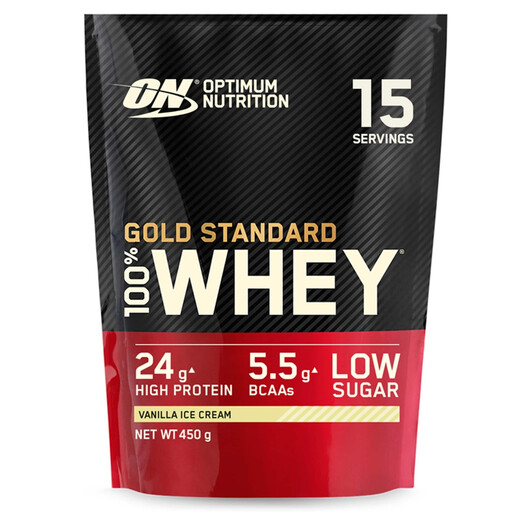
Why this product suits this profile : At 450 g, this whey allows you to try the formula without committing to a large pack straight away. According to the product information, each serving of around 30 g provides 24 g of protein and 0.9 g of sugar.
The protein content per serving is clearly stated. This means you cannot confuse the total packet weight with the amount of protein actually provided.
Blend of whey isolate, concentrate and hydrolysed whey; 450 g pack; vanilla flavour; contains milk and soya lecithin.
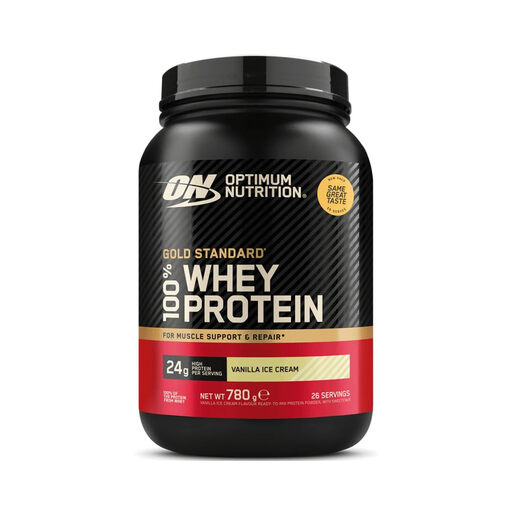
Why this product suits this profile : The 780 g pack is suitable for regular users who want to take protein after training or between meals.
The product information states that each 30 g serving contains 23.7 g of protein and clearly distinguishes the protein blend from the other ingredients.
Approximately 79 g of protein per 100 g; 1.3 g of fat per serving; mix with 180 to 240 ml of liquid.
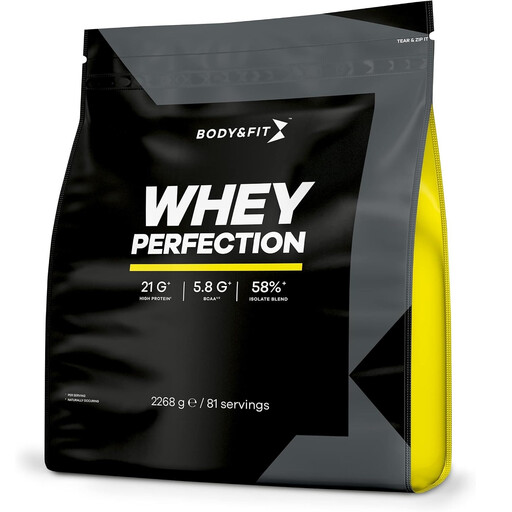
Why this product suits this profile : This large pack is aimed at people who regularly consume whey at home, particularly those doing strength training and taking several servings a week.
The values are given for a 28 g serving: 22 g of protein, 1.5 g of sugar and 1.6 g of fat. The stated pack size contains approximately 81 servings.
Blend of whey isolate, concentrate and hydrolysate; stated low sugar and fat content; cookies and cream flavour.
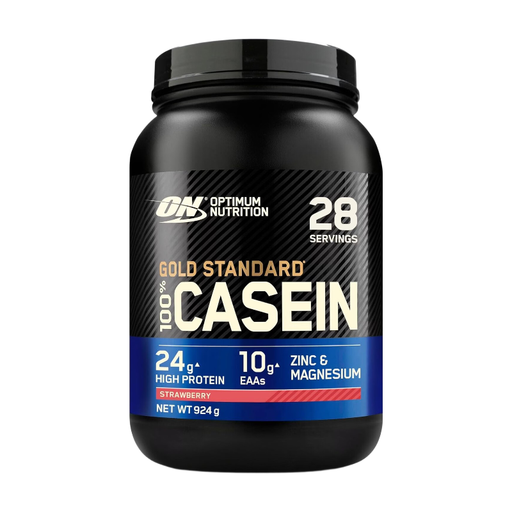
Why this product suits this profile : This micellar casein is aimed at people looking for a protein that is digested gradually, for example in the evening or when there is a particularly long gap between meals.
The product information specifies that this is micellar casein, not fast-absorbing whey. It therefore meets a different need rather than making a one-size-fits-all promise.
24 g of protein per 33 g serving; 0.6 g of fat; 88% micellar casein according to the stated composition.
For making a chocolate drink for the whole family, an instant cocoa powder may be more suitable than whey. Nesquik Original Chocolate Powder 300 g contains 23% cocoa and 75 g of sugar per 100 g of powder. BENCO Original Chocolate Powder Granules 800 g also has a high sugar content, with 78 g per 100 g. These products are designed to flavour milk, not to provide as much protein as whey.
Designed for hot drinks, desserts and baking, VAN HOUTEN VH1F Cocoa powder 14.7% 1 kg is presented as a cocoa powder providing approximately 20 g of protein and 1.5 g of sugar per 100 g. Its composition and intended use nevertheless remain very different from those of a supplement designed for strength training. Check the label of the product you receive before using it, particularly to identify allergens and preparation instructions.
We have put together a complete, real-time updated list of products that fully meet these demanding selection criteria and European safety regulations.
You can take a serving after training, but also at breakfast or between meals. The best time depends mainly on your routine and your daily protein intake. Stick to the serving size stated on the packaging rather than taking several servings in succession.
Follow the date shown on the packet. Once opened, keep the product tightly closed in a dry place, away from heat and moisture. If the powder clumps, develops an unusual smell or has a noticeable change in taste, it is best not to consume it.
Pour the water or milk into the shaker first, add the powder, then shake for a few seconds. Follow the recommended volume, generally between 180 and 300 ml depending on the formula. For a thicker texture, you can slightly reduce the amount of liquid without increasing the recommended amount of powder.