
Livraison le jour même ou le lendemain

Qualité garantie

Débloquez vos offres de bienvenue: Livraison GRATUITE | Jusqu'à -80 % | 30 jours d'essai gratuits à JoyPlus
Téléchargez l'application
A protein powder can simplify your daily protein intake—whether after a workout, between meals, or during a hectic day. However, not all products serve the same purpose. A whey designed for sports recovery is not chosen the same way as micellar casein, whole milk powder, or a medical nutrition product.
Before placing an order, three common mistakes often arise:
Here are the criteria to examine in order to choose a protein supplement truly suited to your diet and lifestyle.
The amount stated per serving must always be compared to the powder weight used. A 30 g serving might, for example, provide around 22 to 24 g of protein, but values differ from one recipe to another.
Consult the nutritional table to compare:
Whey isolate generally shows a high protein proportion and contains less lactose than some whey concentrates. That said, only the label can confirm this. A formula combining isolate, concentrate, and hydrolysate may suit those looking for an easy-to-mix powder around training sessions.
Whey protein comes from milk. It is often consumed as a drink after training or between meals. Products generally recommend mixing it with 180 to 250 ml of water or milk.
Micellar casein is a milk protein with slower digestion. It can be useful in the evening or when you want to spread your protein intake over a longer period. It obviously does not replace a varied and balanced diet.
Other options meet specific needs:
A 31 g individual sachet easily fits into a sports bag, desk drawer, or suitcase. A multi-kilogram package may lower the price per serving, but it requires dry storage space, away from heat and humidity.
Also remember to check:
Taste also matters in practice. Vanilla, chocolate, strawberry, cookies and cream, or cocoa allow you to vary your pleasures, provided the flavors and sweeteners suit you.
The products below are categorized according to distinct uses and verifiable characteristics. Claims regarding muscle mass must be considered within the context of a balanced diet and regular physical activity, in accordance with authorized statements in the European Union.
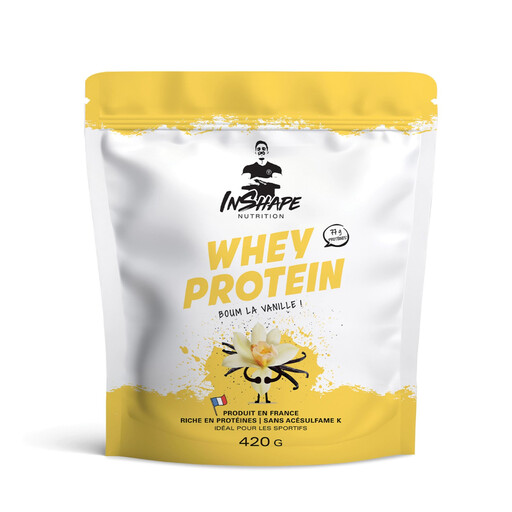
Why this choice suits this profile: With its 420 g, this product lets you test a vanilla-flavored whey concentrate without immediately investing in a large tub. A 30 g serving provides 23.1 g of protein.
The nutritional table details proteins, sugars, and fats per serving. So you are not just relying on a general marketing promise.
23.1 g protein, 1.3 g fat, and 2.6 g sugars per 30 g serving; prepares with water or milk.
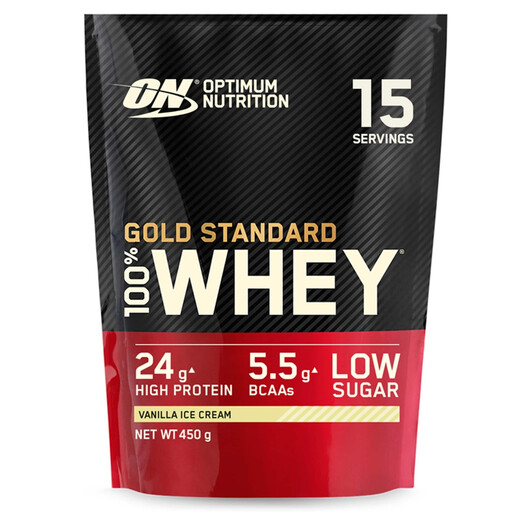
Why this choice suits this profile: This formula combines isolate, concentrate, and hydrolyzed isolate, delivering 24 g of protein per 30 g serving. Its intermediate size remains easy to store at home.
The detailed composition allows you to identify the different protein sources and sweeteners, rather than judging the formula solely by its flavor.
24 g protein, 1 g sugars, and 119 kcal per serving; mixes with water, milk, or your beverage of choice.
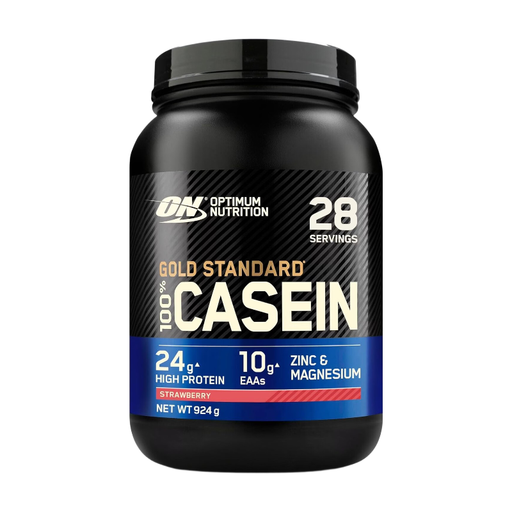
Why this choice suits this profile: Micellar casein is intended for those seeking a slow-digesting protein, particularly in the evening, rather than a fast-assimilation post-workout formula.
Its nature is clearly stated: the ingredients contain 88% micellar casein. Impossible to confuse it with a whey if you are looking for slow digestion.
24 g protein and 0.6 g fat per 33 g serving; contains milk and may contain traces of other allergens.
We have compiled a comprehensive, real-time updated selection of products meeting these demanding selection criteria and European safety regulations.
Respect the dose indicated on the packaging and use a scale if you want to compare portions accurately. Mix the powder with the recommended liquid volume, then drink the preparation promptly.
To avoid lumps:
Close the container after each use and store it in a cool, dry place. A properly stored powder remains usable until the date indicated on the packaging. However, its taste and texture may deteriorate if exposed to humidity.
People allergic to milk, soy, fish, or tree nuts should carefully read the allergen list. Marine collagen powder contains fish derivatives. Medical nutrition products should not be used as a sole source of nutrition and may require professional advice.
It can be consumed after training, at breakfast, or between meals, depending on your schedule and dietary needs. The timing matters less than the total amount of protein provided by your diet and supplement.
Refer to the instructions on the label. Most products must be carefully resealed, stored in a dry place, and protected from light. For a medical nutrition powder, post-opening instructions may be stricter; follow them to the letter.
No. It generally contains components derived from milk and sometimes soy. People with allergies, pregnant or breastfeeding women, those on medication, or under medical supervision should consult a professional before taking a protein supplement.