
Livraison le jour même ou le lendemain

Qualité garantie

Débloquez vos offres de bienvenue: Livraison GRATUITE | Jusqu'à -80 % | 30 jours d'essai gratuits à JoyPlus
Téléchargez l'application
A protein powder can help you hit your daily intake more easily when you don’t have time to prepare a meal or a post-workout snack. But with promises of fast digestion, ‘pure’ formulas and accelerated results, it’s not always easy to separate fact from fiction.
Before you choose a whey, casein or plant protein, three common mistakes keep cropping up:
Whey protein comes from milk and generally mixes easily with water or milk. Formulas that combine whey concentrate, isolate and hydrolysed isolate can suit those looking for an easy-to-consume post-workout protein.
Whey isolate often appeals because of its high protein content and typically lower levels of carbs and fat. However, it is still a dairy protein and may contain traces of other allergens.
Casein also comes from milk, but it is usually digested more slowly. It is often taken in the evening or between meals, depending on individual habits and needs.
Plant protein, particularly pea and rice-based blends, suits vegetarian or vegan diets. Do check the certification, any potential allergens and the actual amount provided per serving.
To compare different products effectively, rely on concrete data:
Some products provide between 22 and 24 g of protein per 30 g serving. A protein-rich powder isn’t necessarily the best choice for everyone if its taste, texture or composition doesn’t suit you.
A large pack can lower the price per serving, but it takes up more space and needs to be sealed carefully, away from heat and moisture. Individual sachets are handy at the office, on the go or after a gym session, but their cost per serving is usually higher.
For a quick snack, a protein bar can fit into an active routine. It doesn’t automatically replace a balanced meal and may contain polyols, nuts or collagen: always check the label before buying.
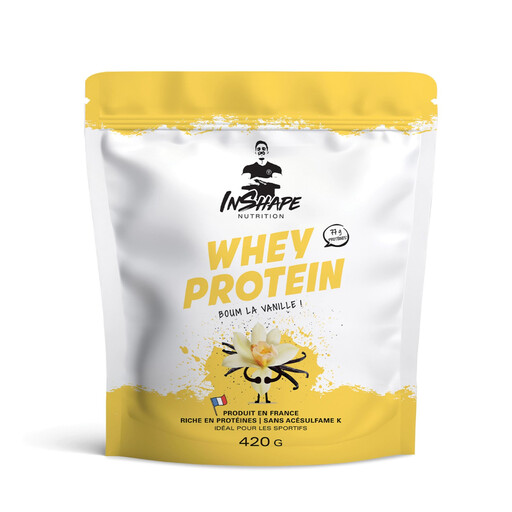
Why this product suits this profile: At 420 g, this size lets you try a vanilla whey without committing to a large tub straight away. According to the product page, a serving of around 30 g provides 23.1 g of protein.
The protein content per serving and the recommended preparation method are clearly stated, making it easy to compare with other products.
23.1 g of protein and 1.3 g of fat per serving, and can be mixed with water or milk.
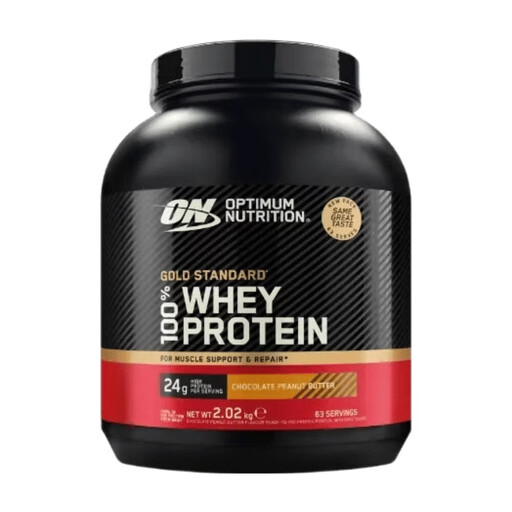
Why this product suits this profile: Its large 2.02 kg tub and 63 advertised servings are ideal for athletes who regularly take a protein supplement.
The product page specifies the proportions of whey isolate, concentrate and hydrolysate, along with the nutritional values per serving, rather than relying on a simple marketing claim.
24 g of protein per 32 g serving, around 1.3 g of fat, and a format well suited to regular use.
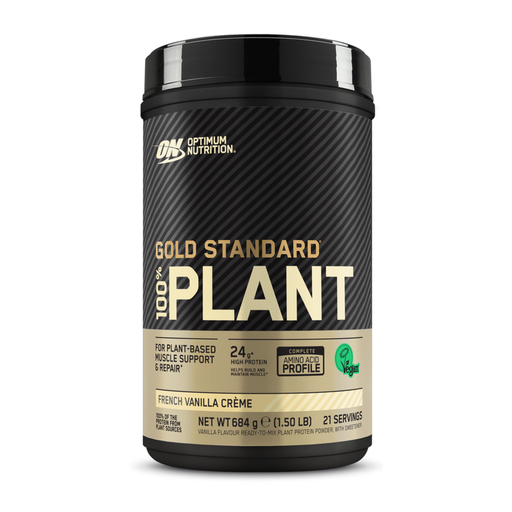
Why this product suits this profile: This vegan protein combines pea and rice, and provides 24 g of protein per 32 g serving according to the information provided.
The product page clearly states the plant-based origin and lists possible traces of milk, gluten, egg, soya and nuts, so you can check against your own dietary requirements.
24 g of protein per serving, 5.3 g of fibre per 100 g, and a formula with no declared dairy ingredients.
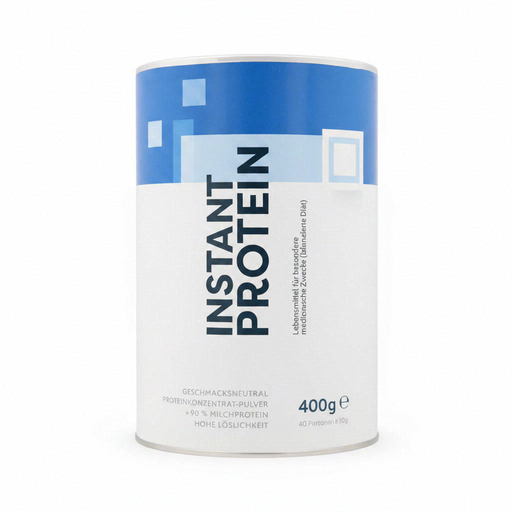
Why this product suits this profile: This casein-based powder is designed to enrich drinks and foods as part of specific nutritional needs.
Don’t confuse it with a standard bodybuilding protein: the product page classifies it among foods for special medical purposes. Its use may require professional supervision.
91 g of protein per 100 g, a neutral taste, and can be used in hot preparations up to 70 °C according to the product page.
We’ve put together a comprehensive, real-time selection of products that meet these strict criteria and comply with European safety regulations.
There’s no universal time to stick to. Taking a protein after training can be handy if your next meal is still a while away, but it’s your total daily intake that really matters. Stick to the serving size on the pack and adjust it to your diet.
Check the best-before date and store the product tightly sealed in a cool, dry place away from light. Once opened, moisture can alter the texture and cause clumping. For specific products, particularly certain nutritional preparations, follow the usage period stated on the label.
No. A protein supplement is designed to complement a varied and balanced diet; it doesn’t necessarily provide all the fibre, vitamins, minerals and other nutrients of a meal. If you are pregnant, on medication, have a medical condition or have specific nutritional needs, seek advice from a healthcare professional.