
Livraison le jour même ou le lendemain

Qualité garantie

Débloquez vos offres de bienvenue: Livraison GRATUITE | Jusqu'à -80 % | 30 jours d'essai gratuits à JoyPlus
Téléchargez l'application
A protein powder can make it easier to hit your daily protein intake – after a workout, between meals, or when your regular diet isn’t quite enough. But with so many tubs and marketing claims out there, it’s easy to get lost. A whey protein delivering over 20 grams per serving doesn’t serve the same purpose as a casein protein, which digests more slowly. And a big bag isn’t necessarily a bargain if you don’t like the taste.
Here are the key factors to weigh up before you order, along with a selection of products suited to different user profiles.
A serving claiming 24 grams of protein might look impressive. But you also need to check the total weight of the serving. A 30–33 gram scoop with 22–24 grams of protein isn’t the same concentration as a heavier serving loaded with carbs or fats.
Check the nutritional table and compare the content per 100 grams, rather than just relying on the figure on the protein shaker.
Whey powder is typically used around your workout or between meals. Casein is usually chosen when you want a slower-digesting protein – for example, before a long period without food. These two types of protein don’t serve the same purpose.
A formula designed to support recovery after exercise won’t necessarily suit someone looking for a slow-release protein before bed.
A low-sugar protein powder can still contain sweeteners, thickeners or emulsifiers. That’s not necessarily a problem, but these ingredients need to suit your preferences and digestive tolerance.
The products featured here contain milk and, for several options, soya. Some may also contain traces of gluten, eggs, peanuts or tree nuts. If you have an allergy or intolerance, reading the label is essential.
For a muscle-building protein or a sports protein, compare:
Some whey formulas offer between 21 and 24 grams of protein per serving, while the medical-grade Nestlé Instant Resource Protein provides 91 grams per 100 grams. But don’t take these figures in isolation – the uses, serving sizes and target audiences are completely different.
Whey protein generally includes whey isolate, concentrate or hydrolysate. The blends in this selection are designed to be mixed with water or milk and taken around physical activity or as a meal supplement.
Micellar casein is more associated with a slow release of amino acids. It can be suitable before bed or between meals that are several hours apart, depending on your eating habits.
A bag over 2 kilograms often means fewer reorders, but you need to enjoy the taste and check the best-before date. For a first order, a 420-gram tub limits the risk of being stuck with several kilos of a flavour you don’t like.
Also, work out the cost per serving rather than just comparing the bag price. An unflavoured powder can be stirred into soup, mash or porridge, while a flavoured whey is easier to mix in a shaker.
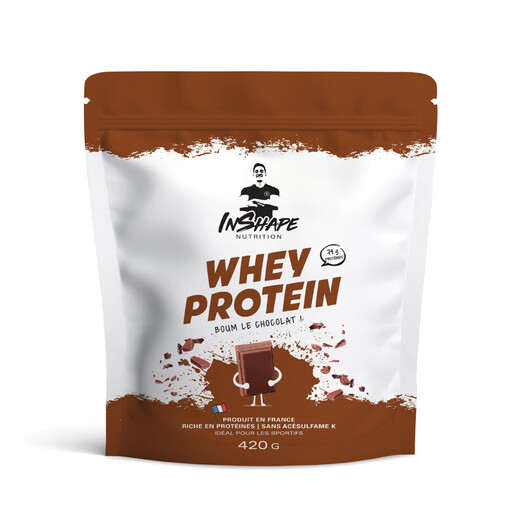
Why this suits this profile: At 420 grams, this tub lets you try a chocolate whey without committing to a large bag straight away. According to the product information, each 30-gram serving provides 22.2 grams of protein.
The small tub stops you buying several kilos of a flavour you might not like. The sugar and fat content is listed per serving.
22.2 g of protein per serving, 1.4 g of fat and 2.1 g of sugar per serving. Mix with 200 ml of water or milk.
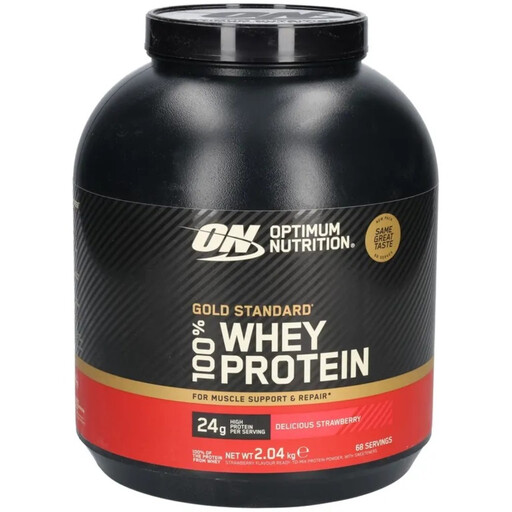
Why this suits this profile: Its 2.016 kg tub and blend of whey isolate, concentrate and hydrolysate is aimed at people who regularly use a protein supplement around their workouts.
The nutritional table lets you check the composition rather than relying on packaging claims alone: 24 g of protein and 1.2 g of sugar per 32 g serving.
24 g of protein per serving, under 120 kcal per serving and mixes with 180 to 240 ml of cold water.
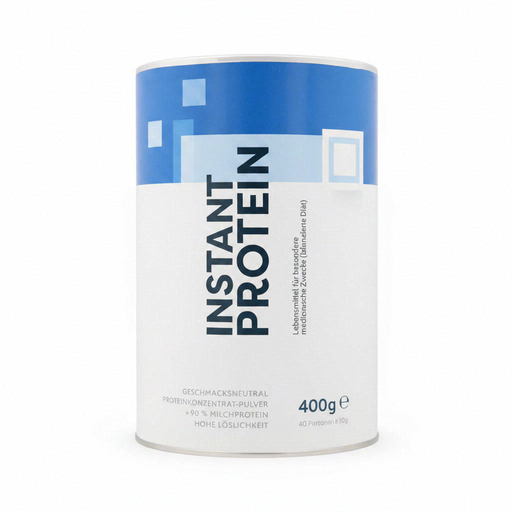
Why this suits this profile: This casein-based powder is intended for the nutritional management of confirmed or at-risk malnutrition. It can enrich drinks and foods, but must be used according to the label instructions and, if necessary, after consulting a healthcare professional.
This isn’t a sports whey marketed as a one-size-fits-all solution. The product page clearly states it’s a food for special medical purposes and should not be used as the sole source of nutrition.
91 g of protein per 100 g, an unflavoured powder and a stated low content of lactose, potassium, fat and carbs. It can be added to hot preparations up to 70 °C.
We’ve put together a full, real-time updated list of products that meet these strict selection criteria and European safety regulations.
Pregnant or breastfeeding women, those on medication, people with a chronic condition or specific nutritional needs should seek advice from a healthcare professional. The Nestlé product in particular should be used under medical supervision where required.
The amount depends on your diet, weight, physical activity and the manufacturer’s recommendations. Several products in this selection suggest one to three servings per day, while casein-based options typically recommend one daily serving. It’s better to calculate your total daily intake rather than automatically adding several shakes.
The best-before date is on the packaging. After opening, store the powder in a cool, dry place and seal the container tightly. For Nestlé Instant Resource Protein, the product page recommends using it within four weeks of opening. Once mixed, the drink should be covered and consumed within the time stated on the label.
Micellar casein is designed for times when you want a slower release of protein. So it can be taken before bed or between meals, depending on your needs. However, the products listed contain milk and soya – always check the allergen list before consuming.