
Livraison le jour même ou le lendemain

Qualité garantie

Débloquez vos offres de bienvenue: Livraison GRATUITE | Jusqu'à -80 % | 30 jours d'essai gratuits à JoyPlus
Téléchargez l'application
Between the promises of rapid recovery, "premium" formulas and sometimes significant price differences, choosing a protein powder can quickly become a headache. Whether you do weight training, fitness, running or any other regular activity, the right product depends above all on its composition, its format and how you plan to use it day to day.
A 1 kg or 2 kg bag doesn't contain only protein. Instead, look at the protein per 100 g line, as well as the amount provided per serving. A powder that delivers 22 to 24 g of protein for a 28 to 30 g dose is easier to compare than a product where serving sizes vary or are hard to understand.
The number of servings also matters. A 450 g tub can be a good option for trying a flavour, while a format over 2 kg is better suited to regular use. In any case, compare the price per serving rather than just the weight of the packet.
Whey protein is generally appreciated for its relatively quick digestion and ease of use around training. However, the presence of an isolate alone isn't enough to judge the whole formula. Check the proportion of isolate, concentrate and hydrolysate, as well as the levels of carbohydrates, fats, sweeteners and allergens.
Whey isolate often boasts a high protein content and moderate amounts of carbohydrates and fats. However, it isn't automatically suitable for everyone, particularly those with a milk protein allergy.
A protein powder you consume several times a week needs to be easy to mix and pleasant to drink every day. Individual sachets are handy at the office, on the go or after a run. At home, a large tub or bag is usually more economical and better suited to frequent use.
For a no-prep snack, a protein bar can also help with meal organisation. It doesn't necessarily replace a full meal and may contain polyols, more fat or more carbohydrates than a powder.
To compare two products, start from the same basis:
A low-sugar protein can be useful if you're watching your intake, but this claim must be backed up by the nutritional table. Some products show around 1 to 2 g of sugars per serving, while other preparations or bars contain significantly more.
Whey is generally suitable for people looking for a simple preparation around their workout or between meals. Casein protein offers a thicker texture and a slower digestion. It can be taken in the evening or at another time of day, depending on personal preferences and dietary needs.
These products remain food supplements and do not replace a varied diet. As part of a balanced diet and regular physical activity, proteins contribute to the maintenance and growth of muscle mass, in line with authorised claims in the European Union.
Follow the instructions on the packaging. The products shown here are generally mixed with water or milk, in a volume of around 180 to 360 ml depending on the formula. If you're trying a product containing sweeteners or polyols, start with a moderate amount to check your tolerance.
If you have an allergy, are on medication, pregnant or breastfeeding, seek advice from a healthcare professional before use.
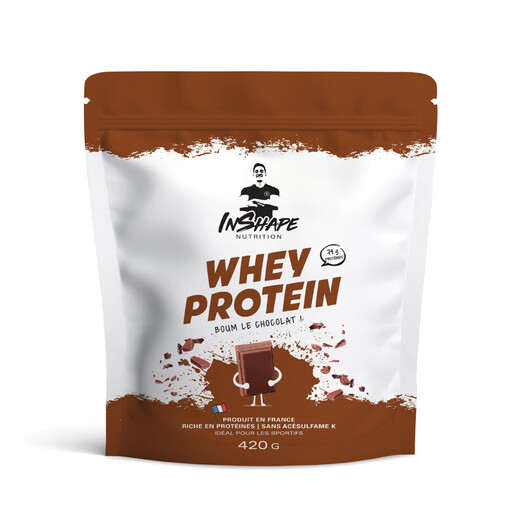
Why this choice suits this profile: At 420 g, this product lets you try a chocolate whey without committing to a large tub straight away. A 30 g serving provides 22.2 g of protein.
The content per serving and nutritional values are clearly stated, making it easy to compare with other products.
22.2 g of protein, 2.1 g of sugars and 1.4 g of fat per 30 g serving. Made in France according to the information provided.
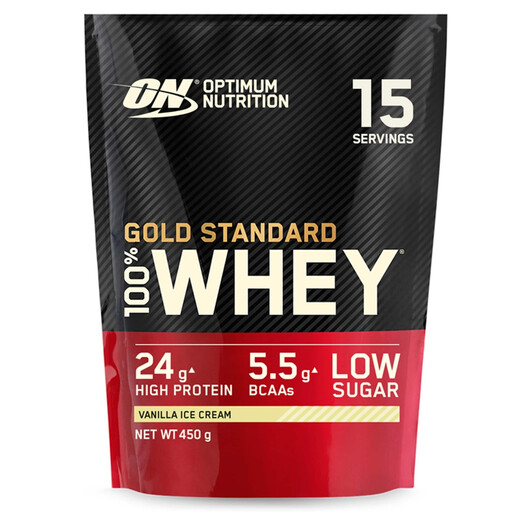
Why this choice suits this profile: This formula combines isolate, concentrate and hydrolysed isolate, delivering a stated 24 g of protein per serving. Its compact tub is easy to store at home.
The amounts of protein, sugars and fat are shown for a 30 g serving, with no complicated calculations or conversions needed.
24 g of protein, approximately 0.9 g of sugars and 2.1 g of fat per serving. Contains milk and soya.
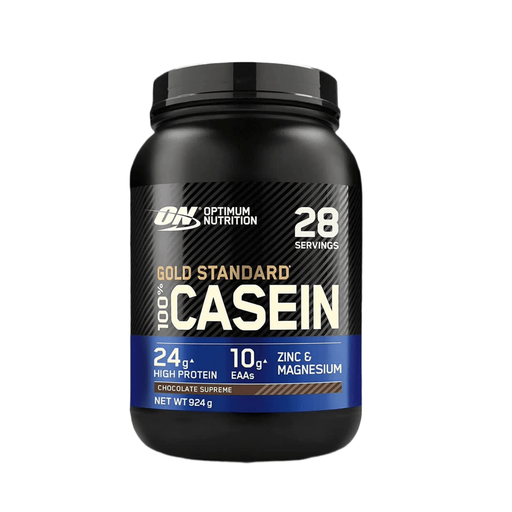
Why this choice suits this profile: Micellar casein is designed to be digested more slowly. With its 924 g and 28 servings, this product is ideal for those looking to add a casein protein to their routine.
The formula states 88% micellar casein and lists the allergens. This clearly distinguishes it from a standard whey protein.
24 g of protein per 33 g serving, 1.1 g of sugars and 0.8 g of fat. Mix with approximately 300 to 360 ml of liquid.
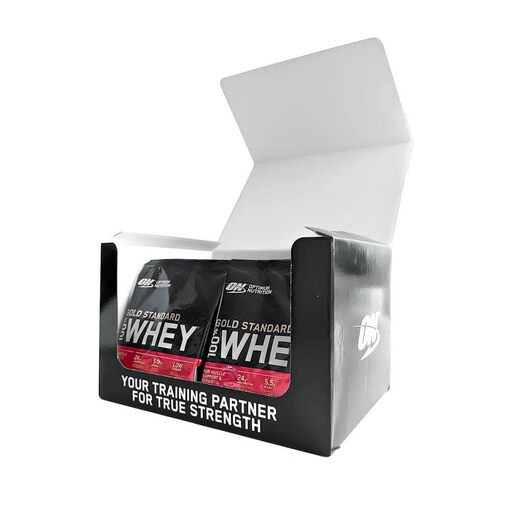
Why this choice suits this profile: The individual 31 g sachets slip easily into a gym bag, desk drawer or suitcase. No need to carry a large tub.
Each dose is pre-measured and can be prepared with a glass and a spoon, with no special equipment needed.
24 g of protein and 2 g of sugars per sachet, in a pack of 24 units. Contains milk and soya.
We've put together a comprehensive, real-time updated list of products that meet these strict selection criteria and European safety regulations.
A bar is most useful when you can't prepare a shaker. Check its actual protein content, but also the amount of sugars, polyols, fibre and fat, not forgetting allergens. Some bars provide between 14 and 20 g of protein, but their texture and nutritional profile can vary greatly from one product to another.
Respect the date on the packaging as well as the manufacturer's instructions. After opening, store the product in a cool, dry place, away from light and moisture. Seal the bag or tub carefully after each use. Powder that has absorbed moisture can become difficult to mix, even before its best-before date.
There is no universal time. The powder can be taken after training, at breakfast or between meals to supplement your daily intake. The consistency of your diet, recovery, hydration and adjusting amounts to your personal needs remain the priorities.