Gamers comparing protein content
After exercising, you want to know how much protein you’ll get from the portion you’ll eat in front of the screen, without mistaking a small handful for a post-workout meal.


To choose a snack to enjoy while gaming after exercise, compare the protein per 100 g, then work out how much that means for the portion you plan to eat. The COULEURS VIVES almonds and Vico peanuts mentioned here have similar protein levels. When choosing between these and a mixed snack, the recipe, salt content and allergens can make all the difference.
After exercising, you want to know how much protein you’ll get from the portion you’ll eat in front of the screen, without mistaking a small handful for a post-workout meal.
You’re looking for a crunchy snack that’s easy to keep within reach, while distinguishing a plain recipe from a salted, sweetened or coated product.
You need to distinguish between peanuts, almonds and other nuts, then check the ingredients and any ‘may contain’ warnings on the pack you choose before making a decision.
For the products mentioned here, E.Leclerc lists 27,4 g of protein per 100 g of COULEURS VIVES almonds, while Auchan lists 27 g per 100 g of Vico peanuts. These figures apply to these specific products; the portion size and recipe also matter when choosing a snack.
| Criterion | What to check | Who it’s for |
|---|---|---|
| Protein per portion | Compare the protein per 100 g, then work out how much that means for the portion you plan to eat. For the E.Leclerc and Auchan products mentioned, 30 g provides around 8,2 g and 8,1 g of protein respectively. | After exercise, I want to know what I’ll get from the amount I’ll actually eat while gaming. Around 36 % of consumers put this need first. |
| Recipe and salt | Read the ingredients and compare the salt per 100 g. Manger Bouger recommends a small handful of plain nuts with no added salt, sugar or chocolate. | If I snack regularly in front of the screen, I prefer to make an informed choice between a plain recipe and a seasoned one. This is the top priority for around 29 % of consumers. |
| Portion size while gaming | Check the pack size, nutrition information per 100 g and the amount you want to serve before your session. | With an open packet within reach, I want to stick to the portion I had planned. Portion control is the top priority for around 21 % of consumers. |
| Allergens | Check the ingredients on the exact product you’re buying and look for any ‘may contain’ warnings. The DGCCRF reminds shoppers that allergenic ingredients must be highlighted on labels. | If I need to avoid an allergen, the ingredients and any ‘may contain’ warnings come before comparing protein. Around 14 % of consumers make this check their priority. |
A figure given per 100 g won’t reflect the amount you eat if you only have a small portion. On its own, it also isn’t enough to determine whether this snack is right for you after exercise.
Choose your portion before you start gaming and compare the nutrition information for that amount.
A salted, sweetened or chocolate-coated mix won’t necessarily contain the same ingredients as a plain product. Its protein content also depends on the proportion of each ingredient.
Read the ingredients and compare protein and salt per 100 g, rather than relying on the name of the mix alone.
A simple recipe doesn’t rule out ‘may contain’ warnings. For example, the Carrefour Classic’ peanut product lists traces of nuts as well as the peanuts in the recipe.
If you have an allergy, check the label on the exact product and follow your healthcare professional’s advice.
A no-added-salt roasted peanut product offers a useful point of comparison for a recipe that also contains oil.
COULEURS VIVES roasted almonds provide a point of comparison for a no-added-salt recipe.
Vico’s unsalted roasted peanuts offer a comparison with the almonds mentioned above.
Whole roasted and salted almonds illustrate the trade-off between a salty taste and the ingredients.
Aldi France’s Trader Joe’s range includes unsalted blanched almonds.
These walnuts and pistachios are nut options to compare for a snack while gaming. The walnut packaging and the salt in the pistachio recipes affect what you’ll want to check before buying.
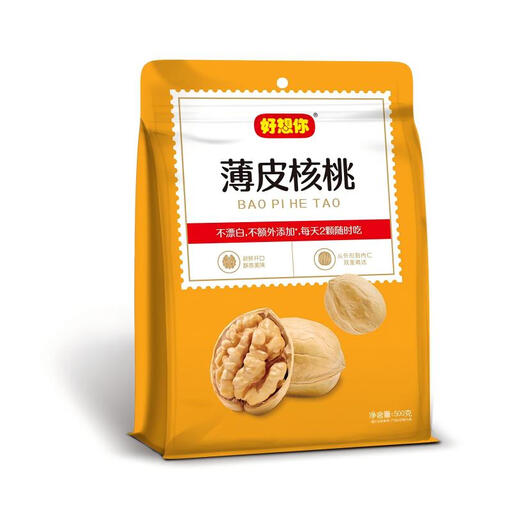 Image unavailable
The pack of eight may suit you if you’d like to split your snack across several sessions. The walnuts are in their shells, so you’ll need to crack them before eating. Check the amount in each packet and the label if you need to manage allergens.
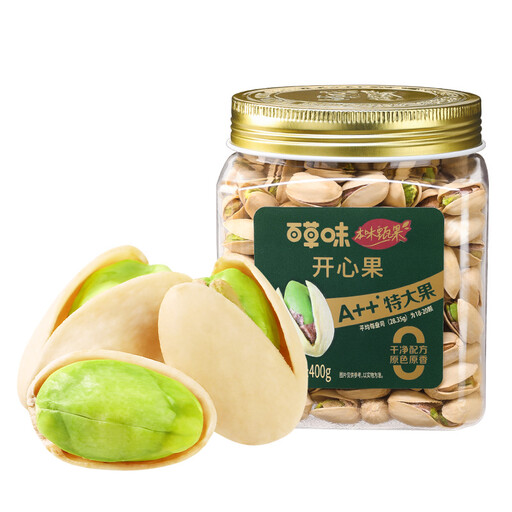 Image unavailable
These pistachios need to be shelled, so they’re a good choice if you enjoy this kind of snack and are happy with a recipe containing salt. To compare them with an unsalted option, check the salt and protein per 100 g, then plan the portion you want to serve.
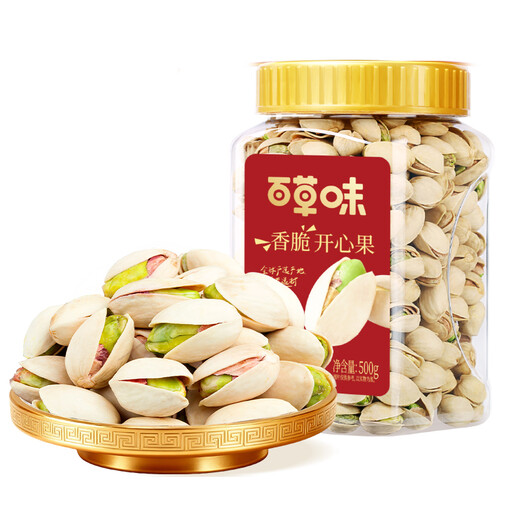 Image unavailable
This 500 g pack is for anyone who’d like to decide how much to serve before a session. The pistachios are in their shells and the recipe contains salt. If these points matter to you, compare the nutrition information on the pack with that of other options.
Start with the ‘protein’ figure per 100 g, then work out how much that means for your portion. Based on the E.Leclerc and Auchan product information mentioned above, 30 g of COULEURS VIVES almonds provides around 8,2 g of protein, compared with around 8,1 g in 30 g of Vico peanuts.
These two specific products have similar protein levels. Choose between them based on the allergens you need to avoid, the recipe and the portion you have in mind. Don’t treat this snack as the only answer to your post-workout needs.
They may suit your taste, but you should include the salt content in your comparison. Monoprix roasted and salted almonds contain 0,64 g of salt per 100 g. If you’d prefer an unsalted option, Manger Bouger recommends a small handful of plain nuts with no added salt, sugar or chocolate.
Check the ingredients and any ‘may contain’ warnings on the exact pack before comparing the nutrition figures. The DGCCRF reminds shoppers that allergenic ingredients must be highlighted on food labels.