Households cooking several portions
You use coconut milk to add flavour and texture to savoury or sweet dishes. If protein is a priority in your meal, you plan to get it from other ingredients.


Choose a 1 L carton of coconut milk if you plan to cook several portions, but don’t assume a larger pack will meet your protein needs. For a snack, compare the protein values per 100 g and per portion. A coconut-flavoured dairy product may suit a different purpose from culinary coconut milk, while still containing milk. If you’re looking for a plant-based drink, check its own nutritional information and ingredients.
You use coconut milk to add flavour and texture to savoury or sweet dishes. If protein is a priority in your meal, you plan to get it from other ingredients.
You’re looking for protein values per 100 g and per portion, without confusing a coconut-flavoured dairy product with a cooking ingredient.
You’re looking for a carton for everyday drinks. Check the protein content and ingredients of the specific product you choose.
First decide whether you’ll use coconut milk for cooking, drinking or as part of a snack: these products aren’t interchangeable. Then compare the protein values on each product’s nutritional information.
Choose this if: you’re planning several recipes that call for coconut milk.
Bear in mind: the larger volume is handy for cooking in quantity, but won’t meet your meal’s protein needs on its own. Follow the storage instructions once opened.
Choose this if: you’re mainly looking for a coconut-flavoured drink, particularly in a 1 L carton.
Check: its protein content and ingredients. It isn’t the same as culinary coconut milk.
Choose this if: you’re looking for a snack with a stated protein content.
Worth noting: the SPORT product described by E.Leclerc contains skimmed milk, so it’s neither a substitute for culinary coconut milk nor a plant-based option.
| Criterion | What to check | Who it’s for |
|---|---|---|
| Declared protein | The ‘protein’ value per 100 g or 100 ml, followed by the amount in the portion you plan to have. | For a snack, I want to know how much protein it contains rather than relying on its coconut flavour alone. Around 42% of consumers make this a priority. |
| Cooking volume | The 1 L or 400 ml pack size and the storage instructions after opening. | When I’m cooking several portions, I want enough coconut milk for the recipes I’ve planned. This is a priority for around 25% of consumers. |
| Chilled portions | The number and weight of the pots, their protein content per 100 g and their storage temperature. | I prefer to have snacks already portioned out for the household, while choosing their nutritional profile. Around 17% of consumers prioritise this format. |
| Plant-based drink | The product description, ingredients and protein content of the drink you choose. | For everyday drinks, I prioritise a plant-based option and coconut flavour over a cooking ingredient. Around 16% of consumers make this their top criterion. |
Protein levels vary between product types. E.Leclerc lists 9.2 g of protein per 100 g for its SPORT coconut-flavoured dairy product, compared with 0.5 g per 100 ml for its VEGE coconut drink. Auchan lists less than 0.5 g per 100 g for its blended plant-based coconut milk dessert.
Check the ‘protein’ value, then make sure you know whether you’re buying a cooking ingredient, a drink or a snack.
A larger pack is useful if you’re planning several dishes; a 400 ml tin may be a better fit for occasional use.
Before buying, work out how much your recipes need and check the storage instructions for once the pack is open.
Any leftovers need to be stored and used as directed on the packaging.
A coconut drink and culinary coconut milk aren’t used in the same way. Carrefour’s product listing for Real Thaï 1 L coconut milk states, for example, that it contains 19 g of fat per 100 ml. This figure tells you nothing about the protein content of another product.
Compare protein, fat and sugars on the label, then consider these values in relation to the amount you plan to use.
The SPORT coconut-flavoured product described by E.Leclerc contains pasteurised skimmed milk. The plant-based coconut milk dessert described by Auchan is a chilled product that must be kept between 0 °C and 6 °C.
Check the product description, ingredients list, stated allergens and storage instructions for every product.
These products are designed for different purposes. A brand featured here may not offer the type of product you’re looking for.
A 1 L carton of culinary coconut milk for recipes made in larger quantities.
A 400 ml tin of culinary coconut milk for recipes that need a smaller amount.
A coconut-flavoured dairy product sold in a pack of 4 × 120 g, intended to be eaten in portions rather than used as culinary coconut milk.
A blended plant-based coconut milk dessert in a pack of 4 × 100 g, which is different from a coconut-flavoured dairy product.
A 1 L carton of plant-based coconut drink for drinking, rather than for use as culinary coconut milk.
These products are mainly suited to cooking with coconut milk in a 1 L format; Alpro Coconut Barista is more suitable as a drink. If you’re choosing products as part of a high-protein diet, check the nutritional information for the product you select and plan the other ingredients in your meal according to your needs.
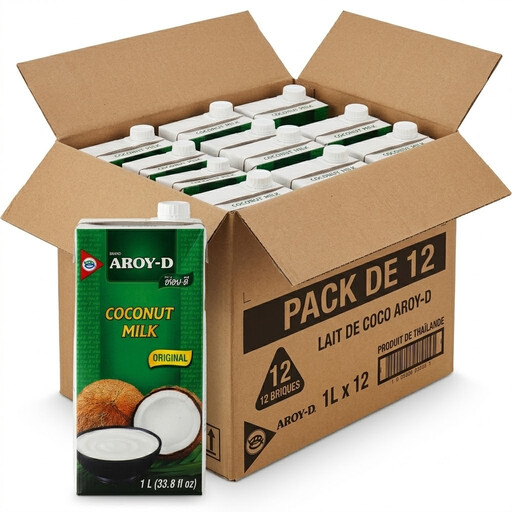 Image unavailable
Worth considering if several recipes call for coconut milk: the listed pack contains 12 units of 1 L each. Plan how you’ll use them, and check the protein content on the packaging if it matters for your recipes.
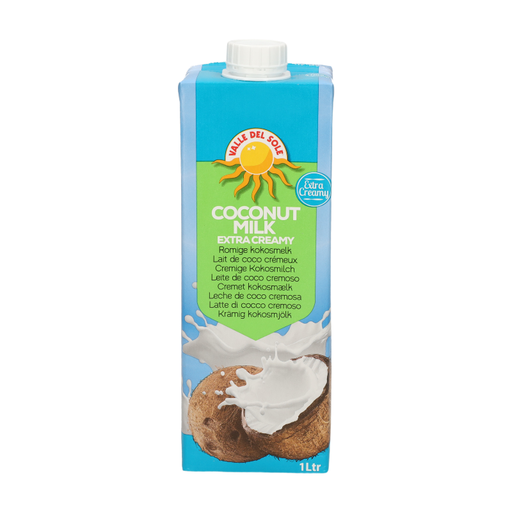 Image unavailable
This 1.0 L format is suitable for making several coconut milk dishes. The product title states 17%; check the nutritional information for protein content and the ingredients list for the variety you choose.
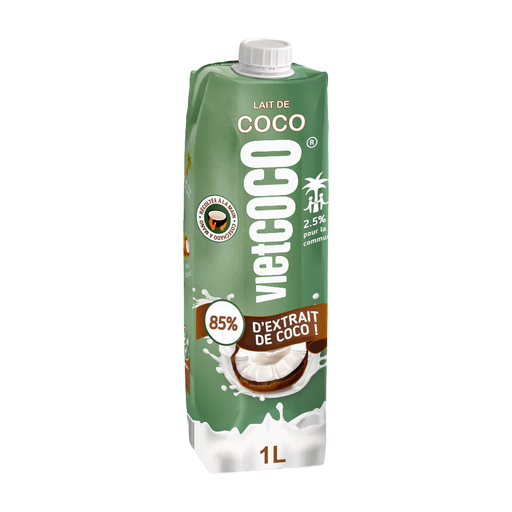 Image unavailable
Consider this 1 L carton if you’re cooking several portions. The product title gives a fat content range of 17-19%; compare the protein content separately and follow the storage instructions once opened.
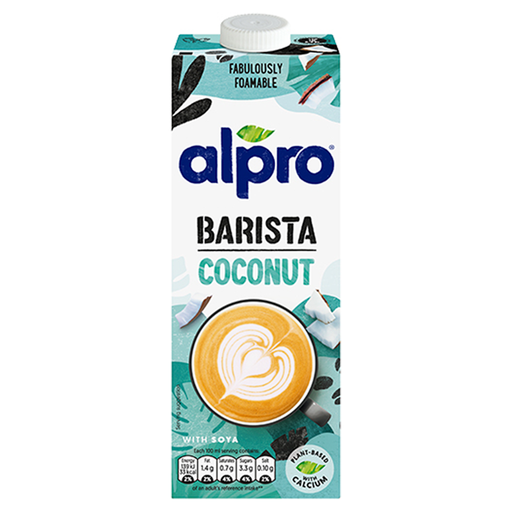 Image unavailable
Choose this for drinking, particularly with coffee, rather than as culinary coconut milk. The carton contains 1 L. Check the protein content, ingredients and storage instructions for this variety on the packaging.
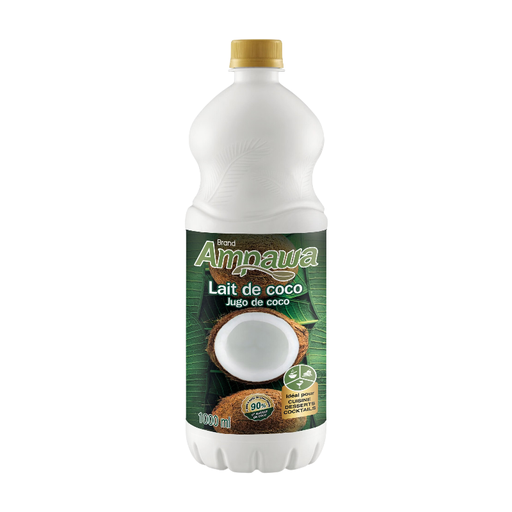 Image unavailable
This 1 L coconut milk is a good option when you need enough for several dishes. To compare it as part of a high-protein meal, check its nutritional values and storage instructions on the packaging.
No: the volume doesn’t tell you how much protein it adds to your meal. Use the coconut milk as the recipe requires, check its protein content on the label and choose other ingredients separately if protein is your priority.
Start by checking the product description and intended use, then compare the protein values per 100 g or 100 ml and per portion. The DGCCRF says that nutritional information for most pre-packed foods includes fat, sugars and protein, among other details.
A 400 ml pack is a good fit if that’s all you need for one recipe; 1 L is more suitable for several planned dishes. Carrefour lists a 400 ml tin of Carrefour Sensation and a 1 L carton of Real Thaï. In either case, follow the storage instructions for the product you buy once it’s opened.
No. The SPORT coconut-flavoured product described by E.Leclerc contains pasteurised skimmed milk, so check the ingredients list and allergens for the product you choose. If it’s a chilled product, also follow the storage temperature shown on the packaging.