
Livraison le jour même ou le lendemain

Qualité garantie

Débloquez vos offres de bienvenue: Livraison GRATUITE | Jusqu'à -80 % | 30 jours d'essai gratuits à JoyPlus
Téléchargez l'application
A bar slips easily into a gym bag, a jersey pocket or a desk drawer. But not all protein and energy bars are designed for the same purpose. Some focus on carbohydrates to fuel your workout, while others deliver a high protein hit. Meal bars, meanwhile, pack more nutrients into a 70–100 g format.
The most common trap is relying solely on the claims splashed across the packaging. A bar boasting "high in protein" can also contain a significant amount of polyols, sugars or fats. Conversely, an energy bar might be perfect for a long ride but far less suitable as an everyday snack.
An energy bar typically provides a substantial amount of carbohydrates, which serve as a fuel source during prolonged activity. For example, a 68 g CLIF BAR Blueberry delivers 38 g of carbohydrates, 11 g of protein and 256 kcal per serving.
A protein bar, on the other hand, aims to pack more protein into a compact format. The nu3 Fit Protein Bar White Chocolate Raspberry contains 17.6 g of protein per 55 g, while the FULFIL Chocolate Peanut Caramel provides 15 g per 40 g.
Choosing an energy bar to replace a meal, or a very high-protein bar to fuel a multi-hour hike, creates a mismatch between the product and its intended use.
"No added sugar" doesn't necessarily mean "no carbohydrates" or "low in calories". Sweeteners such as maltitol or sucralose can replace some of the sugar, but polyols deserve particular attention if you have a sensitive digestive system.
The nu3 Fit Protein Bar Salted Caramel shows 2.3 g of sugars and 12.1 g of polyols per 55 g bar. The product page also notes that excessive consumption of polyols may have a laxative effect. This detail matters just as much as the protein content splashed across the front of the wrapper.
Recipes often combine milk, soya, peanuts, tree nuts, gluten or collagen. Read the ingredient list carefully, along with any "may contain traces" statement, especially if you plan to eat the bar regularly.
Texture matters too. A bar containing syrup, chocolate or dried fruit can soften in a hot car or harden in cold weather. For an on-the-go snack, check the storage instructions on the packaging.
Compare the values per bar, not just per 100 g. This tells you exactly what you'll be consuming during a break or after a session.
A recovery bar shouldn't be chosen solely on its protein content. Its weight, how well you digest it, and when you plan to eat it are equally important.
Fibre can contribute to a feeling of fullness. However, a high amount just before intense exercise may cause discomfort for some people. Polyols, meanwhile, should be distinguished from sugars and identified separately in the nutrition table.
The FEED Chocolate Brownie Bar 70 g shows 20 g of protein and 16 g of fibre per 100 g. The KoRo Protein Bar Deluxe Pistachio Butter provides 14 g of protein per 55 g bar, with maltitols and around 12 g of polyols. This information helps you tailor your choice to your digestive tolerance and when you'll eat it.
For a portable snack, choose an individually wrapped bar with a weight that suits your bag. Formats of 40–55 g generally fit more easily between meals, while bars of 68–100 g are closer to a substantial portion.
Also check for milk, soya, peanuts, almonds, pistachios, oats, wheat or barley. Products containing chocolate or creamy fillings often need to be stored in a cool, dry place.
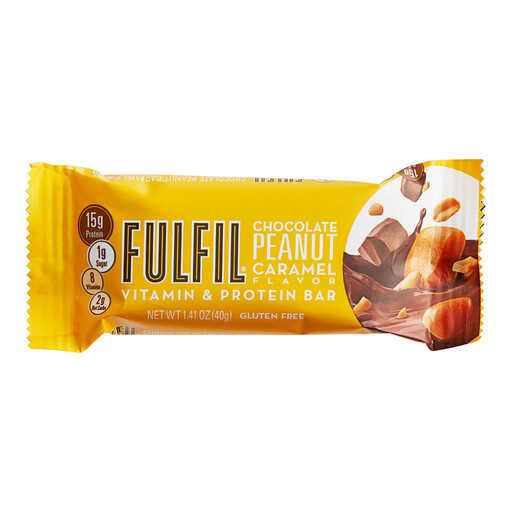
Why this suits this profile: Its 40 g format is ideal for a first try or a break between activities. The label shows 15 g of protein and 1 g of sugar per bar.
The clearly defined portion stops you from picking a large meal bar when you only need a light snack.
Individual wrapper, 190 kcal per bar and contains milk protein and whey.
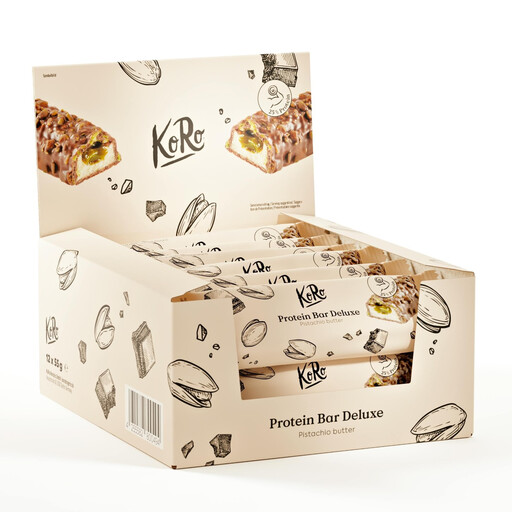
Why this suits this profile: This bar features a pistachio filling, a milk chocolate coating and a particularly indulgent texture.
The product page details the bar weight, allergens and per-portion values, rather than relying on a simple marketing promise.
14 g of protein per bar, 5 g of fibre and declared presence of pistachios, milk and soya.

Why this suits this profile: The 12-bar pack and 38 g of carbohydrates per serving target runners, cyclists and those doing prolonged activities.
Its nutritional profile is clearly geared towards energy provision, rather than being marketed as a diet bar.
11 g of protein, 5 g of fibre and a 68 g format ready to eat before, during or after exercise.
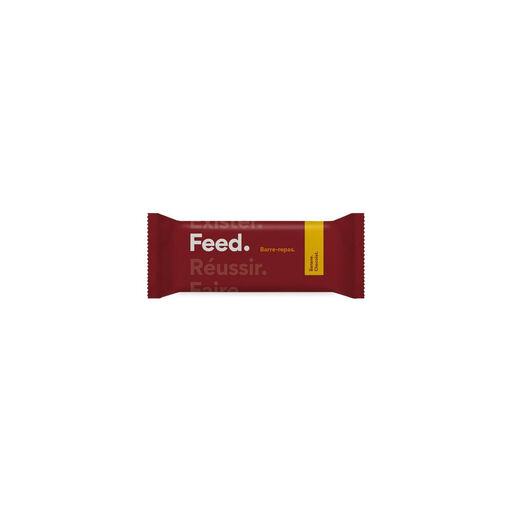
Why this suits this profile: At 100 g, with 22 g of protein per 100 g and a recipe based on oats and milk protein, it can serve as an occasional meal replacement.
The label presents it as a meal bar and recommends a varied, balanced diet. This avoids any confusion with a light snack.
Substantial 395 kcal per 100 g portion, 22 g of protein and declared presence of vitamins and minerals.
We've put together a comprehensive, real-time updated list of products that meet these strict selection criteria and European safety regulations.
It's possible as part of a varied diet, provided you check the ingredients and don't regularly replace meals with this type of product. Alternate with everyday foods such as fruit, yoghurt, nuts or a wholegrain sandwich. Pay particular attention to sweeteners, fibre and allergens.
For prolonged effort, first look for a suitable amount of carbohydrates, an easy-to-chew texture and a portion you've tolerated well before. An energy bar like the CLIF BAR can work for this purpose thanks to its 38 g of carbohydrates per serving. However, avoid trying a new product on competition day.
A standard protein bar is generally designed as a snack. To occasionally replace a meal, choose a meal bar explicitly labelled as such and check its calories, protein, fibre, fats, vitamins and minerals. Also remember to drink enough water and return to a varied diet as soon as possible.