
Livraison le jour même ou le lendemain

Qualité garantie

Débloquez vos offres de bienvenue: Livraison GRATUITE | Jusqu'à -80 % | 30 jours d'essai gratuits à JoyPlus
Téléchargez l'application
Between whey, protein powders, ready-to-drink shakes and plant-based alternatives, it’s not always easy to compare products. The price of the packet alone isn’t enough to make the right choice: you also need to consider the actual amount you’ll consume, the protein content, sugars, allergens and everyday practicality.
Whether you’re an active adult, a weight-training enthusiast or simply looking for a protein-rich snack, here are the criteria to examine before placing your order.
A 2 kg bag obviously doesn’t contain 2 kg of protein. The rest is made up of flavourings, thickeners, sweeteners and other ingredients. Check the “protein” line on the nutritional table and compare the values per serving, but also per 100 g.
For example, a powder that provides 22 g of protein per 28 g dose doesn’t have the same concentration as a drink containing 10 g of protein per 120 g. Both formats can be useful, but they’re intended for different purposes.
“No added sugar” doesn’t mean “carb-free”. Some products naturally contain sugars from milk or fruit. So check the full nutritional table, particularly the carbohydrates, sugars and sweeteners.
A low-sugar protein can be suitable if you’re looking to limit your sugar intake. However, taste, texture and digestive tolerance are still very personal.
Whey and milk-based drinks generally contain dairy proteins. Some products also contain soya, nuts, peanuts or gluten. A drink labelled “lactose-free” may still contain milk proteins: if you have an allergy or intolerance, reading the label is essential.
To compare several products side by side, note down the following information:
Proteins contribute to the maintenance and growth of muscle mass as part of a balanced diet and regular physical activity. However, a protein powder does not replace a varied diet.
Whey can come as a concentrate, isolate or hydrolysate of milk proteins. A whey isolate doesn’t have exactly the same composition as a whey concentrate: it’s better to compare the nutritional tables than to rely solely on the brand name.
If you’re looking for a formula without dairy ingredients, turn to a plant-based protein made from soya, pea, rice or a blend of sources. Nevertheless, check the allergens and the actual amount of protein per serving: a standard soya drink can be plant-based while being far less concentrated than a powder designed for sports use.
Powder is prepared with water or milk and requires a scoop and a shaker or other container. It’s easy to transport at home, to the office or after training, but it does require a bit of preparation.
A ready-to-drink protein shake or a high-protein milkshake is even simpler to take on the go. On the downside, the cost per serving can be higher and the bottles take up more space. Once opened, follow the storage instructions on the packaging.
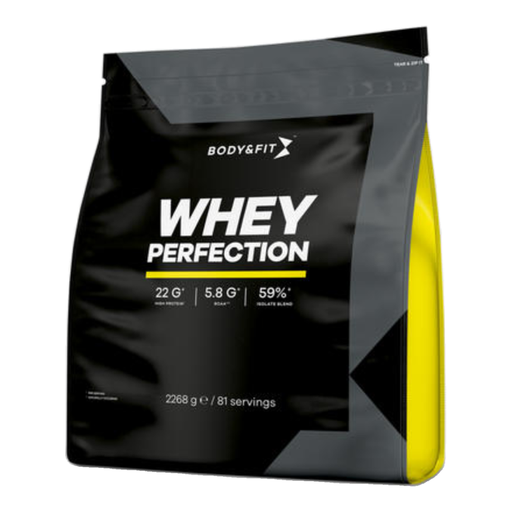
Why this choice suits this profile: With around 81 servings, this large format is ideal for regular use at home. A 28 g dose mixes with 250 ml of water or milk, allowing you to prepare a protein shake quickly.
The product page states up to 22 g of protein per serving and a low sugar content. The number of servings helps you estimate the cost per serving, rather than relying only on the total packet weight.
A blend of isolated, concentrated and hydrolysed proteins, available in several flavours. The powder can also be added to a smoothie, porridge or a baked preparation.
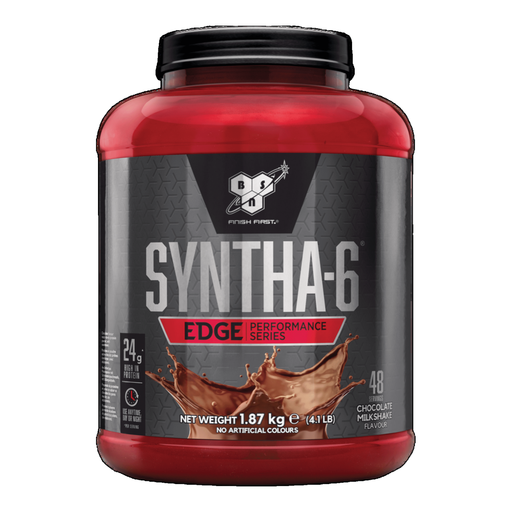
Why this choice suits this profile: This blend is aimed at those looking for a more sophisticated formula and who enjoy a creamy texture once the shake is prepared.
The serving size and composition are detailed: 24 g of protein for approximately 37 g of product, with a stated low sugar content. The ingredient list mentions milk proteins and soya, making it easy to check for allergens.
24 g of protein per serving, with whey isolate, concentrate, micellar casein and milk proteins. Prepare with 120 to 150 ml of water or milk.
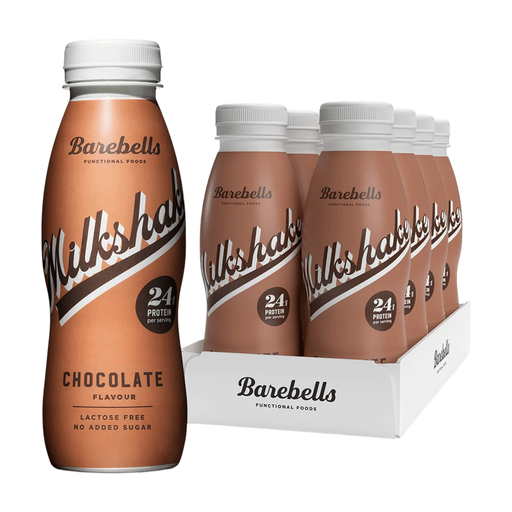
Why this choice suits this profile: The ready-to-drink format slips easily into a bag and is ideal for journeys, busy workdays or those who don’t want to carry powder or a shaker.
The bottle clearly states 24 g of protein per 330 ml, lactose-free and with no added sugar. However, it does contain milk: these claims don’t mean it’s free from dairy proteins.
Ready to drink, this milkshake is sold in a 330 ml bottle and a pack of 8. The nutritional information states approximately 198 kcal and 24 g of protein per bottle.
We’ve put together a comprehensive, real-time updated selection of products that meet these demanding criteria and comply with European safety regulations.
There’s no universal time to follow. A powder or protein drink can be consumed after training, between meals, or when your schedule doesn’t allow for a full meal. The most important thing is to incorporate it into a varied diet and follow the recommendations on the packaging.
Not necessarily. A drink mainly provides protein, sometimes also carbohydrates or fats, but it doesn’t always offer the nutritional diversity of a complete meal. Check its composition and use it more as a supplement or snack, depending on your needs.
Look for the “lactose-free” label and check the ingredient list. The Barebells drinks shown here are stated as lactose-free, but they contain milk: they should therefore be avoided if you have a milk protein allergy. A plant-based protein can be an alternative, as long as you check for the possible presence of soya, nuts or other allergens.