If you prioritise protein per glass
If getting more protein in the same volume matters more to you than choosing whole milk, compare enriched drinks. Lactel and Candia each state that their Protéines products contain 5.0 g of protein per 100 ml.


If your main priority is to stick with whole milk, compare its nutritional values and choose a pack size that suits how much you drink. For more protein in the same volume, the enriched Lactel Protéines and Candia+ Protéines drinks contain 5.0 g per 100 ml, compared with 3.2 to 3.3 g per 100 ml in the Lactel, Candia and Auchan whole milks reviewed. However, they do not have the same profile as whole milk.
If getting more protein in the same volume matters more to you than choosing whole milk, compare enriched drinks. Lactel and Candia each state that their Protéines products contain 5.0 g of protein per 100 ml.
If you drink whole milk or use it in recipes, the product description is a good place to start. The Lactel, Candia and Auchan whole milks reviewed contain 3.2 to 3.3 g of protein per 100 ml, so protein concentration is not the only factor to consider.
If lactose content or how long it takes you to finish a carton affects your choice, check the details for each product. Candia states that Candia+ Protéines contains less than 0.1 g of lactose per 100 ml, although it still contains ingredients derived from milk.
First decide whether you specifically want whole milk, or whether getting more protein per glass is worth switching to an enriched drink. You can then compare the products by processing method, pack size and storage instructions once opened.
Choose this if: you want to keep using whole milk for drinking or cooking.
Bear in mind: the Lactel, Candia and Auchan whole milks reviewed contain 3.2 to 3.3 g of protein per 100 ml, compared with 5.0 g per 100 ml in the two enriched drinks compared here.
Choose this if: getting more protein per volume matters more to you than having a product labelled “whole milk”.
Bear in mind: Lactel Protéines contains 1.0 g of fat per 100 ml and Candia+ Protéines contains 0 g per 100 ml; neither product is whole milk.
| Factor | What to check | Who is it for? |
|---|---|---|
| Protein per glass | Compare protein per 100 ml, then work out how much that gives you in the portion you plan to drink. | I want more protein without increasing the volume of my drink. Around 36% of consumers would put this concentration at the top of their list of needs. |
| Whole milk profile | Check that the product is labelled “whole milk” and look at the fat content per 100 ml, depending on how you plan to use it. | For my drinks or recipes, using whole milk is my priority, even if an enriched drink contains more protein. This would be the priority for around 29% of consumers. |
| Lactose and ingredients | Check the stated lactose content and ingredients list. A low lactose content does not mean there are no milk proteins. | Before choosing a milk drink, I need to know exactly how much lactose it contains and what the ingredients are. Around 21% of consumers would make this their main deciding factor. |
| Storage and pack size | Check how long the product can be kept and at what temperature once opened, then choose a pack you can finish within the stated time and conditions. | I prefer a pack size that suits how quickly I get through it and, if it matters to me, a stated origin or production scheme. This would be the main priority for around 14% of consumers. |
The word “whole” does not mean that a product has been enriched: the Lactel, Candia and Auchan whole milks reviewed contain 3.2 to 3.3 g of protein per 100 ml, compared with 5.0 g per 100 ml in Lactel Protéines and Candia+ Protéines.
To compare drinks, check the “protein” line in the nutritional information and use the same 100 ml measure for each.
The enriched products compared here are not whole milks. Lactel states that Lactel Protéines contains 1.0 g of fat per 100 ml, while Candia+ Protéines contains 0 g per 100 ml.
If the type of milk used matters in a recipe, check the product description before swapping in an enriched drink.
The Lactel whole pasteurised milk reviewed must be used within 3 days of opening. The Auchan whole UHT milks state 4 or 5 days, depending on the product.
Choose a pack size that suits how much you drink and follow the storage temperature and time stated on the product you buy.
Candia states that Candia+ Protéines contains less than 0.1 g of lactose per 100 ml, but its ingredients include skimmed milk and milk proteins.
If you need to avoid milk proteins, don’t rely on the lactose information alone: check the ingredients list and allergen information.
The brand offers whole pasteurised milk and a Lactel Protéines drink: two products from different categories.
GrandLait whole milk and Candia+ Protéines let you compare whole milk with an enriched drink.
The Auchan whole UHT milks reviewed come in different pack sizes and carry production scheme details that you can compare based on your priorities.
These products cover two ways to approach this choice: milk drinks for anyone prioritising protein per volume, and liquid or powdered whole milk for anyone who wants to stick with this category. When comparing powders with drinks, use the values for the prepared drink shown on the packaging, not those for the powder alone.
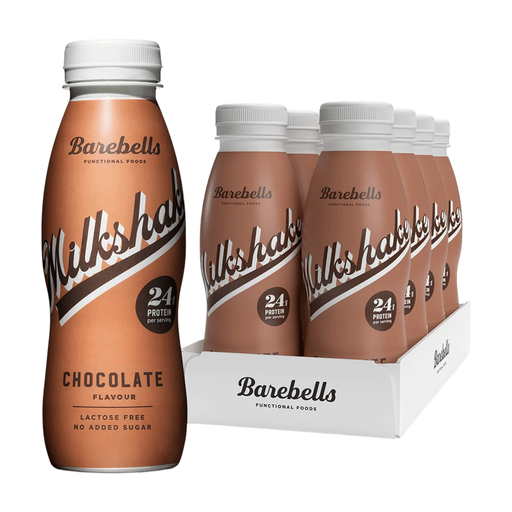 Image unavailable
If you’d rather choose a milk drink than whole milk, this chocolate milkshake comes in a pack of eight 330 ml bottles. Check the nutritional information per bottle and per 100 ml before comparing it with other drinks.
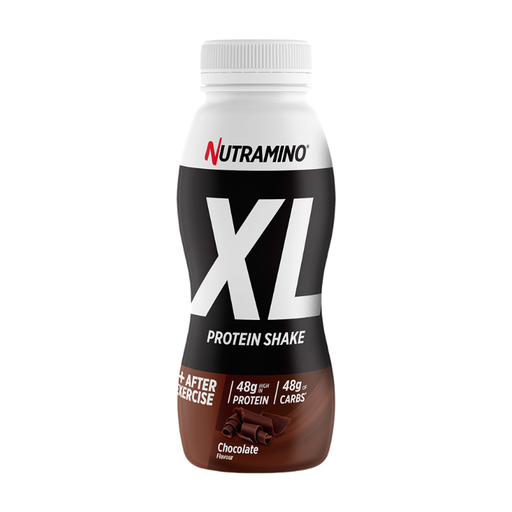 Image unavailable
If you’re comparing protein shakes rather than whole milks, this pack contains twelve 475 ml bottles. Also check the sugar content per 100 ml to compare the overall nutritional profile.
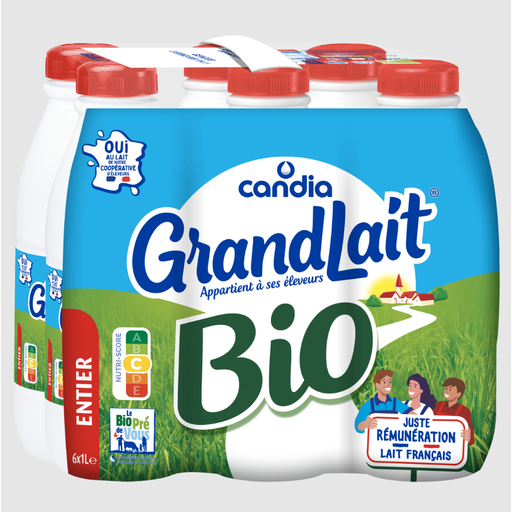 Image unavailable
If you want to keep liquid whole milk for drinking or cooking, this product comes in six 1 L cartons. Check the protein content per 100 ml and the instructions for after opening on the packaging of the product you buy.
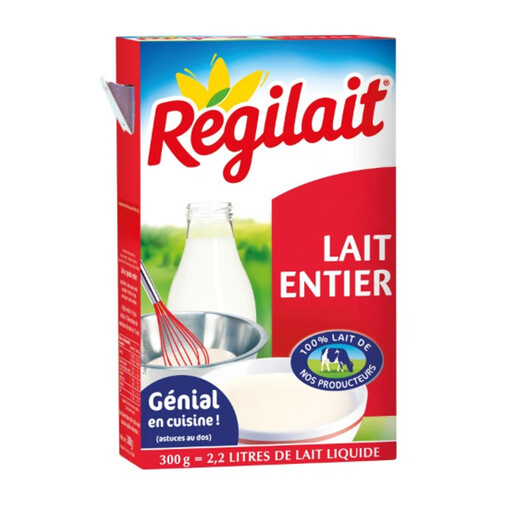 Image unavailable
If you want to make a drink or cook with whole milk powder, this product comes in a 300 g tin. Follow the reconstitution instructions before comparing the protein per portion with that of liquid milk.
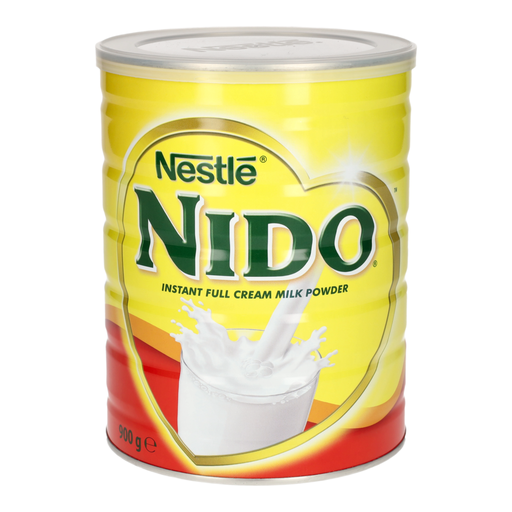 Image unavailable
If you prefer whole milk powder for drinks or recipes, this product comes in a 900 g tin. To work out the nutritional value of a glass, check the preparation instructions and nutritional information for the reconstituted drink.
No: “whole” does not mean “enriched with protein”. The Lactel, Candia and Auchan whole milks reviewed contain 3.2 to 3.3 g of protein per 100 ml, while Lactel Protéines and Candia+ Protéines each contain 5.0 g per 100 ml. Compare products using the same volume of drink.
It depends on what the recipe needs from the whole milk: Lactel Protéines and Candia+ Protéines do not have the same fat content as the whole milks compared here. If this matters for your recipe, check the product description and nutritional information before making the swap.
Follow the time and temperature stated on the product you buy. Lactel recommends storing the whole pasteurised milk reviewed at a maximum of 6 °C and using it within 3 days; the Auchan UHT products reviewed state 4 or 5 days, depending on the product.
No. Candia states that Candia+ Protéines contains less than 0.1 g of lactose per 100 ml, but its ingredients list includes skimmed milk and milk proteins. If you need to avoid these ingredients, check the ingredients list and allergen information rather than relying on the lactose information alone.