
Livraison le jour même ou le lendemain

Qualité garantie

Débloquez vos offres de bienvenue: Livraison GRATUITE | Jusqu'à -80 % | 30 jours d'essai gratuits à JoyPlus
Téléchargez l'application
A protein drink can make it easier to get your protein fix after a workout, on the go, or between meals. But there’s often a gap between what the packaging promises and what’s actually inside. A sweetened soya drink, a protein-enriched milk, and a whey protein blend don’t all serve the same purpose.
Before you place an order, watch out for three common pitfalls:
To compare a high-protein drink, start with the “protein” line on the nutrition table. According to the information provided, a 330 ml Barebells bottle gives you 24 g of protein, while a 120 g serving of Andros Sport provides 10 g.
These two formats aren’t really aimed at the same use. A ready-to-drink bottle is handy after training, whereas a powder lets you adjust the amount of water and the dose you use. For regular consumption, also look at the number of servings and the total quantity of product.
Protein contributes to the maintenance and growth of muscle mass as part of a balanced diet and appropriate physical activity. That doesn’t make a protein drink a medical product, and it shouldn’t replace your regular meals.
Whey proteins come from milk. They can suit people looking for a dairy-based protein source that’s easy to mix in a shaker, but they aren’t suitable for anyone with a milk protein allergy.
Be careful not to confuse “lactose-free” with “milk-free”. Barebells milkshakes are described as lactose-free, but their ingredients do contain milk and milk proteins. Lactase has been added to the formula. If you’re sensitive to milk, always check the allergen list.
Soya drinks are another option. Plant-based, they generally have a more modest protein content: Yeo’s Soy Drink states 2.3 g per 100 ml, while V-Soy Multi-Grain Soy Milk claims 2.7 g per 100 ml. These drinks can supplement your daily diet, but they’re not in the same league as a concentrated whey.
A protein drink may contain sugars, thickeners, flavourings, or sweeteners. None of these ingredients is automatically a problem, but their presence should match your habits and goals.
For consumption around your workout, check in particular:
A protein powder also requires a bit of care when measuring. Body & Fit Whey Perfection, for example, is prepared with a dose of around 28 g in 250 ml of water, according to the product sheet. The liquid you choose will then affect the energy content and texture of the drink.
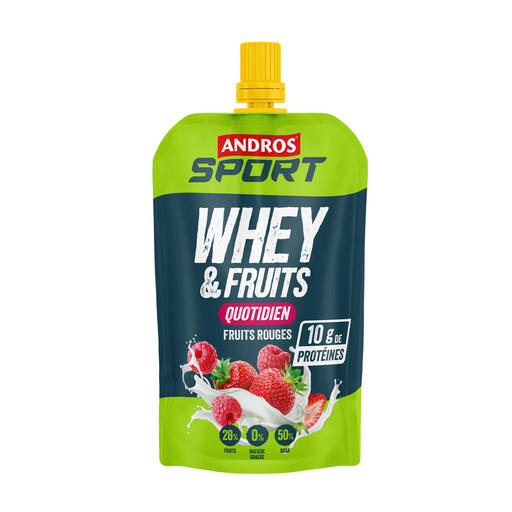
Why this choice suits this profile: This ready-to-drink format means you don’t have to invest in a shaker or a large tub of powder straight away. The 120 g serving provides 10 g of protein and slips easily into a bag.
The protein content is shown per serving, and the product is ready to drink. That makes it easy to tell the actual amount you’re consuming from a general claim on the packaging.
Made in France according to the product sheet, with no listed fat content and 28% fruit content.
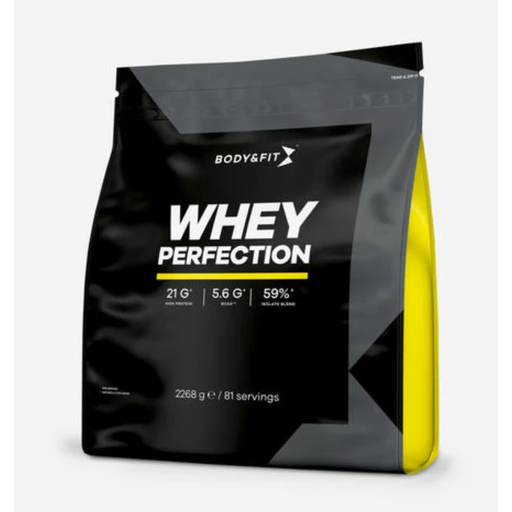
Why this choice suits this profile: Its large tub and blend of isolate, concentrate, and hydrolysate are aimed at people who regularly make shakes, smoothies, or protein recipes.
The product sheet specifies the 28 g dose, the 22 g of protein per serving, and the preparation method with 250 ml of water. That makes it easier to calculate the cost of each shake.
Approximately 81 servings stated, 22 g of protein per dose, and multiple uses including post-workout or between meals.
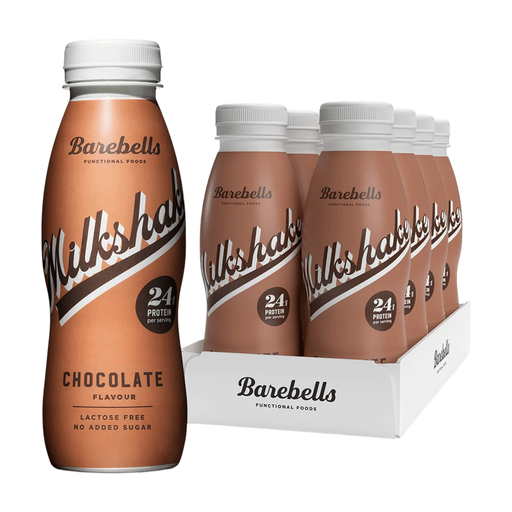
Why this choice suits this profile: This pack is ideal for anyone who wants to keep several ready-to-drink bottles at the office, in their gym bag, or at home, without having to measure out powder every day.
Each bottle provides 24 g of protein, and the values are given for 330 ml. The lactose-free claim should, however, be weighed against the milk allergen, which is clearly listed in the ingredients.
Individual 330 ml format, 24 g of protein per bottle according to the product sheet, no added sugars stated, and can be stored at room temperature before opening.
We’ve put together a comprehensive, real-time selection of products that meet these exacting criteria, while complying with European safety regulations.
No. It can be handy when you don’t have time for a proper meal or a regular snack, but your total daily intake is what really matters. A protein drink can supplement your diet after training, without necessarily replacing protein-rich foods.
Whey is a protein derived from milk. A soya drink is plant-based and generally contains less protein per volume in standard products. To make your choice, check the amount per serving, the allergens, and your dietary preferences. A lactose-free whey can still contain milk – the label is your best guide.
Follow the manufacturer’s instructions. Unopened bottles can often be stored at room temperature when the product sheet says so. Once opened, put them in the fridge and consume them quickly. For protein powder, seal the sachet or tub carefully, then store it in a cool, dry place away from light.