If you want crisps and are mainly looking for protein for a quick breakfast, compare potato-based recipes with added protein. If you don’t need the crunch, another protein-rich snack may also be worth considering. According to their manufacturers, IronMaxx, Valsoia and Pro!Brands declare 24 to 30 g of protein per 100 g for the products mentioned, compared with 5.9 to 6.5 g per 100 g for two Pom’Lisse crisps featured by E.Leclerc. Check the serving size, salt and ingredients for each product.
Who are these options for?
People in a hurry looking for a savoury, protein-rich snack
If you want a crunchy snack you can take with you, IronMaxx, Valsoia and Pro!Brands offer specialist recipes that combine potato with added plant protein. Compare their protein content with the amount you’ll actually eat.
Crisp lovers keeping an eye on salt or fat
Crisps with no added salt or oven-baked crisps may suit these specific preferences. However, neither characteristic tells you on its own whether a product is high in protein.
People who check ingredients and allergens
The protein source varies by recipe: pea protein in IronMaxx, and soya in the Valsoia and Pro!Brands varieties mentioned. Check the ingredients list and allergen information for the flavour you choose.
What should you look for?
First decide whether having crisps matters as much as getting protein. Classic crisps, a recipe with added protein and a different type of snack won’t all satisfy the same craving.
Crisps with added protein
Worth considering: if you want a crunchy potato-based snack while comparing products with higher protein content.
Bear in mind: the recipe includes other ingredients, such as pea or soya protein, depending on the product.
Classic crisps
Worth considering: if you’re mainly after potato crisps rather than a high protein content.
Bear in mind: the two Pom’Lisse products featured by E.Leclerc contain 5.9 and 6.5 g of protein per 100 g.
Another protein-rich snack
Worth considering: if crisps aren’t essential for your quick breakfast.
Bear in mind: a bar or fresh product won’t have the same texture as potato crisps.
| What to check |
What to look for |
Who is this for? |
| Protein content |
Compare protein per 100 g, then work out how much you’ll get from the amount you actually eat. |
If I’m having a quick breakfast after exercise, I want to know how much protein is in the pack rather than relying on the product name; around 42% of consumers put verifiable protein content first. |
| Ingredients and allergens |
Read the ingredients list and allergen information for the specific flavour. |
If certain ingredients don’t suit me, the protein source matters just as much as the snack format; around 33% of consumers prioritise finding a recipe that suits them. |
| Salt and suitability for breakfast |
Compare salt per 100 g and per serving, without confusing it with protein content. |
For a quick snack, I want to judge how much salt I’ll be eating and choose something that works with my meal; around 25% of consumers put salt and practical suitability first. |
Things to watch out for
-
Assuming protein crisps are the same as traditional crisps
The specialist recipes mentioned combine potato with pea or soya protein and, depending on the product, other flours. You can’t tell what they’re made from just by looking at their shape.
Check the ingredients before comparing the protein, salt and fat content of your chosen variety.
-
Confusing ‘no added salt’ or oven-baked with high protein
The Pom’Lisse crisps with no added salt featured by E.Leclerc contain 5.9 g of protein per 100 g. Lay’s presents its oven-baked range in terms of fat content, not as a high-protein range.
Choose the feature that matters to you, then check the corresponding figure in the nutritional information.
-
Overlooking the salt in a protein-rich recipe
Valsoia and Pro!Brands each state that the products mentioned contain 1.7 g of salt per 100 g. The amount you eat will therefore affect the figure you need to consider.
Work out the salt content for your serving before comparing products.
-
Ordering without checking the pack size
For IronMaxx Salt & Vinegar crisps, the title and the manufacturer’s description give different pack weights. This makes it harder to work out the protein content per pack.
Check the weight on the packaging of the product you order, along with its nutritional information.
Brands to compare
IronMaxx
The brand’s High Protein Potato Chips combine potato with pea protein.
- IronMaxx states that its Salt & Vinegar variety contains 30 g of protein per 100 g.
- The weight given for this variety differs between the title and description, so check the pack size on the packaging.
Valsoia
Its Chips Light crisps combine soya protein with potato ingredients.
- Valsoia states that they contain 24 g of protein per 100 g, or 6 g per 25 g pack.
- The recipe contains soya and may contain gluten.
Pro!Brands
The Chips Sea Salt variety combines potato with soya protein.
- Pro!Brands states that this variety contains 24 g of protein per 100 g.
- The recipe contains soya and may contain gluten.
Vico
The brand offers Fines Herbes lentil crisps, which are different from potato crisps.
- Vico describes this variety as a puffed snack made with lentil flour and gives it a Nutri-Score of B.
- The Nutri-Score alone doesn’t tell you how much protein a serving contains.
Lay's
The brand offers ranges of potato crisps, including an oven-baked range.
- Oven-baking may be worth considering if you’re comparing the fat content shown on the packaging.
- If you’re looking for protein, check the figures for the specific product rather than relying on how it’s cooked.
A snack to consider on Joybuy
If you’d rather have a snack you can take with you than potato crisps, this bar is another format to consider for a quick breakfast.
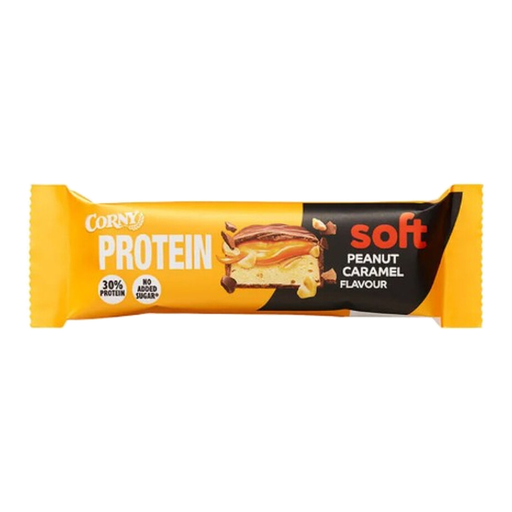 Image unavailable
Corny Protein Peanut Caramel, 45 g
A bar to consider if you’re looking for a snack to take with you and don’t need the crisp format. Before choosing it, check the packaging for the protein content per bar, as well as the ingredients and allergen information.
View on Joybuy
Frequently asked questions
What does ‘high in protein’ mean on crisps sold in France?
Under European Union Regulation (EC) No 1924/2006, this claim can only be used if at least 20% of the food’s energy value comes from protein. So a figure given in grams per 100 g isn’t enough on its own to establish whether a product meets this requirement.
Are oven-baked crisps or crisps with no added salt necessarily high in protein?
No. These claims relate to other characteristics. The Pom’Lisse crisps with no added salt featured by E.Leclerc contain 5.9 g of protein per 100 g; for oven-baked crisps, check the protein content separately.
Which ingredients should you check in crisps with added protein?
Check the protein source and allergen information for each flavour. The Valsoia and Pro!Brands varieties mentioned contain soya and may contain gluten; IronMaxx uses pea protein in its Salt & Vinegar recipe.
Should you check the salt content even if protein is your main priority?
Yes, because the two figures answer different questions. Valsoia and Pro!Brands state that the products mentioned contain 1.7 g of salt per 100 g, so also compare the salt content for the portion you plan to eat.


