Parents preparing an everyday snack
If the bar appeals because it’s convenient, start by making sure snacks are varied. For children aged 4 to 17, Manger Bouger recommends limiting foods that are high in fat and sugar as part of their everyday diet.


For a child’s everyday snack, a high-protein chocolate bar shouldn’t be the default choice: Manger Bouger recommends varying snacks and limiting foods that are high in fat and sugar. For a teenager looking for a convenient snack now and then around sports, compare the whole bar, its sugars, ingredients and allergens. The word ‘protein’ alone doesn’t mean the bar meets their needs.
If the bar appeals because it’s convenient, start by making sure snacks are varied. For children aged 4 to 17, Manger Bouger recommends limiting foods that are high in fat and sugar as part of their everyday diet.
A ready-to-go bar may be useful now and then around an activity. That doesn’t mean extra protein is necessary: Anses cautions against assuming that a typical diet is inherently inadequate for sporting goals.
If your child needs to avoid an ingredient, check the exact recipe before they eat it. DGCCRF advises that allergens must be highlighted in the ingredients list on pre-packed foods.
For a regular snack, first consider how the bar fits into a varied snack routine. If it’s for an occasional sports-related need, then check the portion and the exact product’s ingredients.
| What matters | What to check | Who this matters to |
|---|---|---|
| Everyday snacks | Compare the whole bar and its sugar content with a varied snack; also check the fat content on the label. | When I prepare a snack every day, I don’t want the protein claim to overshadow the rest of my child’s diet. Around 40% of consumers put this everyday balance first. |
| Occasional sport | Check the protein per bar and consider whether this snack meets a specific need around the activity. | For a sports session, I sometimes look for something easy to carry, without assuming a bar will improve recovery. An occasional sports-related need comes first for around 30% of consumers. |
| Ingredients | Check the ingredients, highlighted allergens and whether the product contains sweeteners. | If an ingredient needs to be avoided, the flavour name alone doesn’t tell me enough about the recipe. Around 20% of consumers make this their main concern. |
| Convenience | Check the individual weight and how much the whole bar counts as a portion. | When travelling or going out, I sometimes prefer a wrapped snack that needs little preparation. Ease of carrying is the priority for around 10% of consumers. |
A bar’s protein content doesn’t tell you how much sugar or fat it contains. Manger Bouger recommends varying children’s snacks and limiting foods that are high in fat and sugar.
Read the nutritional information for the portion your child will eat, and consider the bar as part of their overall snack routine rather than deciding based on the front of the pack alone.
A high-protein product may be marketed for weight loss or as a meal replacement. Manger Bouger says that weight-loss diets should be avoided for children.
Don’t choose a diet bar as a child’s regular snack just because of how it’s marketed. If you have questions about your child’s diet or weight, seek personalised professional advice.
According to Santé publique France, displaying Nutri-Score is voluntary. Its absence therefore tells you nothing conclusive about a product, and its presence alone doesn’t tell you about portion size or allergens.
If it appears on the pack, use it to help compare similar products, then check the ingredients list and nutritional information.
A recipe may contain several ingredients to check, including nuts, milk or soya. Some bars also contain sweeteners.
Read the label for the exact product, including after a change to the pack size or recipe.
A sports-snack version of the Mars bar.
A bar that SNICKERS presents as a protein snack between meals or around a workout.
Carrefour’s chocolate protein bar contains sunflower seeds, pumpkin seeds, almonds and dark chocolate, among other ingredients.
The chocolate version listed by E.Leclerc is a 28 g bar categorised as sports nutrition.
The product listed by E.Leclerc is marketed as a high-protein weight-loss bar and contains sugars and sweeteners.
These protein chocolate bars are worth considering as an occasional snack to take with you, particularly around a sports activity. Their inclusion here doesn’t mean extra protein is necessary or that they’re suitable as a child’s everyday snack.
 Image unavailable
Worth considering as an occasional sports-related snack, rather than as an established everyday snack for a child.
This is a 55 g bar. The listed recipe contains milk, peanuts, soya and sweeteners. Check the label and make sure it’s suitable for the child’s age before buying.
 Image unavailable
Its individual size may be worth considering when a snack is needed occasionally after an activity.
The bar weighs 55 g. The listed ingredients include milk, soya, almonds and sweeteners. Check the exact recipe and intended age group.
 Image unavailable
This multipack is intended for an occasional sports snack; that doesn’t establish its nutritional value for a child.
Each bar weighs 60 g. The listed ingredients include milk, soya and sweeteners. The product information warns that excessive consumption may have a laxative effect. Check the pack for any other allergens.
 Image unavailable
This multipack may be worth considering as a snack to take with you after an activity, rather than as a regular snack option.
Each bar weighs 65 g. The listed recipe contains milk, soya, wheat and sweeteners. Compare the whole portion and check the allergens on the pack being sold.
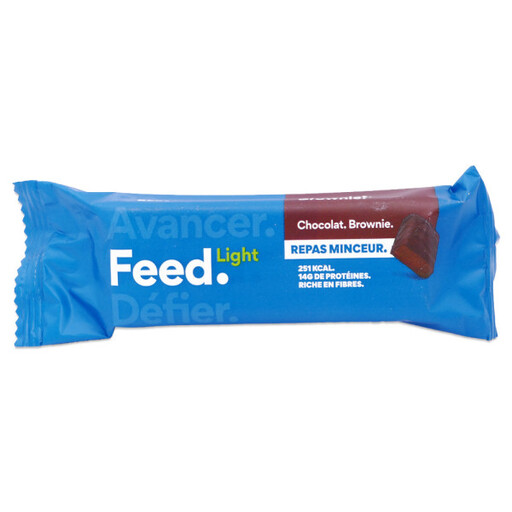 Image unavailable
This chocolate bar may be worth considering when comparing different snacks to take with you, but don’t assume it’s suitable for a child’s snack.
The listed size is 70 g. The listed ingredients include soya, hazelnuts and sweeteners. To assess the portion, read the nutritional information on the exact pack.
No: the levy described by the Ministry of the Economy applies to sugary drinks, not solid chocolate bars. To compare bars, check the sugars in the nutritional information and the ingredients list.
No. Santé publique France explains that displaying it is voluntary. If it appears on the pack, it can help you compare similar products, but it doesn’t replace checking the portion, ingredients and allergens.
It shouldn’t be the default everyday choice. For children aged 4 to 17, Manger Bouger recommends varied snacks and advises limiting foods that are high in fat and sugar. A bar’s protein content doesn’t, on its own, change its place in the diet.
Read the ingredients list for the exact product before your child eats it. DGCCRF says allergens must be highlighted on pre-packed foods. A chocolate flavour doesn’t tell you whether a product is free from milk, soya or nuts.
No: a product’s intended use for sport doesn’t demonstrate a recovery benefit for a child. Anses cautions against assuming that a typical diet is necessarily inadequate for sporting goals. If you have questions about individual needs, seek professional advice tailored to the situation.