Adults looking for a post-workout snack
You might be comparing a bar that combines protein and carbohydrates with a chocolate snack designed primarily to keep sugar levels down. These two types of bar meet different needs.


For adults, start by thinking about how you’ll use the bar. A bar containing both protein and carbohydrates may suit you as a post-workout snack, while one with more protein and less sugar meets a different need. For an Easter egg hunt, don’t automatically hand these bars out as treats for everyone. Check the age guidance, allergens and ingredient warnings on each pack.
You might be comparing a bar that combines protein and carbohydrates with a chocolate snack designed primarily to keep sugar levels down. These two types of bar meet different needs.
Check the amount per bar before you choose. Alongside protein and sugar, consider the energy content, ingredients and warnings on the packaging.
You’re thinking of adding chocolate bars to a group event. If participants vary in age or have different allergies, a bar designed as an adult’s sports snack isn’t automatically a suitable treat for everyone.
For an Easter egg hunt, decide whether the bar is for an adult’s personal snack or to hand out to participants. Then compare the labels with that use in mind.
| Priority | What to check | Who it’s for |
|---|---|---|
| Post-workout snack | Compare protein, carbohydrates and sugar per bar; distinguish a recovery formula from a regular snack. | After a demanding workout, I’m looking for a bar that combines protein and carbohydrates, rather than choosing a product solely because it’s low in sugar. Around 29% of consumers put this combination at the top of their list. |
| Protein and sugar | Check the values per serving, along with the product’s ingredients and warnings. | For my snack, I want to compare the amount of protein and sugar in the bar I’m going to eat first. Around 36% of consumers are said to prioritise this. |
| Allergens and polyols | Check the exact product packaging for allergens, possible traces, polyols and warnings. | If I have concerns about certain ingredients, I need to be able to check the ingredients list before comparing other values. Around 21% of consumers are said to prioritise this check. |
| Sharing at an event | Before handing out bars, check the recommended age, product-specific contraindications and allergens. | When I’m choosing a bar for several participants, my first priority is making sure it’s suitable for the people who’ll receive it. Around 14% of consumers are said to put suitability first. |
Ingredients and precautions vary from one product to another. Decathlon states, for example, that its 60 g High Protein Chocolate bar isn’t suitable for under-14s; this restriction doesn’t apply to all bars.
Before putting together the Easter egg hunt bags, check the label for each product and reserve bars intended for adults for the relevant participants.
According to Decathlon, its Chocolate Recovery Bar contains 20 g of protein and 20 g of sugar per 60 g bar. This differs from its High Protein Chocolate bar, which is listed as containing 30 g of protein and 0.6 g of sugar per 60 g.
Decide which profile you’re looking for, then compare the values per bar instead of relying on the word ‘protein’ alone.
Dieti France states that its Dietisnack Fluffy Chocolate bar contains more than 10% polyols and warns that excessive consumption may have a laxative effect.
Read the ingredients and warnings for the product you’re considering, particularly before buying bars for a group.
In France, Santé publique France states that displaying the Nutri-Score is voluntary. The European Commission says that nutrition labelling is required for the vast majority of pre-packed foods.
If there’s a Nutri-Score on the packaging, consider it alongside the nutrition information, ingredients list and allergens. Don’t draw conclusions from its absence.
Two chocolate bars presented for different uses: a High Protein formula and a recovery formula.
A chocolate protein bar that Punch Power presents as a snack to have around your workout.
A Fluffy Chocolate bar to consider if the values per serving and ingredients are your main priorities.
A chocolate bar to assess by checking its ingredients list, rather than confusing it with a sports recovery formula.
This selection includes chocolate bars presented as snacks to have around your training, as well as two FEED bars intended for a different use. Choose according to the stated use of each product and check its packaging before adding it to an Easter egg hunt.
 Image unavailable
Worth considering as a snack around your training, rather than as a treat to hand out without checking first. The bar weighs 55 g. Check the packaging for polyols and information about milk, peanuts, soya and possible traces of other allergens.
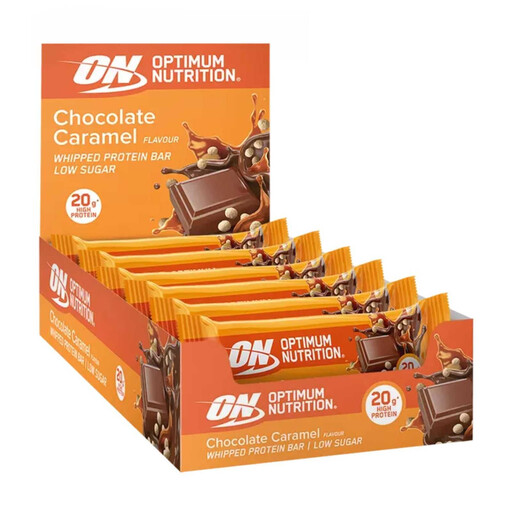 Image unavailable
This multipack may suit you if you’re looking for chocolate caramel snacks after training, but that doesn’t make it a recovery formula combining protein and carbohydrates. Check the polyols, the warning about excessive consumption and the information about milk, soya and possible traces of other allergens.
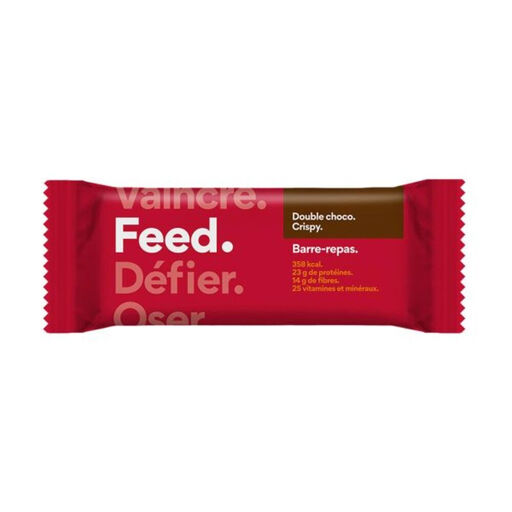 Image unavailable
This 100 g bar is presented as a meal bar, not as a bar specifically intended for post-workout recovery. If you’re comparing it with sports snacks, check its stated use and sugar per serving. Also look for information about gluten, milk and possible traces of other allergens.
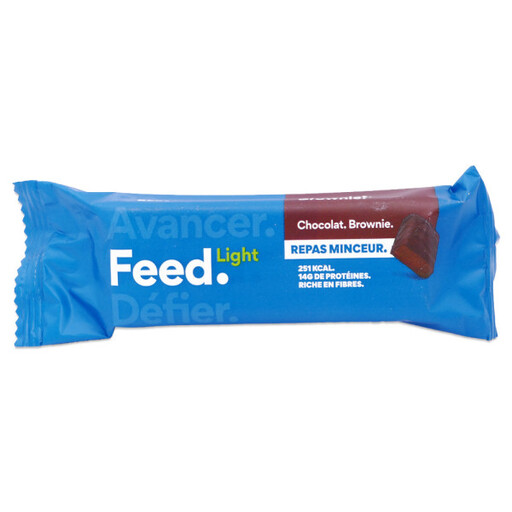 Image unavailable
This 70 g chocolate brownie bar may appeal if you’re comparing options containing plant protein; it isn’t presented here as a sports recovery formula. Check the amount of protein per bar on the packaging before comparing it with another serving. Also look for information about soya, hazelnuts and sweeteners.
No. The French Ministry of the Economy says the levy applies to sugary drinks, not chocolate bars. To compare two bars, look at the sugar values in their nutrition information instead.
No. Santé publique France says that displaying it is voluntary. The European Commission states that nutrition information is required for the vast majority of pre-packed foods. Compare the values per 100 g and per serving, where given, as well as the ingredients list.
Don’t assume it’s suitable: Decathlon states that its 60 g High Protein Chocolate bar isn’t suitable for under-14s. This guidance applies to that specific product, so check the recommended age and allergens for every product intended for participants.
No. Decathlon lists 20 g of protein and 20 g of sugar per 60 g bar for its Chocolate Recovery formula, which combines protein and carbohydrates. If your priority is keeping sugar down, compare the grams per bar rather than assuming the two formulas are intended for the same use.