People who count protein per serving
The amount listed per bar helps you assess it as a snack without relying solely on the word ‘protein’.


When choosing a chocolate bar as part of a high-protein diet, check the protein content per serving, then compare the fat and sugar content per 100 g and per bar. The word ‘protein’ does not mean the recipe is lower in fat: check any reduction claim and what the product is being compared with.
The amount listed per bar helps you assess it as a snack without relying solely on the word ‘protein’.
Comparing the figures per 100 g and per serving helps you distinguish a bar’s nutritional profile from any claim that it is lower in fat.
Sugars, sweeteners and allergens can matter just as much as protein content when making your choice.
Start by checking the weight of the bar: figures per serving are only directly comparable if you take serving size into account.
| Criteria | What to check | Who it matters to |
|---|---|---|
| Protein per serving | The grams of protein per bar and the weight of that bar. | If you want to know how much protein your snack provides, the amount per bar matters more than a claim on the front of the pack; around 42% of consumers prioritise this. |
| Fat | Fat and saturated fat per 100 g, then per bar; check what it is being compared with if a reduction is claimed. | If your main aim is to limit fat, a recipe described as high in protein is not enough to decide. Around 33% of consumers put this criterion first. |
| Sugars and ingredients | Sugars, the ingredients list, allergens and any sweetener warnings. | A bar may suit your needs for its protein content but contain an ingredient you want to avoid; around 25% of consumers prioritise this check. |
Carrefour France’s product page for the Carrefour Sensation bar lists 14 g of fat in a 32 g bar. Describing it as a protein bar does not, on its own, tell you whether its fat content is reduced.
Compare the figures per 100 g and per bar. If a reduction is claimed, check the claim and what it is being compared with.
The FULFIL chocolate, peanut and caramel bar featured by Carrefour France contains maltitol and sucralose, among other ingredients. The Powerbar Protein Plus Bar product page also warns that excessive consumption may have a laxative effect.
Check the ingredients list and warnings for the variant you choose, particularly if you want to avoid certain sweeteners.
Ingredients and ‘may contain’ statements depend on the exact recipe, even within the same range.
Check the label for the flavour and format you’re buying rather than relying on information for a different product.
According to Santé publique France, displaying the Nutri-Score is voluntary. Its absence alone does not tell you what a bar contains.
If it appears on the packaging, consider it alongside the nutritional values, ingredients list and serving size.
These products offer useful points of comparison for protein, fat and ingredients. A stated protein content does not establish that a product is lower in fat.
The 55 g chocolate and peanut bar is presented as a high-protein snack.
The Protein Plus Bar 30% Chocolate is a protein bar sold in an individual serving.
The chocolate, peanut and caramel product combines protein with a recipe containing sweeteners.
This chocolate protein bar contains seeds and almonds, among other ingredients.
The milk chocolate bar is included here as a classic chocolate bar for comparison, not as a protein bar.
These two FEED bars are presented as chocolate meal replacement bars. To see how they fit your goals, check the protein per serving and fat per 100 g; don’t assume they carry a claim that they are lower in fat.
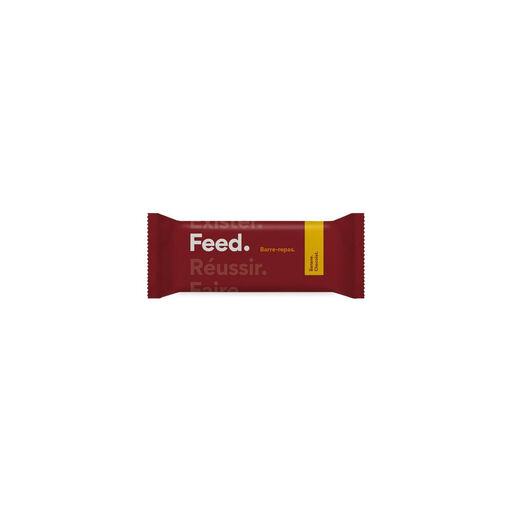 Image unavailable
Worth considering if you’re looking for a meal replacement bar with a banana and chocolate flavour. To support your protein goals, compare the nutritional values per bar and check the ingredients, along with any fat-related claims on the packaging.
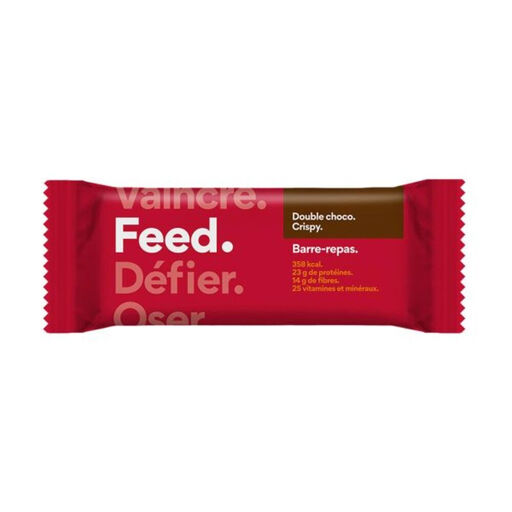 Image unavailable
Worth considering if you prefer a chocolate meal replacement bar. Compare the protein, fat and sugars on the same basis as the other bars you’re considering, then check the ingredients for this variant.
Don’t assume it is because it is described as ‘high in protein’. Look for a claim that it is lower in fat and check what it is being compared with. Then compare the fat content on a like-for-like basis, particularly per 100 g. European Regulation (EC) No 1924/2006 governs nutrition claims made about food.
No. Santé publique France states that displaying it is voluntary; Anses distinguishes this additional guide from mandatory nutrition information. If it is not shown, check the nutrition declaration and ingredients list.
No. The French Ministry of the Economy describes this levy as applying to drinks, not chocolate bars. The sugar content of a bar is still worth checking in its nutritional information, regardless of the tax.
Check the allergens in the exact recipe, any ‘may contain’ statements and whether it contains sweeteners. Some of the products featured contain milk, soya, peanuts or nuts, among other ingredients. Don’t assume the ingredients in one flavour are the same as in another.