Active guests around a workout
An individually wrapped bar can make a handy snack to take with you or enjoy during a break. To compare recipes, check the amount of protein in the bar you’ll actually eat, without assuming it will help with recovery.


A protein cereal bar can be a useful addition to your Christmas spread if you’d like to offer a sweet, individually portioned snack, particularly for someone looking for a snack to enjoy around a workout. It shouldn’t be the only option on a varied spread: compare the nutritional values per bar and check the ingredients and allergens in each recipe before serving them to a group.
An individually wrapped bar can make a handy snack to take with you or enjoy during a break. To compare recipes, check the amount of protein in the bar you’ll actually eat, without assuming it will help with recovery.
A bar can sit alongside savoury bites rather than replace them. Flavour, portion size and whether you can leave the wrappers out for guests to read all matter when everyone is choosing what suits them.
Before putting out a selection of bars, check their ingredients, allergens and any ‘may contain’ statements. Choosing a different flavour or brand doesn’t guarantee that a bar will meet the same dietary requirements.
For your Christmas spread, first decide whether you want an individually portioned snack, something convenient to serve or an option that meets specific ingredient requirements. A protein bar and a bar containing cereal aren’t necessarily the same type of product.
| What to consider | What to check | Who is it for? |
|---|---|---|
| Protein per portion | Compare the protein and weight per bar; also check the sugars, fat and salt per portion. | If I’m planning an individual snack to enjoy around a workout, I want to know what’s in the bar I’ll eat, not just the value per 100 g. Around 40% of consumers prioritise this. |
| How it fits into the spread | Check the number of portions, whether they’re individually wrapped and how sweet the recipe is. | If I want to complement savoury bites without preparing another snack, I’m looking for easy-to-serve portions. This is the top priority for around 30% of consumers. |
| Ingredients and allergens | Read the ingredients list, highlighted allergens and any ‘may contain’ statements for each variety. | When several guests may help themselves, I need to be able to identify what each bar contains before serving it. Around 30% of consumers put this check first. |
The protein content alone doesn’t tell you everything about the rest of the recipe. Bars can also vary in weight, which affects how much you consume per portion.
For each bar, compare the protein, sugars, fat and salt rather than focusing only on the claim highlighted on the packaging.
Recipes listed by Kellogg's France and Carrefour France include ingredients such as peanuts, milk, soya and nuts, depending on the product. Ingredients and ‘may contain’ statements can vary from one bar to another.
Keep the packaging to hand, check each variety and have an alternative ready if you know someone has specific dietary requirements.
An individually wrapped bar can complement the spread, but it won’t satisfy everyone looking for savoury or shareable bites.
Decide how you’ll serve it before you buy: as a snack for one, an extra sweet option or a wrapped product guests can pick up and read the label on.
This common basis makes it easier to read nutritional information, but it won’t always match the amount eaten when a bar is a single portion.
Also check the weight and nutritional values per bar to compare the portions you plan to serve.
Kellogg's France features a High Protein Salted Caramel bar made with peanuts and almonds.
Carrefour France and Auchan France feature Nature Valley protein bars, including packs of four 40 g bars.
The Carrefour France catalogue features several protein bar recipes under this brand, including products in a 4 × 32 g format.
Carrefour France features a Good Moov organic protein bar with dark chocolate, in a 46 g portion.
This selection includes protein bars for individual snacking and a blueberry energy bar. For your Christmas spread, choose based on portion size and ingredients rather than treating all these bars as equivalent cereal bars.
 Image unavailable
A pack of individually portioned protein bars to consider as a snack around a workout. Before serving them to a group, check the allergens and nutritional information on the packaging for this variety.
 Image unavailable
A 55 g protein bar to consider if you’re looking for an individual snack. If a guest follows a particular diet, check the ingredients list for this recipe before serving it.
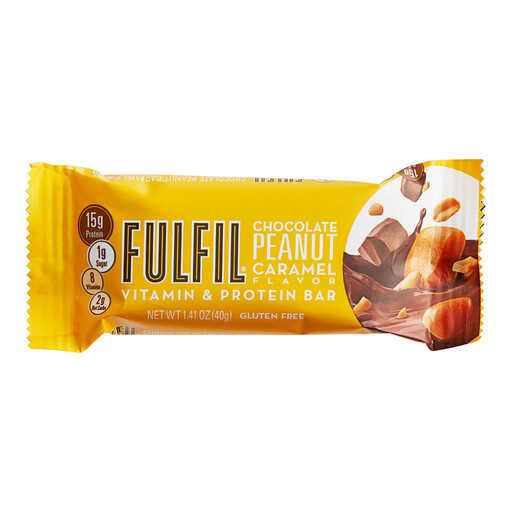 Image unavailable
A 40 g bar option for planning individual portions. Check how many bars are in the pack before setting up the buffet, then check the allergens on the packaging.
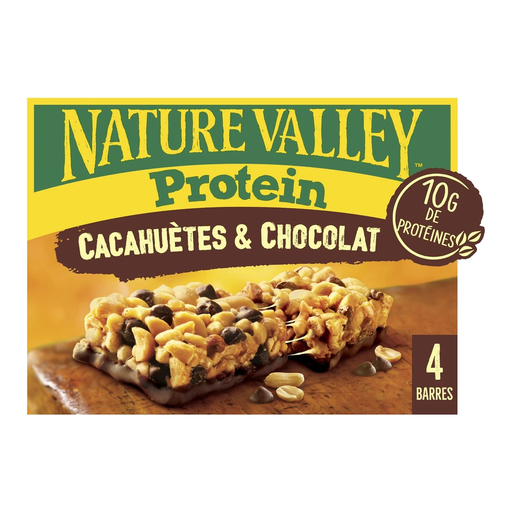 Image unavailable
The pack of four 40 g bars makes it easy to set out individual portions. Check the exact recipe and label before serving them to guests with dietary requirements.
 Image unavailable
A blueberry energy bar to consider as a different option from bars specifically labelled as protein bars. At 68 g per bar, it’s worth comparing its portion size with the others, as well as checking the nutritional values and allergens in the recipe.
In the European Union, Regulation (EC) No 1924/2006 permits this claim when protein provides at least 20% of the food’s energy value. The claim alone doesn’t tell you about the sugars or allergens, or whether the bar is suitable for your needs.
When choosing an individual portion, start by checking the protein per bar and the bar’s weight. Values per 100 g are still useful for comparing recipes on a like-for-like basis; also check the other nutritional information per portion.
Check the ingredients and allergens in each variety before serving, and keep the packaging to hand. EU labelling rules require allergens present in the ingredients list of prepacked foods to be emphasised; also check for any ‘may contain’ statements.
No. Its protein content is one factor to consider alongside the portion size and the rest of its ingredients, not a promise of recovery. When choosing between two bars, compare what you’ll actually consume and any ingredients that matter to you.
Keeping the individual wrappers available lets guests check the ingredients, allergens and nutritional information. Also follow the storage instructions on the packaging of the product you buy.