What should you check before buying?
For a regular snack, start by looking at the overall nutritional content. If the bar is mainly for convenience after an activity, then check the portion size and any requirements specific to your child.
| Criteria |
What to check |
Who is it for? |
| Nutritional content |
Compare sugars, fats, fibre and protein per 100 g, then per bar. Check the ingredients too. |
For a frequent packaged snack, I want to know more than just its protein content. Around 45% of consumers rank overall nutritional content as their main concern. |
| Format for after an activity |
Check the bar’s weight and the protein listed for the portion actually eaten. Don’t assume it will aid recovery. |
When a snack needs to fit in a bag for after school or sport, I prefer a format that’s easy to carry. Convenience combined with an interest in protein is the main need for around 33% of consumers. |
| Allergens and texture |
Read the highlighted allergen information and consider whether there are pieces that suit your child’s age and ability to chew. |
If allergies or texture limit the available options, these considerations come before the appeal of a protein bar. Around 22% of consumers rank them as a priority. |
Bars available on Joybuy
This selection includes two Corny Protein bars to consider for a snack on the go, plus three other protein bars. For the latter, the product name alone isn’t enough to classify them as cereal bars. None should be chosen for a child solely because the packaging mentions protein.
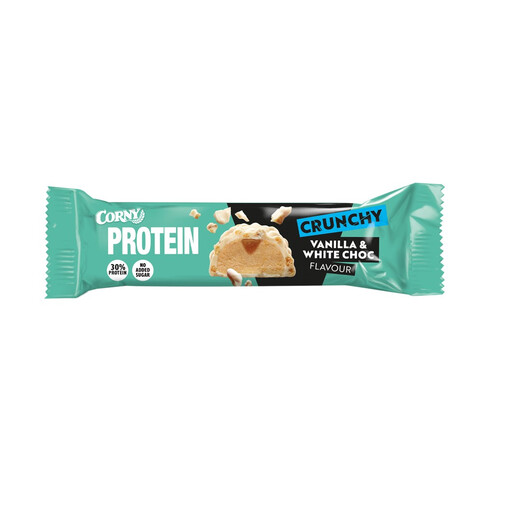 Image unavailable
Corny Protein vanilla and white chocolate flavour, 45 g
The 45 g format may be a handy option for a snack on the go. Before offering it to a child, check the packaging for the ingredients, allergens and nutritional information per serving.
View on Joybuy
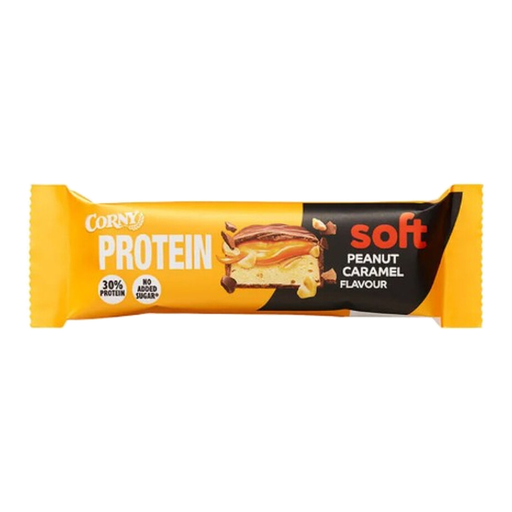 Image unavailable
Corny Protein peanut and caramel flavour, 45 g
This 45 g bar is a single-portion option. As it’s peanut-flavoured, it’s essential to check the allergens on the packaging, especially if your child has a relevant allergy.
View on Joybuy
 Image unavailable
nu3 Fit Protein Bar salted caramel flavour, 55 g
If you’re considering this 55 g protein bar as a snack to take with you, check its ingredients and portion size first. Its name alone doesn’t mean it can be described as a cereal bar or that it’s suitable as a child’s snack.
View on Joybuy
 Image unavailable
Optimum Nutrition Whipped Protein Bar peanut and salted caramel flavour, 60 g × 10
This pack of ten 60 g bars is a protein bar product, not identified as cereal bars. For a child’s snack, check the ingredients list, allergens and portion size; the flavour alone doesn’t tell you what’s in it.
View on Joybuy
 Image unavailable
Optimum Nutrition Marshmallow Crunch Protein Bar, 650 g, 10 bars
This pack of ten protein bars weighs 650 g in total; the name alone doesn’t mean they can be classified as cereal bars. If you’re considering them for a snack, check the portion size of each bar and the ingredients and allergens listed on the packaging.
View on Joybuy
Frequently asked questions
What does ‘high in protein’ mean on a bar?
Under European Regulation (EC) No 1924/2006, at least 20% of a product’s energy value must come from protein for it to carry this claim. It doesn’t guarantee that the bar is low in sugars or fats, or that it will aid recovery after sport.
How can I compare two bars for a child’s snack?
Compare their sugars, fats, fibre and protein per 100 g, then per serving, and check the ingredients and allergens. If the packaging shows a Nutri-Score, it can help with your comparison, but it doesn’t replace reading the nutritional information.
Are peanut or almond bars suitable for every child?
No. A recipe containing these ingredients should be avoided if your child has the corresponding allergy. Check the highlighted allergens on the packaging and, for a young child, also look for any pieces that may be difficult to chew.
Does a child need a protein bar after sport?
Taking part in sport doesn’t, by itself, mean a child needs a protein bar. If you have a question about their growth, diet or a particular sporting activity, seek advice tailored to their needs rather than relying on a recovery claim on the packaging.


