
Livraison le jour même ou le lendemain

Qualité garantie

Débloquez vos offres de bienvenue: Livraison GRATUITE | Jusqu'à -80 % | 30 jours d'essai gratuits à JoyPlus
Téléchargez l'application
Are you looking for a simple way to increase your protein intake, support your weight-training sessions or make recovery after exercise easier? From powders and ready-to-drink shakes to bars you can pop in your bag, there is no shortage of choice. Marketing claims, however, do not always make it easy to compare products.
Before ordering whey, another protein powder or a bar for when you are out and about, keep these three pitfalls in mind:
To compare a protein powder for weight training with a protein bar, start by looking at what a serving actually provides. The selection featured here includes:
This figure should not be considered in isolation from the rest of your diet. Protein helps maintain and develop muscle mass as part of a varied diet and healthy lifestyle. A supplement is therefore not intended to replace meals.
Whey protein comes from milk. It is generally available as concentrate, isolate or a blend of the two. It is particularly popular because it is quick to prepare and convenient to use around your workout.
Another milk protein, micellar casein, is thicker and digests more gradually. It may suit you if you prefer to take your protein in the evening or between meals, although this is not an absolute rule.
To avoid unwelcome surprises in everyday use, also check:
A large tub often lowers the price per serving, but you need to be able to store it in a dry place and use it regularly. Individual sachets are more practical at work, in a gym bag or when travelling. Bars can be eaten straight away, with no shaker or preparation required.
For products designed to meet a particular nutritional need, follow the label and usage recommendations precisely. Nestlé Instant Resource Protein, for example, is presented as a food for special medical purposes. Its use may require advice from a healthcare professional, and it must not be used as the sole source of nutrition.
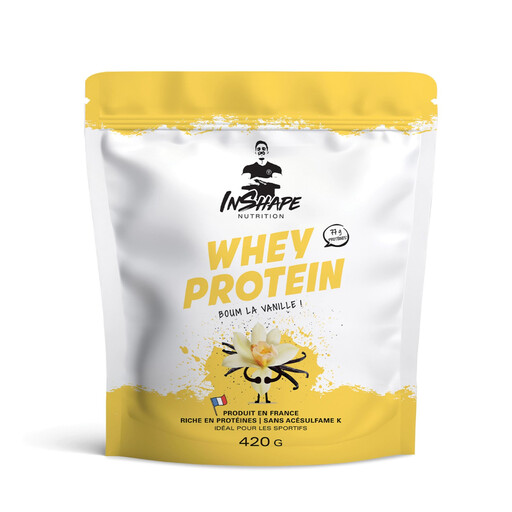
Why it suits this profile: At 420 g, this format lets you get started without committing to a large tub straight away. A 30 g serving provides 23.1 g of protein and mixes just as well with water as with milk.
The protein content is given per serving and per 100 g, making it easy to compare this product with other powders. The presence of milk is clearly indicated.
23.1 g of protein, 1.3 g of fat and 2.6 g of sugars per 30 g serving.
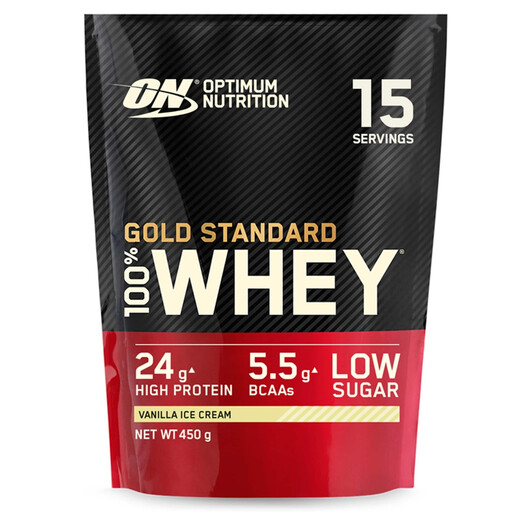
Why it suits this profile: This whey protein blend is aimed at athletes who want a detailed composition, vanilla flavour and fuss-free preparation after their workout.
The product details set out the blend’s composition, the milk and soya allergens, and the nutritional values for a serving of around 30 g.
24 g of protein, 1 g of sugars and approximately 119 kcal per serving, in a 450 g format.
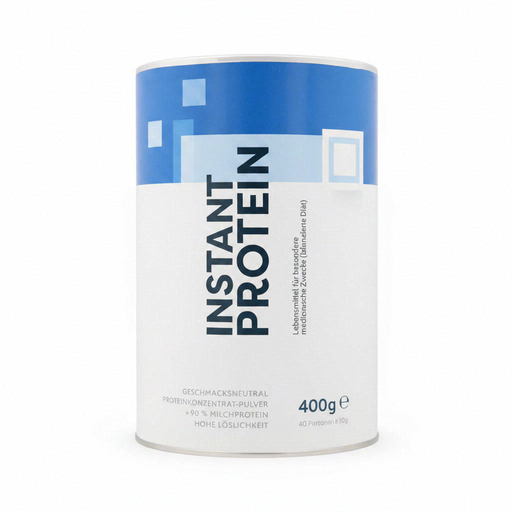
Why it suits this profile: This unflavoured powder is designed to enrich drinks or food preparations. It meets specific nutritional needs rather than simply serving as a post-workout snack.
The product details state that this is a food for special medical purposes. Professional advice may be required before use.
91 g of protein per 100 g, low fat and the option to add it to hot preparations up to 70 °C.
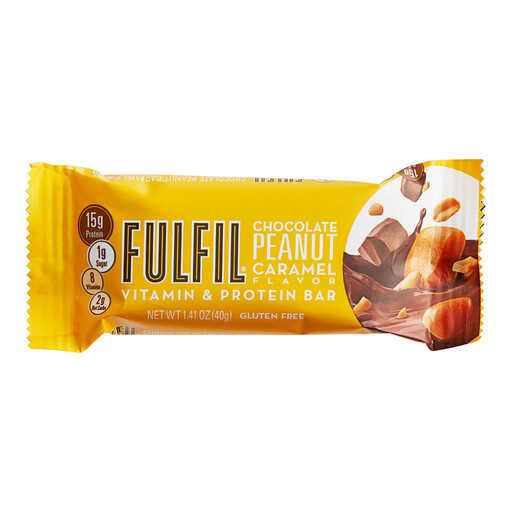
Why it suits this profile: Individually wrapped, this bar fits neatly into a gym bag, desk drawer or suitcase. No shaker or preparation required.
The product details clearly separate sugars, carbohydrates, fibre and polyols, rather than reducing the product to the single claim “high in protein”.
15 g of protein and 1 g of sugars per 40 g bar, with convenient individual wrapping.
We have put together a complete, real-time selection of products that meet these strict criteria and European safety requirements.
Follow the serving size shown on the packaging and use the scoop provided or a suitable measuring utensil. Depending on the manufacturer’s recommendations, the powder can be mixed with water or milk, or added to yoghurt, porridge or a smoothie.
For recovery after exercise, the timing of consumption generally matters less than your total daily intake and the overall balance of your diet. A bar can tide you over when you cannot eat straight away, but it does not automatically replace a complete meal.
Store powders in a cool, dry place away from light, and close the container carefully after each use. Check the best-before date, the condition of the sachet and any allergen information. If you are pregnant, taking medication, have an illness or have specific nutritional needs, ask a healthcare professional for advice before taking a supplement.
Whey is a milk-derived protein, valued in particular for its quick preparation. Micellar casein is thicker and digests more gradually. The choice mainly depends on your preferences, diet and when you want to consume it.
Not as a general rule. It provides a convenient serving of protein, but its composition is usually less complete than that of a varied meal. Also check its fat, fibre, carbohydrate, polyol and allergen content.
Follow the manufacturer’s instructions. In all cases, keep the tub tightly closed, in a dry place away from light. If the powder’s smell, texture or appearance has changed, it is best not to consume it.