Anyone looking for a snack at work
If you keep a bar in your bag or at work, check what you’ll get from the portion you plan to eat: protein, sugars and energy. Check the ingredients too before making it a regular snack.


For a break at work, choose a protein bar by first comparing the portion you’ll eat, then its protein, sugars, ingredients and allergens. It can make a handy snack, especially between work and exercise, but its protein content alone doesn’t make it a complete lunch.
If you keep a bar in your bag or at work, check what you’ll get from the portion you plan to eat: protein, sugars and energy. Check the ingredients too before making it a regular snack.
An easy-to-carry bar can be a good option between the office and a workout. Choose one based on when you plan to eat it and what else you eat, without assuming it can replace lunch.
If you need to avoid an allergen or keep an eye on your polyol intake, check the exact recipe. The bars mentioned here differ in their ingredients and in any warnings about possible traces.
For a break at work, start with the portion you’ll actually eat. Then compare its nutritional profile based on what matters most to you.
| Criteria | What to check | Who is it for? |
|---|---|---|
| Protein per bar | The amount per serving and the serving weight; values per 100 g help you compare different sizes. | If the bar is meant to tide you over until a later meal, knowing how much protein is in a serving is the priority. Around 33% of consumers put this first when choosing. |
| Sugars and energy | Sugars and calories per serving, followed by the ingredients list. | When choosing a snack, rather than relying on a claim on the packaging, some people want to know the sugar and energy content of each bar. Around 25% of consumers say this is their main concern. |
| Allergens and polyols | The ingredients and any ‘contains’ or ‘may contain’ warnings for the specific recipe; check whether it contains polyols. | If you need to avoid an ingredient, the recipe matters more than the flavour or protein content. It’s the top priority for around 25% of consumers. |
| At work and after exercise | The format, packaging and storage instructions; decide whether you’re looking for a snack or a more substantial lunch. | Between a working day and a workout, an easy-to-carry snack may be the priority, without taking the place of a meal. Around 17% of consumers choose primarily based on this use. |
The protein amount shown on the packaging doesn’t, on its own, tell you everything about the nutritional make-up of your lunch.
If you often have a bar at lunchtime, check the serving size, the full nutritional information and what you plan to eat with it or later.
This claim alone doesn’t tell you about calories, other ingredients or whether the bar contains polyols.
Compare the sugars and energy per serving, then read the ingredients list. The FULFIL Chocolate Peanut Butter and HiPRO Creamy Chocolate recipes mentioned here contain polyols.
Ingredients vary from one bar to another, even within the same brand. Some of the products mentioned list milk, soya, peanuts or other allergens, depending on the recipe.
Check the ingredients and any warnings about traces on the packaging of the product you choose.
According to Légifrance, the contribution in question applies to drinks and liquid preparations for drinks, not solid bars. The DGCCRF says that displaying Nutri-Score remains voluntary in France.
To compare bars, check the nutritional information, serving size, ingredients and allergens. Take Nutri-Score into account when it’s displayed, but don’t let it be the only factor in your buying decision.
The details below apply to the specific recipes or ranges mentioned, not every bar from each brand.
For its Chocolate Peanut Butter bar, FULFIL France states that a 55 g bar contains 20 g of protein, 1.5 g of sugars and 206 kcal.
HiPRO, a Danone brand, states that its 45 g Creamy Chocolate bar contains 15 g of protein, 2.8 g of sugars and 162 kcal per serving.
Andros Sport states that its 55 g Chocolate Peanut bar contains 20 g of protein and recommends it as a post-workout snack.
Barebells states that its Original Bars range contains 20 g of protein.
Carrefour lists Carrefour Sensation protein bars in its French catalogue.
These bars are suited to anyone looking for a snack to take to work or have between work and exercise. To choose, compare the serving size and check the ingredients for the specific variant and pack on offer.
 Image unavailable
For a snack at work, compare the serving you plan to eat with the nutritional information on the packaging. Check the sugars and allergens for this product; its protein content alone doesn’t make it a lunch.
 Image unavailable
Its 55 g size could work well as a snack to take with you. If polyols or certain allergens affect your choice, check the ingredients and any trace warnings for this recipe before buying.
 Image unavailable
This pack could be a good option if you want to keep several snacks to hand. Before comparing its protein content with another bar, check the label for the specific variant: the product listing gives conflicting amounts per bar. Check the polyols and allergens too.
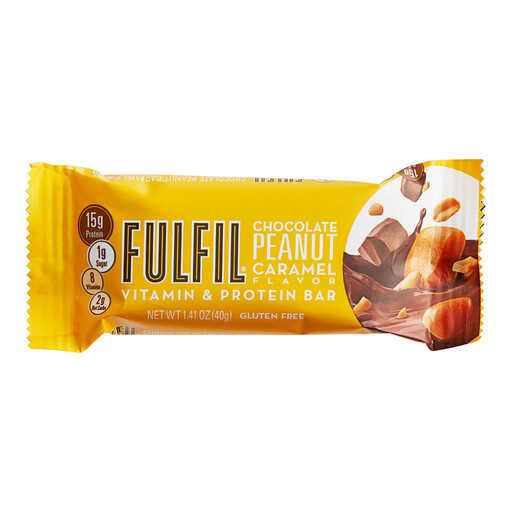 Image unavailable
Bear the 40 g serving size in mind when comparing this snack with bars in other sizes. Check the number of bars in the pack before buying: the title and description don’t match. Also check the polyols and allergens in this recipe, which is different from FULFIL Chocolate Peanut Butter.
The contribution in question doesn’t apply to solid bars: according to Légifrance, it covers drinks and liquid preparations for drinks intended for human consumption. So it isn’t a factor to use when comparing these bars.
No. The DGCCRF says that displaying Nutri-Score is voluntary in France. When comparing prepacked bars, it’s better to check their nutrition declaration and ingredients list; a displayed Nutri-Score doesn’t, on its own, sum up all the factors that matter to you when buying.
Use both: the serving size tells you what you’ll consume in one bar, while values per 100 g make it easier to compare different sizes. The DGCCRF says that the nutrition declaration for prepacked foods is given per 100 g or 100 ml.
Read the ingredients and any trace warnings on the packaging for the exact recipe. The DGCCRF says allergenic ingredients are highlighted in the ingredients list of prepacked foods. Don’t assume they’re absent based on the brand name or the product’s sports-focused marketing.