Guests looking for a snack after an activity
If protein content is your priority, compare the grams listed per bar. The claim on the front of the pack alone doesn’t tell you how much protein each serving provides.


For a village fair, choose protein bars if the amount per bar matters to your guests, and classic chocolate bars if you want to offer a treat. According to E.Leclerc, the 60 g Eafit Max bar contains 25 g of protein, compared with 4.3 g in the 50 g Snickers bar, according to Snickers France. Before making a group purchase, compare the nutritional values per bar and per 100 g, then check the allergens, best-before date and storage instructions.
If protein content is your priority, compare the grams listed per bar. The claim on the front of the pack alone doesn’t tell you how much protein each serving provides.
If you’re handing out several varieties, check the number of bars, best-before dates, storage instructions and allergens. Keep bars offered as treats separate from those chosen for their protein content.
Compare the sugar content in the nutrition table and check the ingredients list for sweeteners. A protein bar can contain both.
For your village fair, first decide whether each bar is intended as a protein snack or a treat, then check the details for the varieties you’ve chosen.
| Criteria | What to check | Who it matters to |
|---|---|---|
| Protein per bar | Grams of protein per bar and the bar’s weight; values per 100 g for comparing recipes. | After an activity, I want to know what the serving being handed out provides, rather than rely on its name. Around 33% of consumers put protein per bar first. |
| Sugars and sweeteners | Sugars per serving and per 100 g; whether sweeteners or polyols are listed in the ingredients. | If I’m watching my sugar intake, I also want to know whether the recipe contains sweeteners before I choose. This is the priority for around 27% of consumers. |
| Allergens and ingredients | Allergens highlighted in the ingredients list and any ‘may contain’ warnings on each pack. | If some people need to avoid an ingredient, I can’t choose a bar based on its category alone. For around 20% of consumers, checking allergens comes before other criteria. |
| Distribution and storage | Number of bars, best-before date and storage instructions for the batch you buy. | To plan the distribution, I need to know how many portions to prepare and how to store them until the fair. Around 20% of consumers prioritise this planning. |
According to Snickers France, the 50 g Snickers bar contains 4.3 g of protein, compared with 25 g in the 60 g Eafit Max bar, according to E.Leclerc. These servings therefore don’t offer the same amount of protein.
Compare the grams per bar and present classic chocolate bars separately as treats.
France’s Directorate-General for Competition Policy, Consumer Affairs and Fraud Control (DGCCRF) states that displaying the Nutri-Score is voluntary in France. Even when it isn’t shown, you can still consult the nutrition declaration on a prepacked food.
Compare the nutritional values per 100 g and, where shown on the pack, per serving. Use the Nutri-Score only if it appears on the product you’ve chosen.
Depending on the product, the ingredients list or ‘may contain’ warnings may flag milk, soya, wheat, egg, peanuts or nuts. The DGCCRF states that allergenic ingredients must be highlighted on prepacked foods.
Keep the packaging for each variety to hand and clearly identify the bars you’re handing out.
The French legislation published by Légifrance applies to drinks and liquid preparations for drinks, not solid chocolate bars.
When choosing bars, check their sugar content in the nutrition information. Don’t treat the levy on drinks as a tax that applies to these products.
E.Leclerc lists a 46 g chocolate protein bar and a 60 g chocolate Max version.
E.Leclerc lists a pack of six chocolate high-protein bars in its diet and meal-replacement range.
Carrefour offers a pack of four 32 g chocolate protein bars.
The French product reviewed is a 50 g chocolate bar with caramel and peanuts.
The milk chocolate product reviewed is a chocolate-covered wafer bar.
These products include protein bars for an individual snack and a chocolate bar presented as a meal replacement. For a village fair, check the pack size and the labelling on each product before planning how many to hand out.
 Image unavailable
This pack of ten bars could be a good option for handing out snacks after an activity. Check the packaging for the protein content per bar, allergens, sweeteners and storage instructions.
 Image unavailable
This 55 g bar could suit anyone looking for a chocolate and peanut protein snack. Before making a group purchase, check the protein content per serving, whether it contains polyols, the allergens and the number of bars in the pack.
 Image unavailable
For an individual 55 g snack, compare the protein and sugar content of this product with the other bars you’re considering. Check the ingredients for polyols and allergens too, then confirm how many bars you need to order.
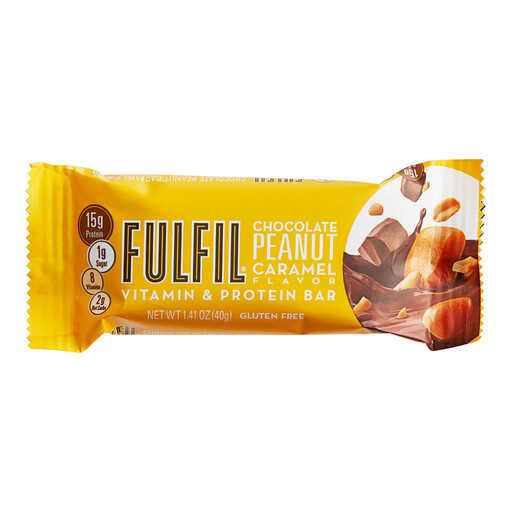 Image unavailable
The 40 g portions could work well for handing out smaller snacks. The product title says 3 × 40 g, while the description mentions twelve bars. Confirm the pack quantity before ordering, and check the allergens and whether it contains polyols.
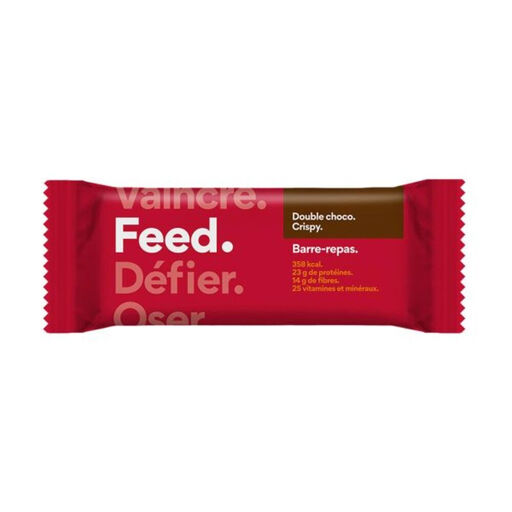 Image unavailable
Presented as a meal replacement, this 100 g bar is intended for a different occasion from a small treat handed out at the fair. Check whether this size suits the portions you have in mind, then look at the allergens, pack quantity and storage instructions.
No, it doesn’t apply to solid chocolate bars. The legislation published by Légifrance covers drinks and liquid preparations for drinks. The sugar content of a bar is something to check in its nutrition information.
No. According to the DGCCRF, displaying the Nutri-Score is voluntary in France. The nutrition declaration, which is compulsory for most prepacked foods, provides information such as energy, fat, sugars, protein and salt, even when the logo isn’t shown.
Under the EU regulation published on EUR-Lex, at least 20% of a food’s energy value must come from protein for it to carry this claim. When comparing bars of different weights, also check the grams of protein per serving.
Read the ingredients and ‘may contain’ warnings for each product. The products reviewed include milk, soya, wheat, egg, peanuts and nuts, among other allergens. The DGCCRF states that allergenic ingredients must be highlighted in the ingredients list on prepacked foods.