People looking for a protein snack to take with them
You want to know how much protein is in the portion you’ll eat around a workout. However, the word ‘protein’ on its own doesn’t tell you where the bar fits into your diet.


Choose a protein bar if your main priority is a snack with a stated amount of protein per serving. A classic chocolate bar is better suited to a chocolate craving and shouldn’t be treated as equivalent for this purpose. For a budget-friendly shop, compare the weight of the bars and the number of servings too, then check the ingredients, allergens and nutritional information for the specific product.
You want to know how much protein is in the portion you’ll eat around a workout. However, the word ‘protein’ on its own doesn’t tell you where the bar fits into your diet.
You’re choosing between an individual bar and a multipack. The total weight, number of bars and size of each serving help you compare what the packs actually contain.
Check the exact recipe before choosing. Depending on the product, the listings consulted mention milk, soya, peanuts, tree nuts or wheat, as well as possible traces.
First decide whether you’re looking for a protein snack or simply a chocolate bar. Then compare specific servings and recipes rather than relying on the product name alone.
| Criteria | What to check | Who it matters to |
|---|---|---|
| Protein per serving | Check the amount of protein in the bar you’ll actually eat and its weight, not just the description on the packaging. | For a snack around a workout, I want to know what my bar provides without mistaking it for a meal; around 36% of consumers rank protein content as their top criterion. |
| Pack size | Compare the total weight, number of bars and serving size across multipacks and individual formats. | When planning my budget-friendly shop, I want to distinguish a large pack from several smaller servings; pack size is the main consideration for around 29% of consumers. |
| Ingredients and allergens | Check the ingredients list, declared allergens and ‘may contain’ warnings for the exact product. | If certain ingredients don’t suit me, the recipe matters more than the amount of protein; around 21% of consumers prioritise this compatibility. |
| Nutritional profile | Compare the values per 100 g and per serving, particularly sugars, fat and protein. Check the Nutri-Score if it appears on the packaging. | I want to compare all the nutritional information rather than judge a bar by a single figure; this is the priority for around 14% of consumers. |
For applicable prepacked foods, the DGCCRF notes that the nutrition declaration lets you check energy, fat, sugars, protein and salt per 100 g, among other details. Santé publique France explains that Nutri-Score is voluntary. If it appears on the packaging, it adds to this information but doesn’t replace it.
According to Santé publique France, displaying the Nutri-Score is voluntary. So you can’t assess a bar based solely on the fact that it doesn’t show this logo.
Check the nutrition declaration and compare the values per 100 g as well as for the serving you have in mind.
An individually wrapped bar, a serving taken from a multipack and a large bar aren’t necessarily the same amount of food.
Check the weight of each bar and the number of servings before comparing their nutritional information.
A plant-protein recipe may contain soya, peanuts or almonds, for example. A product range name doesn’t replace the allergen information for the specific product you choose.
Read the ingredients and trace warnings on the exact packaging, even when buying the product again.
A stated amount of protein per bar isn’t enough to show that it can replace a meal or meet your individual needs after exercise.
Consider how you plan to use the product, and check its serving size and ingredients in the context of your diet.
The examples below refer to specific products. Their ingredients and nutritional values don’t automatically apply to other products from the same brand.
Chocolate-flavoured protein bars marketed as sports snacks.
The Protein Plus 30% product is available as a protein bar in a multipack.
The dark chocolate, almond and coconut bar consulted contains declared plant protein.
The chocolate protein bars consulted are sold in a pack of four 32 g bars.
The peanut and caramel bar consulted is an example of a classic chocolate bar, distinct from a bar sold as a protein snack.
The milk chocolate product consulted is an example of a chocolate wafer bar, designed for a different purpose from a protein snack.
These products include bars marketed as protein snacks and a FEED bar marketed as a meal replacement. Compare their format and intended use before considering them for a budget-friendly shop.
 Image unavailable
Consider this if you’re looking for an individual bar marketed as a protein snack to have around your training. The stated format is 55 g; check the serving size and nutritional information on the packaging.
The recipe information lists milk, peanuts and soya, with other possible traces. If polyols matter to you, check the ingredients list too.
 Image unavailable
This individual bar is marketed as a snack for after training or between meals. Its stated weight is 55 g, so compare the nutritional values with the portion you’ll eat.
Declared allergens include milk, soya and almonds, with possible traces of other ingredients. Check the polyols in the ingredients list too.
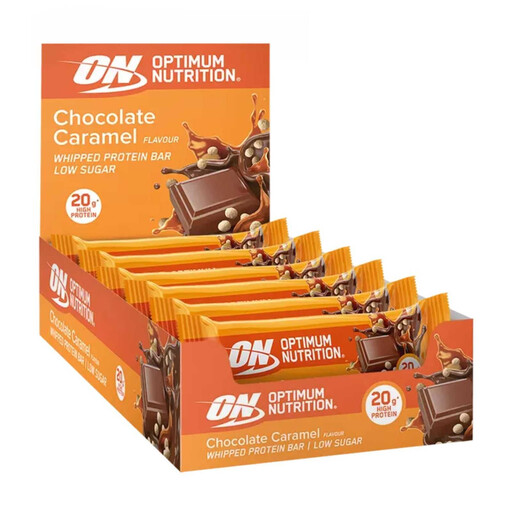 Image unavailable
This multipack is useful for comparing several individual portions marketed as protein snacks. It contains ten 60 g bars, so check the values per bar rather than looking only at those for the whole pack.
The recipe information lists milk and soya, with possible traces of other allergens. The ingredients also include polyols.
 Image unavailable
This pack contains ten bars marketed as protein snacks, with a stated total weight of 650 g. Check the values per serving if you’re comparing it with an individual bar.
The recipe information lists soya, milk and wheat; traces of other allergens are also mentioned.
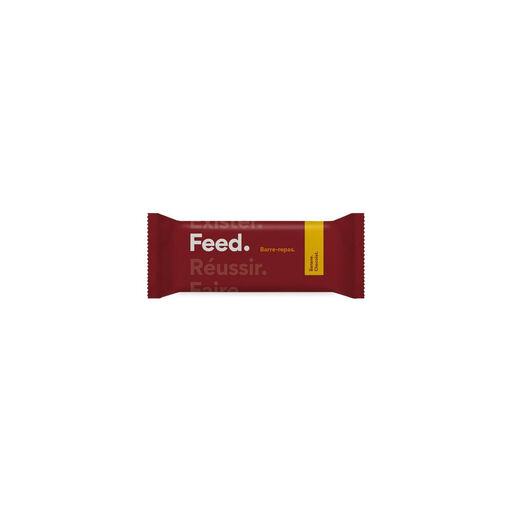 Image unavailable
FEED markets this 100 g bar as a meal replacement, so its stated purpose differs from that of a small sports snack. Bear this in mind before comparing serving sizes.
The recipe information lists gluten and milk, with possible traces of tree nuts, soya and eggs.
No. Santé publique France states that Nutri-Score is displayed voluntarily. For applicable prepacked foods, the nutrition declaration is still compulsory according to the DGCCRF. Check it even when the packaging displays a Nutri-Score.
The French Ministry of the Economy describes this levy as applying to sugary drinks. So don’t use it as a criterion for choosing between solid chocolate bars.
Start by comparing their nutritional values per 100 g, then look at the portion you plan to eat. The DGCCRF states that the nutrition declaration for applicable prepacked foods includes energy, fat, sugars, protein and salt, among other details. Also check the weight of each bar in a multipack.
No. The product name alone doesn’t show that a bar meets your needs. Check the protein per serving, the rest of the nutritional information, the ingredients and how the snack fits into your diet.
Read the ingredients list, declared allergens and ‘may contain’ warnings on the exact product. The recipes mentioned here vary: a plant-protein bar, for example, may contain soya or tree nuts.