Anyone looking for a protein-rich snack
You want to know how much protein you’re getting per bar. Serving size, sugars and ingredients matter too: a prominent protein claim doesn’t tell you everything about what’s in it.


For a ready-to-eat snack, choose a protein bar if the protein per serving meets your needs, after checking the sugars, ingredients and allergens. For melting chocolate and mixing it into a cake, start with chocolate intended for baking: protein bars may contain caramel and other ingredients that do not behave like baking chocolate.
You want to know how much protein you’re getting per bar. Serving size, sugars and ingredients matter too: a prominent protein claim doesn’t tell you everything about what’s in it.
You need chocolate to melt or mix into a cake batter. Lindt France, for example, describes its Dessert range as being designed for baking; a bar made up of several layers is primarily intended for a different use.
You want to compare sugars and other nutritional values, or check the ingredients in a recipe you’re sharing. Read the packaging for the exact product, especially if you need to avoid certain allergens.
First decide whether you’ll eat the product as it is or use it in a cake batter; then compare the information for the product you’ve chosen.
Choose this : for a ready-to-eat snack where you can check the protein per serving.
Bear in mind : its ingredients don’t mean it will work as a substitute for the melting chocolate in a recipe.
Choose this : when your recipe calls for chocolate to melt and mix in; Lindt France describes its Dessert range as suitable for this use.
Bear in mind : its use in cooking tells you nothing about the protein in a serving.
| What matters | What to check | Who is it for ? |
|---|---|---|
| Protein in a snack | Amount per bar and per 100 g; if the product says “high in protein”, the proportion of energy that comes from protein. | If I’m having a bar as a snack, I want to know what I’m getting from the portion I eat; around 34 % of consumers prioritise protein content. |
| Using it in a cake | Whether the chocolate is intended for baking and the cocoa percentage called for in the recipe. | When I’m making a cake, I’m mainly looking for chocolate that suits the recipe; this is the main requirement for around 33 % of consumers. |
| Sugars and nutritional values | Sugars per 100 g, then the amount in the serving you’ll eat. | When comparing two bar sizes, I want to be able to compare their sugar content on the same basis; around 25 % of consumers put this nutritional comparison first. |
| Ingredients and allergens | The ingredients list and allergens for the exact flavour, including if it’s going into a cake you’ll share. | If an ingredient is a concern, I need to check the version I’m buying before serving it; this compatibility comes first for around 8 % of consumers. |
The Mars HI-Protein bar listing viewed at Nutrisport Performance states that it contains 20 g of protein, but also 14 g of sugars per 59 g bar. One highlighted figure doesn’t tell you everything about its nutritional values.
Before choosing between two bar sizes, compare the protein and sugars per bar as well as per 100 g.
The bars described by Pharmacie Citypharma and Nutrisport Performance contain several ingredients, including caramel and protein. They are not presented as bars of chocolate to mix into cake batter.
If melting chocolate is important to your cake, use the product specified in the recipe. If you’d like to add a bar, try adding pieces to a small batch first before changing the whole recipe.
The DGCCRF states that displaying Nutri-Score is optional. The French levy described by Légifrance applies to drinks and liquid preparations for drinks, not solid chocolate bars.
To compare bars, check their nutritional information and ingredients lists. Don’t draw conclusions simply because the Nutri-Score logo is absent.
The ingredient lists checked for Snickers Hi Protein and Mars HI-Protein mention milk, soya or peanuts, depending on the product. The brand name alone doesn’t tell you what’s in a particular version.
Check the allergens on the exact product packaging, especially if the bar will be added to a cake you’re sharing.
The Mars HI-Protein product described by Nutrisport Performance is a 59 g bar containing 20 g of protein.
The Snickers Hi Protein Crisp listing from Pharmacie Citypharma describes a 55 g bar containing chocolate, caramel and peanuts, among other ingredients.
Barebells France describes its Original Protein Bars as coated protein bars with layered fillings.
Lindt France describes this range of chocolate bars as made for baking, with options including 51 % and 70 % cocoa.
This selection includes bars to consider as snacks and white chocolate intended for baking. First choose according to how you’ll use it, then check the serving size, ingredients and pack details for the product you’ve selected.
 Image unavailable
Worth considering if you’re looking for a chocolate and peanut bar to have as a snack. The stated size is 55 g; check the nutritional values and allergens for this version before buying, and don’t assume it’s suitable as a substitute for chocolate to melt.
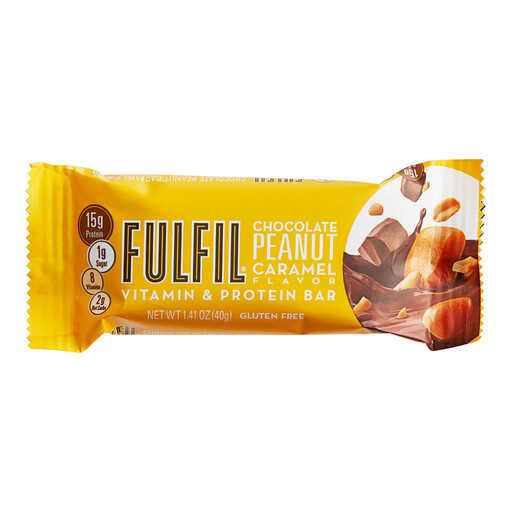 Image unavailable
A chocolate, peanut and caramel bar to consider as a snack rather than for melting into a cake. The pack title states 3 × 40 g, while the description gives a different number of bars; confirm what’s included in the pack before ordering.
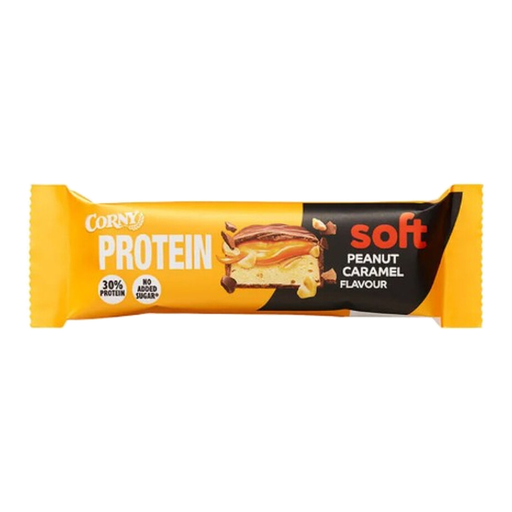 Image unavailable
This 45 g bar is worth considering as a snack to take with you. If you’re comparing it with bars of a different size, compare the values per 100 g first, then those for the serving you’ll eat; also check the allergens for the exact product.
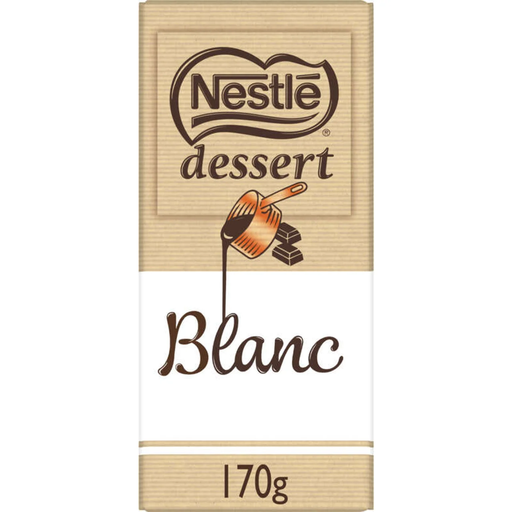 Image unavailable
This 170 g bar is intended for baking, so consider it if your cake recipe calls for white chocolate to be mixed in. Check that this type of chocolate suits the recipe, and read its nutritional information and allergens; it isn’t a protein bar.
No: check the protein and other nutritional values for the exact product. To use the regulated “high protein” claim in the European Union, Regulation (EC) No 1924/2006 requires at least 20 % of the food’s energy value to come from protein; a prominently displayed figure in grams doesn’t replace this requirement.
Don’t immediately use it as a substitute for the chocolate bar specified in your recipe: the bars described by Pharmacie Citypharma and Nutrisport Performance contain other ingredients, including caramel. If you’d like to use one, try adding pieces to a small batch; for a recipe that calls for chocolate to melt, start with a product intended for baking.
No. The DGCCRF states that displaying it is optional; nutritional declarations are generally compulsory for prepacked foods. Compare energy, fat, sugars, protein and salt in particular, rather than judging a bar by whether it displays the logo.
Not to a solid bar: the levy set out in the provisions published on Légifrance applies to drinks and liquid preparations for drinks, subject to the conditions set out in those texts. To choose a bar, check the “of which sugars” line and the serving you plan to eat.
Read the ingredients list and allergen information for the flavour you’re buying. The listings viewed by Pharmacie Citypharma for Snickers Hi Protein and by Nutrisport Performance for Mars HI-Protein mention milk and soya, among other ingredients, as well as peanuts in the Snickers product; don’t assume every bar from a brand has the same ingredients.