Anyone looking for a snack after being active
A bar you can carry with you can be handy after a workout or between meals. Check the protein, sugars and energy for the portion you’ll eat, and don’t automatically treat a bar as a meal replacement.


For charcuterie night, choose a protein bar if you’re looking first and foremost for an individual snack with a meaningful protein content. If you simply want to offer a chocolatey treat, a classic bar serves a different purpose. Compare the values for the whole bar, as well as the ingredients: some lower-sugar recipes contain sweeteners, and allergens vary by product.
A bar you can carry with you can be handy after a workout or between meals. Check the protein, sugars and energy for the portion you’ll eat, and don’t automatically treat a bar as a meal replacement.
Alongside the drinks and nibbles, you might choose based on flavour or the sugar content per bar. A ‘no added sugars’ claim doesn’t mean you can skip checking the ingredients and packaging warnings.
If you’re serving several guests, check the exact recipe, including declared allergens, ‘may contain’ statements and warnings about excessive consumption. Keep the packaging handy.
For this get-together, start with how you plan to use the bar: as a protein-rich snack, to keep an eye on sugar, to check the ingredients, or simply to enjoy a classic chocolate bar.
| What to compare | What to check | Who is it for? |
|---|---|---|
| Protein per bar | The protein content and weight of the whole bar, rather than the value per 100 g alone. | If I’m planning an easy-to-carry snack after being active or between meals, the amount per serving is my first port of call. Around 27% of consumers put this convenient protein snack first. |
| Sugars and energy | The ‘of which sugars’ and ‘energy’ figures for the same serving. | I want to offer a protein bar while comparing its sugar content accurately with other recipes. This is the main priority for around 27% of consumers. |
| Allergens and sweeteners | Allergens, ‘may contain’ statements and warnings for the recipe you’re buying. | When several guests may choose a bar, I need to be able to identify ingredients that aren’t suitable for them. Around 26% of consumers put this check ahead of other criteria. |
| Flavour and format | Whether it’s an individual bar or multipack, and the nutritional values for the portion being served. | If I’m simply looking for a chocolatey treat for the get-together, protein content isn’t my deciding factor. Around 20% of consumers prioritise this enjoyment and format first. |
Both of the bars compared here contain 20 g of protein. Nutrisport Performances lists 14 g of sugars per 59 g Mars HI-Protein bar, while Barebells France lists 1 g per 55 g Creamy Crisp bar. Protein content alone therefore doesn’t tell you how much sugar a recipe contains.
Compare protein, sugars and energy for the whole bar you plan to serve.
Barebells France and FULFIL France warn that excessive consumption of some recipes containing sweeteners or polyols may have a laxative effect.
Check the ingredients and the warning for the flavour you’ve chosen before planning to serve more than one bar per person.
Recipes listed by Barebells France and FULFIL France include milk and soya; other ingredients and possible traces depend on the flavour. Removing the packaging means guests can’t see this information.
Keep each wrapper within reach and check the information for the exact recipe.
KitKat France lists 3.2 g of protein per serving of KitKat Milk Chocolate; TWIX France lists 1 g per 23 g serving of Twix Salted Caramel. These servings don’t provide the 20 g of protein listed for the protein bars mentioned above.
Choose a classic bar for its flavour, or compare the protein per serving if that’s what’s motivating your purchase.
These brands offer protein versions of their chocolate bars. The range name alone doesn’t tell you what’s in each recipe.
The range includes chocolatey protein bars such as Creamy Crisp.
The range includes several chocolatey protein bar recipes, each with its own ingredients and nutritional values.
These chocolatey protein bars could make handy individual snacks to serve at your get-together. To compare them, check the serving size on each wrapper and any ingredients that matter to your guests.
 Image unavailable
Worth considering if you’re looking for an individual chocolate and peanut bar after being active or between meals. The stated size is 55 g; check the packaging for the values per bar, polyols and allergens before serving.
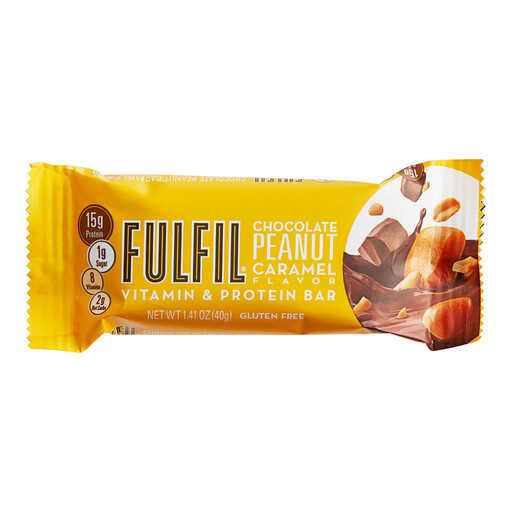 Image unavailable
A chocolatey protein bar to consider for an individual snack. The product title lists 3 × 40 g, while the description mentions a box of 12. Confirm the pack contents before buying. Also check the ingredients and allergens for the recipe you receive.
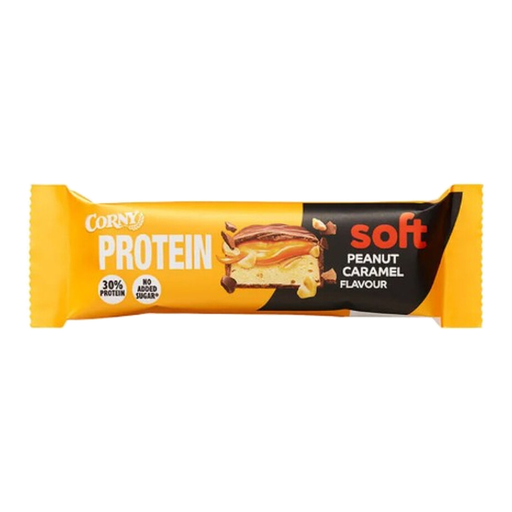 Image unavailable
This 45 g bar could be a good choice if you’d like to offer an individual peanut and caramel snack. To compare it with the others, check the nutritional information for the whole bar, along with the ingredients and allergens on the packaging.
No. The levy described by the French Ministry of the Economy as the ‘soda tax’ applies to sugary drinks, not to a chocolate bar simply because it contains sugar. When choosing a bar, check its nutritional information per serving instead.
No. The French Ministry of the Economy says that displaying Nutri-Score is voluntary. The DGCCRF distinguishes this logo from the nutritional declaration required for most prepacked foods, which includes information such as energy, fat, sugars and protein.
If you plan to eat a whole bar, compare the values per bar first, then those per 100 g. Check the protein, sugars, energy and ingredients: different bar weights can make a comparison based on ‘per serving’ values alone misleading.
Don’t automatically treat it as a meal replacement. A bar is an individual snack. Its label tells you about its composition, but on its own it doesn’t describe a complete meal or an individual’s nutritional needs.
Read the packaging for each recipe before serving it, and leave it where guests can see it. Declared allergens, possible traces and warnings about sweeteners vary between bars; you can’t assume they’re the same across every flavour just from the brand name.