For a snack around your workout, start by comparing the protein content of each bar. If you’re stocking up for the week, also check the pack size and number of servings, rather than relying on the word “protein” alone. In either case, compare the nutrition information per 100 g and per serving, then check the sugars, ingredients and allergens in the recipe you choose.
Who are these options for?
Anyone planning a snack around their workout
You’re looking for an easy-to-carry bar to have after a session. For this, the grams of protein per bar matter more than the word “protein” on its own. Check the other nutritional values and allergens, too.
Anyone stocking up for the week
You want to plan ahead and have several snacks ready. The number of bars, their weight and the protein in each one can help you compare multipacks with individually sold bars.
Anyone keeping an eye on ingredients
You’re choosing based on sugars, sweeteners, polyols or particular ingredients. Check these details for the exact recipe, as well as the allergens listed on its label.
What should you prioritise?
When shopping for the week, your priority might be the protein per bar, stocking up, or the ingredients in the recipe.
| What to consider |
What to check |
Who is it for? |
| Protein per bar |
Grams of protein and the weight of each bar; nutritional values per serving and per 100 g. |
After a workout, I want to know how much protein I’ll get from the bar I eat. Around 42% of consumers prioritise the protein content per bar. |
| Stocking up for the week |
Number of bars, net weight and protein per serving; pack size to suit your shopping. |
To plan my snacks for several days, I mainly need a suitable pack size, without confusing the number of bars with the amount of protein in each one. Around 33% of consumers prioritise stocking up. |
| Recipe and allergens |
Sugars per serving and per 100 g, ingredients and allergens; whether sweeteners or polyols are included if you avoid them. |
If certain ingredients don’t suit me, the flavour and its exact ingredients determine my choice. Around 25% of consumers prioritise checking the recipe. |
Mistakes to avoid
-
Relying on the word “protein” alone
On its own, this claim doesn’t tell you how much protein you’ll get from one bar. Under the EU regulation on nutrition claims, “high in protein” is based on the proportion of energy that comes from protein, not on a set number of grams per serving.
Compare the protein per bar, its weight and the other nutritional values of the recipe you’re considering.
-
Comparing multipacks without checking what’s inside
A multipack of protein cereal bars and a pack of individual protein bars won’t necessarily contain the same number of servings or the same amount of protein per bar.
When stocking up, check the number of bars, the net weight and the protein listed per serving.
-
Confusing “no added sugars” with “no sweeteners”
These claims refer to different things. Barebells describes its Original Protein Bars as having “no added sugars”, while the HiPRO caramel recipe lists maltitols and sucralose.
Decide which matters to you, then check the ingredients and sugars for the flavour you’ve chosen.
-
Assuming another flavour has the same allergens
Ingredients can vary between products. The French Directorate-General for Competition, Consumer Affairs and Fraud Control says that allergenic ingredients must be highlighted on the labels of prepacked foods.
Check the packaging of the exact product you’re buying, even if you already know the brand.
Brands to consider
HiPRO
Its caramel-flavoured bar is worth considering if you’re looking for a clearly stated amount of protein per serving.
- HiPRO lists 15 g of protein in a 45 g caramel bar.
- This recipe lists maltitols and sucralose, as well as milk and soya among its allergens; these details don’t apply to the whole range.
Barebells
The Original Protein Bars range may appeal if you’re comparing the protein per bar with the claim about added sugars.
- Barebells lists 20 g of protein per bar and describes this range as having “no added sugars”.
- Check the ingredients and allergens for your chosen flavour: the claim about added sugars doesn’t tell you everything about the recipe.
Andros Sport
Its 55 g chocolate and peanut bar is another recipe to compare if you want a snack to take with you when you’re active.
- Andros Sport lists 20 g of protein and describes this product as containing no sweeteners or polyols.
- The recipe includes milk, wheat, peanuts and soya, among other ingredients. Check the label if you need to avoid particular allergens.
Carrefour Sensation
Multipacks from this supermarket brand are among the formats to consider when planning snacks for the week.
- The Carrefour range includes multipacks such as seed and chocolate or red berry varieties.
- Before choosing a recipe for a particular purpose, compare the protein per bar, sugars, ingredients and allergens.
Nature Valley
Its multipacks of protein cereal bars offer a format for snacks throughout the week, which is different from choosing an individual protein bar.
- Carrefour and Auchan catalogues feature several multipacks, including packs of four or eight bars.
- Check the protein and sugars for the recipe you choose rather than assuming all multipacks have the same ingredients.
Protein bars available on Joybuy
This selection includes multipacks to compare for several snacks throughout the week, as well as an individually sold bar. To find the right option for you, check the protein per bar and the ingredients in each recipe.
 Image unavailable
Optimum Nutrition Marshmallow Crunch Protein Bar, 10 × 65 g
A multipack to consider if you want several snacks around your training sessions: the product information lists 20 g of protein per 65 g bar.
The recipe contains milk, soya and wheat; traces of egg, nuts and peanuts are also listed. The ingredients include isomalt and sucralose, too.
View on Joybuy
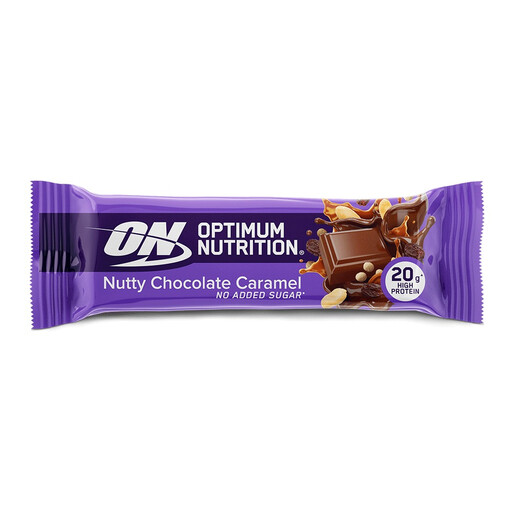 Image unavailable
Optimum Nutrition Nutty Chocolate Caramel Bar, 10 × 70 g
This pack of ten bars makes it easy to plan several snacks; the product information lists 20 g of protein per 70 g bar.
Each bar contains 256 kcal and 6,2 g of sugars. The recipe contains milk, soya and peanuts, so check the packaging if these ingredients matter to your choice.
View on Joybuy
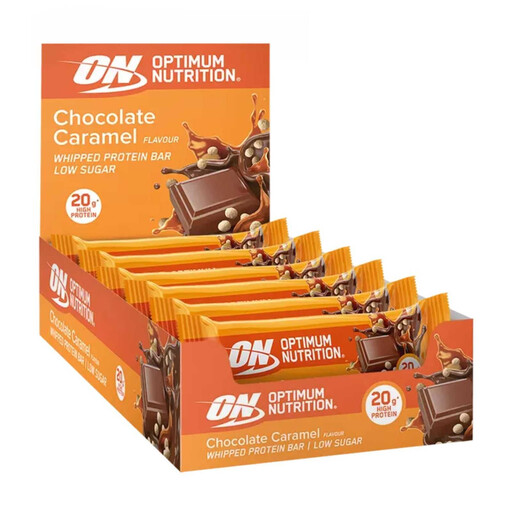 Image unavailable
Optimum Nutrition Whipped Protein Bar Chocolate Caramel, 10 × 60 g
This pack of ten 60 g bars is worth comparing if you’re planning several snacks. For the exact protein content, check the packaging: the product information gives conflicting figures, with 20 g in the description and 21 g in the table.
The product information lists 13 g of polyols per bar and warns of a possible laxative effect if consumed in excess. The recipe contains milk and soya, and traces of other allergens are also listed.
View on Joybuy
 Image unavailable
nu3 Fit Protein Bar Salted Caramel, 55 g
This individual bar is worth considering if you’re after a single snack rather than a multipack: the product information lists 17,6 g of protein per 55 g serving.
It also contains 12,1 g of polyols per bar and lists maltitol and steviol glycosides, among other ingredients. The recipe contains milk, soya and almonds; check the packaging for any other listed allergens.
View on Joybuy
Frequently asked questions
What does “high in protein” mean on a bar sold in France?
In the European Union, the regulation on nutrition claims reserves this wording for foods where at least 20% of the energy comes from protein. It doesn’t set a single number of grams for all bars, so also check the amount listed for the serving you’ll eat.
Should I compare protein per 100 g or per bar?
Both figures are useful for different reasons: the value per 100 g helps you compare bars of different sizes, while the value per bar tells you how much protein is in your serving. The French Directorate-General for Competition, Consumer Affairs and Fraud Control says that nutrition declarations on prepacked foods must include values such as protein and sugars per 100 g or 100 ml.
Can a protein bar replace a meal after a workout?
Not necessarily. Even when the protein content is listed per serving, that alone doesn’t tell you everything a meal provides. If you choose a bar as a convenient snack, look at all its nutritional information rather than just the protein content.
What should I check if I need to avoid an allergen?
Read the label for the exact flavour you’re buying, including highlighted ingredients and any warnings about traces. The French Directorate-General for Competition, Consumer Affairs and Fraud Control states that allergenic ingredients must be highlighted in the ingredients list on prepacked foods. Don’t assume a recipe has the same ingredients as another bar from the same brand.


