Parents preparing several lunchboxes
You’re looking for a number of bars that’s easy to divide across several days. Also check whether each bar is individually wrapped: the pack size alone won’t tell you this.


When preparing lunchboxes for secondary school, start by choosing a pack size that suits your needs. Check the ingredients and nutritional information for the bar that will actually be eaten, rather than relying on its protein content alone. A smaller pack lets you try a flavour before stocking up; if allergies are a concern, the label on the pack you buy is the one to trust.
You’re looking for a number of bars that’s easy to divide across several days. Also check whether each bar is individually wrapped: the pack size alone won’t tell you this.
Your first priority is the ingredients in the recipe you’ve chosen, including any ‘may contain’ statements. The DGCCRF advises that allergens must be highlighted in the ingredients list on prepacked foods.
You want to consider protein alongside the other nutritional information. The per 100 g table helps you compare two products; the figures per bar then show what the portion planned for the lunchbox provides.
If an allergy limits your choice, start with the ingredients. Then compare the number of portions and the nutritional information for the recipe you’ve selected.
| What to check | Look for | Who it matters to |
|---|---|---|
| Pack size | Count the bars and check that they’re individually wrapped if you want to put them straight into a lunchbox. | If you’re preparing several lunchboxes without dividing up a large box all at once, you may prefer a pack with portions ready to take with you. Around 25% of consumers put this need for convenience first. |
| Allergens and ingredients | Read the highlighted allergens and any ‘may contain’ statements on the packaging for the flavour you’re buying. | If an ingredient needs to be avoided, choosing a suitable recipe comes before pack size or flavour. This is the top priority for around 31% of consumers. |
| Portion size and nutritional information | Compare energy, sugars, protein and salt per 100 g, then per bar eaten. | A bar’s protein content alone doesn’t tell you what the whole snack contains. Around 25% of consumers want to look at the whole portion first. |
| Trying before stocking up | Check how many portions you’ll use, the date shown and the storage instructions. | If it’s a new flavour, starting with a small pack can help you avoid keeping bars that won’t get eaten. The risk of waste is the main concern for around 19% of consumers. |
This figure tells you neither how large the bar is nor what else it contains nutritionally. The DGCCRF says that the per 100 g declaration provides a common basis for comparison.
Compare products per 100 g first, then check the energy, sugars and salt in the portion you’ll actually eat.
Barebells describes its Original range as having ‘no added sugars’, but notes that its bars are not therefore low-calorie foods.
Check the ‘of which sugars’ line, the energy per portion and the ingredients list for the product you’ve chosen.
Allergens vary between bars and flavours. Some products also contain polyols and carry a warning about excessive consumption.
Check the label for the exact flavour before stocking up. If an allergen needs to be avoided, also look out for any relevant ‘may contain’ statements.
Packs of four, eight or twelve bars won’t cover the same number of lunchboxes, even if they’re all described as multipacks.
Count the bars you can use, check their individual weight, and read the date and storage instructions on the pack.
Nature Valley offers, among other products, an eight-portion Protein Peanuts & Chocolate pack with 40 g bars, as well as products in packs of four 40 g bars.
Barebells sells Original Protein Bars in packs of twelve and states that bars in this range contain 20 g of protein.
A Carrefour product listing presents the Snickers Protein Bar Original as a box of twelve bars.
These protein bars, available in packs of four or ten, could be suitable for preparing several lunchboxes. For packs of ten, check that the bars are individually wrapped if that matters for how you organise your lunchboxes.
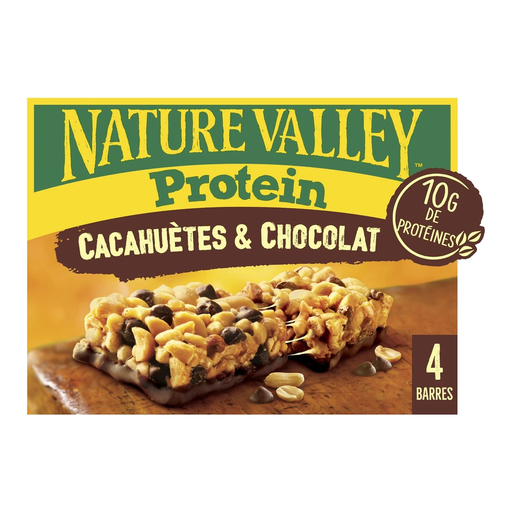 Image unavailable
This pack of four portions is a handy way to try this product or prepare a few lunchboxes. The product listing mentions peanuts, soya and milk: check the allergens on the pack you buy.
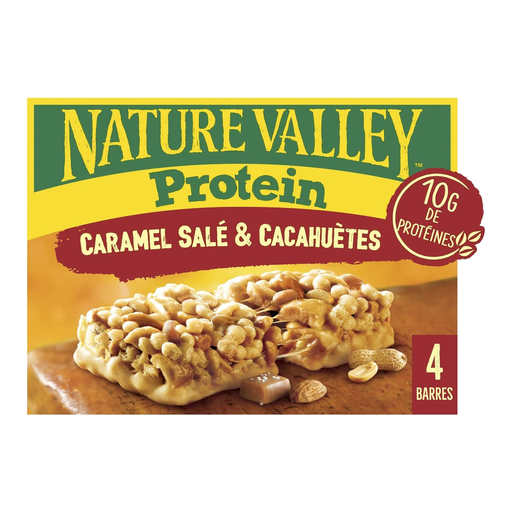 Image unavailable
The four individually wrapped portions can be divided between several lunchboxes. This flavour is different from the family-size Peanuts & Chocolate pack. The Joybuy listing mentions peanuts, soya, milk and almonds; check the label on the pack.
 Image unavailable
This pack of ten bars could be useful for preparing lunchboxes regularly if the recipe suits you. Check whether each bar is individually wrapped. The listing mentions milk, soya and possible traces of other allergens; it also notes polyols and a warning about excessive consumption.
 Image unavailable
This pack of ten bars could suit several lunchboxes, provided it has the individual wrapping you need. The listing mentions soya, milk and wheat containing gluten, as well as possible traces of other allergens; check the packaging of the product you buy.
Check the label on the exact pack you’re buying. The DGCCRF says allergens must be highlighted in the ingredients list on prepacked foods; the nutrition declaration per 100 g makes it easier to compare products.
Use the per 100 g figures as a common basis first, then look at the figures for the bar you plan to put in the lunchbox. A 40 g portion and a larger bar aren’t the same amount of food, so pay particular attention to energy, sugars, protein and salt per portion.
Don’t choose a bar as a regular substitute for lunch based on its protein content alone. Assurance Maladie highlights the importance of a varied diet and appropriate portions during adolescence; consider the bar as part of the lunchbox and the day’s meals.
Check the ingredients and any ‘may contain’ statements on the exact pack and flavour, then rule out any product that contains or may contain the allergen in question. For example, the Nature Valley Peanuts & Chocolate pack featured by the brand contains peanuts, soya and milk; this information doesn’t apply to all its recipes.
Check the date and storage instructions on the packaging before stocking up. For Nature Valley Salted Caramel & Peanuts 4 × 40 g, the Joybuy listing recommends storing it in a cool, dry place; follow the instructions on the pack you buy rather than those for another product.