People looking for a post-workout snack
If you have a bar alongside a sandwich after training, compare the whole serving. The protein content alone doesn’t tell you how many carbohydrates or how much energy it provides.


If you’re having a bakery sandwich, choose your bar according to what matters most to you. After a workout, compare the protein, carbohydrates and energy per serving. If you’re more concerned about sugar, check the “of which sugars” line and the ingredients list. In either case, check the allergens for the exact recipe rather than relying on the word “protein” alone.
If you have a bar alongside a sandwich after training, compare the whole serving. The protein content alone doesn’t tell you how many carbohydrates or how much energy it provides.
You might be looking for a chocolate recipe, perhaps with caramel or peanuts, while comparing the sugar content per bar. The ingredients list can also help you spot sweeteners.
Before choosing a recipe or flavour, read the ingredients and any warnings about possible traces. The Mars Protein and Snickers Protein product information published by Carrefour France lists different allergens.
First decide what you want the bar to provide alongside your sandwich, then compare the values for the portion you’ll eat and check the exact recipe.
| Criteria | What to check | Who is it for? |
|---|---|---|
| Post-workout snack | Protein, carbohydrates and energy per whole bar. | After training, I want to know what the bar provides without judging its suitability from the word “protein” alone. Around 36% of consumers rank post-exercise nutrition as their top priority. |
| Sugars and sweetening ingredients | The “of which sugars” line per serving and whether the ingredients include sweeteners. | When having a chocolate bar with my sandwich, I prefer to compare the amount of sugar I’ll actually consume. This is the top priority for around 29% of consumers. |
| Allergens | Ingredients and “may contain” warnings for the exact product and flavour. | If I need to avoid certain ingredients or traces of them, the ingredients come before flavour or protein content. Around 21% of consumers prioritise this check. |
| Convenient format | Bar weight and whether it’s sold individually or in a multipack. | To have alongside a sandwich, I’m mainly looking for a portion that’s easy to take with me, without mistaking a small bar for a meal-replacement bar. This is the top criterion for around 14% of consumers. |
The serving size, protein, carbohydrates and energy can vary from one recipe to another. No single value tells you everything about the snack.
Decide how you plan to use the bar, then compare the nutrition information for the whole bar and the rest of what you intend to eat.
This claim doesn’t mean that a recipe contains no naturally occurring sugars or sweeteners.
Check both the “of which sugars” line and the ingredients list, rather than relying on the claim on the front of the pack.
The Mars Protein and Snickers Protein product information published by Carrefour France lists milk and soya, among other ingredients, but the other allergens and trace warnings are not the same.
Check the label for the flavour and format you’re buying, even if you already know the brand.
According to Santé publique France, Nutri-Score is voluntary information that supplements the nutrition declaration. The tax scheme described by Légifrance applies to non-alcoholic drinks, not solid bars.
To compare bars, check their nutrition values, ingredients and allergens. Use Nutri-Score as additional information when it appears on the products you’re comparing.
A protein-enriched chocolate and caramel version for anyone looking for this type of confectionery.
A chocolate, caramel and peanut recipe to consider if these flavours guide your choice.
A range where serving sizes and stated values are worth comparing recipe by recipe.
Protein chocolate bars available in a range of recipes, including peanut and caramel.
A supermarket own-brand protein bar available as an individual 45 g portion.
These products include protein chocolate bars in different formats and a chocolate meal bar. If you’re looking for a small addition to your sandwich, distinguish the meal bar from the smaller portions before comparing labels.
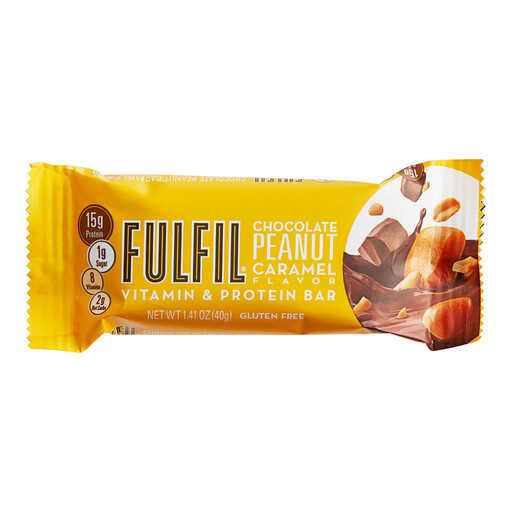 Image unavailable
This format is a good option if you’re looking for a chocolate, peanut and caramel bar to have separately from your sandwich.
The pack contains three 40 g bars. To compare sugars and protein, use the values given for this format, not those for a 55 g FULFIL recipe.
If you avoid certain allergens or sweeteners, check the ingredients list on the packaging.
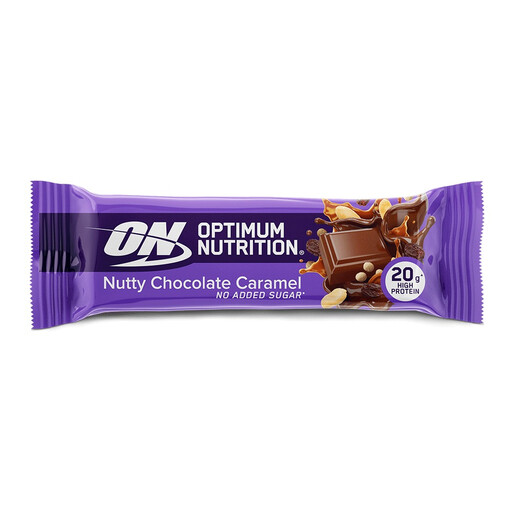 Image unavailable
This chocolate and caramel bar is worth considering if you’re looking for a portion to have after training.
The pack contains ten 70 g bars. Compare the protein, carbohydrates and sugars per whole bar rather than for a different format.
A “no added sugars” claim doesn’t replace checking the “of which sugars” line. Also check the packaging for allergens and any sweeteners.
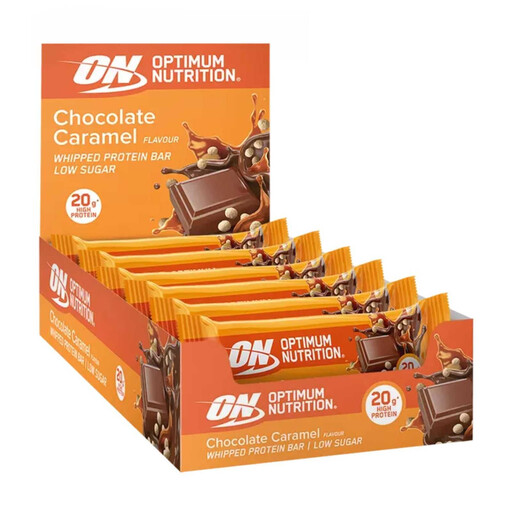 Image unavailable
This chocolate and caramel format is for anyone looking to compare an individual protein bar with their usual snack.
The pack contains ten 60 g bars. If protein content is the deciding factor, check the amount per bar on the packaging. Also check the sugars and carbohydrates for the same portion.
Check the allergens and whether the bar contains polyols before switching to a different product.
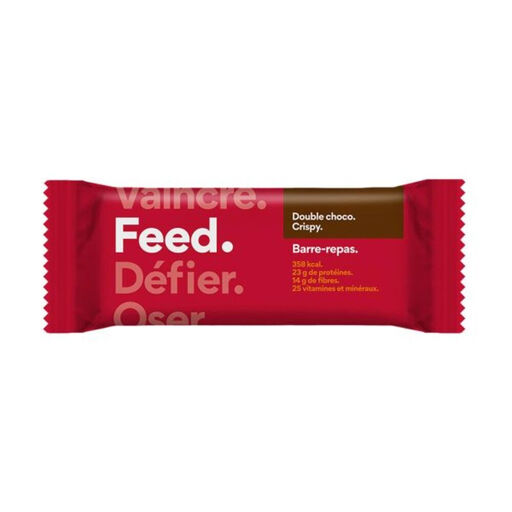 Image unavailable
This chocolate meal bar serves a different purpose from a small confectionery bar eaten with a sandwich.
The serving size is 100 g. If you’re thinking of adding it to a meal rather than having it instead of one, compare the nutrition values for the whole bar with what’s already in your meal.
Check the ingredients and allergens for this product before buying.
No. Santé publique France describes Nutri-Score as voluntary information that supplements the nutrition declaration. The European Commission explains that this declaration is required for the vast majority of pre-packed foods. To compare two bars, look in particular at their values for comparable portions.
No, not under the scheme for non-alcoholic drinks described by Légifrance. To choose a bar, check its sugar content on the label rather than treating this tax scheme as a rule for chocolate bars.
In the European Union, the regulation published on EUR-Lex reserves this claim for foods where at least 20% of the energy value comes from protein. This condition applies to the claim itself: it doesn’t tell you how many grams of protein are in the bar you’ll eat.
No. This claim means neither that the bar contains no naturally occurring sugars nor that it contains no sweeteners. Compare the “of which sugars” line, serving size and ingredients for each recipe; don’t assume the claim alone means it’s nutritionally superior.
Read the ingredients list and any trace warnings for the exact product. The product information published by Carrefour France for Mars Protein and Snickers Protein lists milk and soya, among other ingredients, but differs on egg, peanuts and cereals containing gluten. So the brand name alone isn’t enough to assume one recipe can be substituted for another.