What should you compare?
For an afternoon snack, start with the portion the person plans to eat. Values per 100 g make it easier to compare products, while values per bar help you decide whether it is right for the snack.
| What to compare |
What to check |
Who this matters to |
| Protein per serving |
Compare the protein per 100 g and per bar, as well as the bar’s weight. |
After being active, I want to know how much protein my snack provides. Around 22% of consumers put protein per serving first. |
| Sugars and nutritional values |
Check the sugars, carbohydrates, energy and saturated fat per 100 g, then for the portion eaten. |
If I’m looking for a chocolate snack with less declared sugar, I also want to be able to compare the rest of its nutritional profile. For around 28% of consumers, this nutritional comparison comes before the amount of protein. |
| Tolerance and allergens |
Check the ingredients list, allergens, ‘may contain’ statements and whether the product contains polyols. Also consider the texture you prefer. |
If certain ingredients cause me problems, or chewing is a factor in my choice, the ingredients matter more than the flavour. Tolerance, allergens or texture are the main priority for around 28% of consumers. |
| Individual dietary advice |
Check the serving and full label against the advice given by the healthcare professional looking after the person. |
If I need to follow dietary advice related to diabetes, kidney disease or a prescription, I won’t choose a product based only on the word ‘protein’. Around 22% of consumers prioritise this suitability above all else. |
Bars and formats available on Joybuy
This selection includes chocolate bars presented as protein snacks, as well as a chocolate meal bar. For an afternoon snack, distinguish between an individual serving and a multipack, and check that the format suits how you plan to use it.
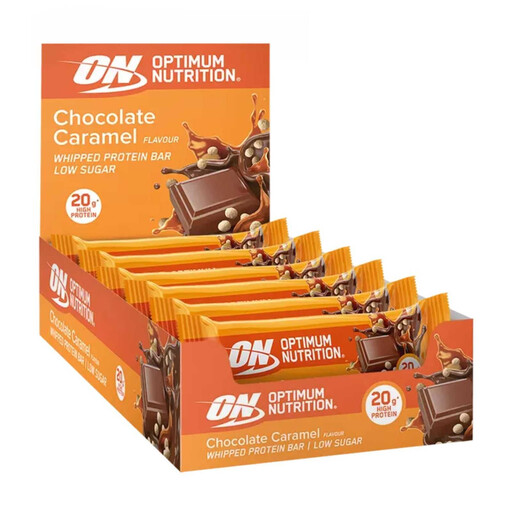 Image unavailable
Optimum Nutrition Whipped Protein Bar, chocolate caramel, 10 × 60 g
This pack of individual bars could be a handy snack to take with you after an activity. The product information lists polyols, as well as milk and soya. Check the ingredients and allergens on the packaging, especially if digestive tolerance is a factor in your choice.
View on Joybuy
 Image unavailable
Andros Sport High-Protein Bar, chocolate peanut, 55 g
This individual bar could suit someone looking for a chocolate snack to take with them. The product information describes peanut pieces and lists milk, soya and sweeteners. Check the allergens and ask the person whether they like this texture.
View on Joybuy
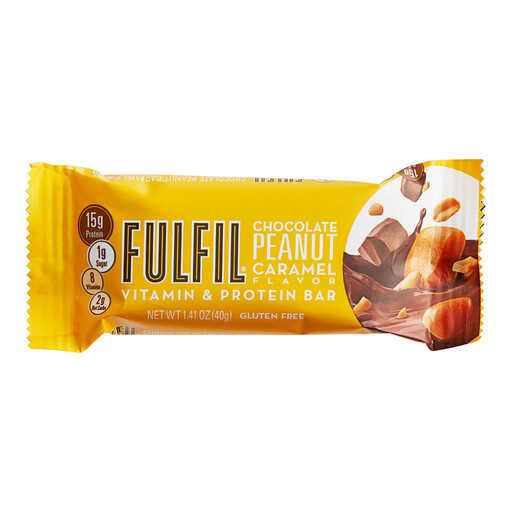 Image unavailable
FULFIL Protein Bar, chocolate peanut caramel, 40 g
The 40 g size may appeal to someone looking for a smaller individual bar. The product information lists polyols, milk, soya and peanuts. Before buying, check how many bars are included too: the title and description give different pack sizes.
View on Joybuy
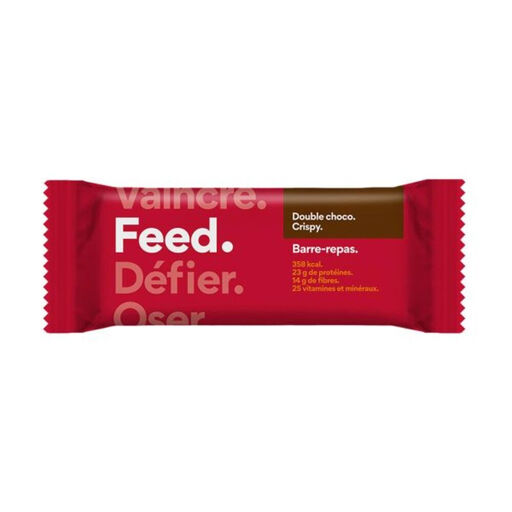 Image unavailable
FEED Chocolate Meal Bar, 100 g
This product is described as a meal bar rather than a simple snack. Before choosing it for an afternoon snack, consider whether the 100 g format is the portion you want. Also check the packaging for milk and gluten-containing cereals.
View on Joybuy
Frequently asked questions
Does the French tax on sugary drinks apply to a chocolate bar?
No, not to a solid chocolate bar. Article 1613 ter of the French General Tax Code, published by Légifrance, applies to drinks and liquid preparations for drinks under the conditions it sets out. When choosing a snack, check the sugars listed on the bar without confusing this with the scope of that tax.
Should you choose a bar based only on its Nutri-Score?
No. If shown on the packaging, Nutri-Score can be a useful additional guide, but it does not replace checking the serving size, nutritional information and ingredients. The French Ministry of the Economy explains that prepacked foods must carry a nutritional declaration, subject to applicable exceptions.
What should you compare between two bars of different weights?
Start with the values per 100 g to compare the recipes on a like-for-like basis, then check what each whole bar provides. Look at protein, sugars, carbohydrates, energy, saturated fat, fibre and salt, as well as the ingredients and allergens.
Is a low-sugar bar automatically suitable for someone with diabetes?
No. According to French Health Insurance, a diet for someone with diabetes must be tailored to their individual needs, and nutritional information should be considered in relation to the amount eaten. Check the full nutritional profile and ask the healthcare professional how the bar fits with the person’s dietary advice.
What should you do before regularly eating a protein bar if you have kidney disease?
Ask your healthcare team for advice and show them the product label. French Health Insurance states that care for chronic kidney disease depends on the individual’s circumstances, so the word ‘protein’ alone is not enough to tell you whether this snack is suitable.


