What should you look at first?
When shopping for match night, start with how you plan to use the bar, then compare the values for the portion you intend to eat. Single bars and multipacks may not meet the same needs.
| Criteria |
What to check |
Who is it for? |
| Protein |
Grams of protein per bar and the weight of the serving. |
If I’m also planning a snack around my sporting activity, I want to know how much protein the whole bar provides. Around 36% of consumers would put this protein need first. |
| Sugars and sweeteners |
Sugars per bar, followed by polyols and any relevant warnings. |
If I want to snack during the match while keeping an eye on sugars, I need to be able to check the value for my portion. Around 29% of consumers would put checking sugars first. |
| Chocolate format |
The weight of each bar and the number of bars in the pack. |
If I’m buying for match night, I’m mainly looking for a chocolatey format that suits the portions I have in mind. This would be the priority for around 21% of consumers. |
| Ingredients and allergens |
The source of the protein, declared allergens and “may contain” warnings. |
If I need to avoid milk or another ingredient, the ingredients in the flavour I choose will determine what I buy. Around 14% of consumers would make this their first check. |
Chocolate bars available on Joybuy
This selection includes protein chocolate bars to enjoy as a match-night snack, as well as two FEED formats, one of which is described as a meal replacement bar. To choose between them, consider how you plan to use each bar, the serving size and the ingredients.
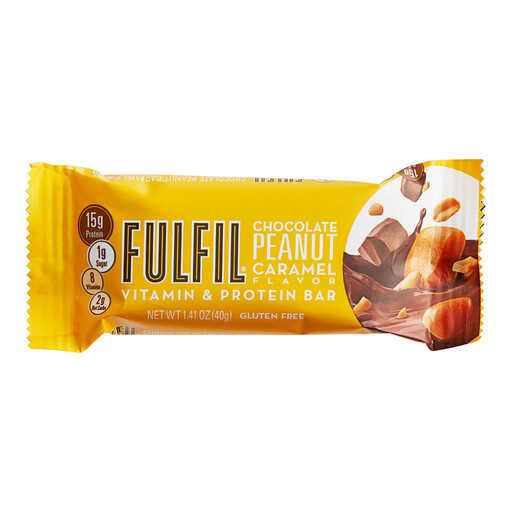 Image unavailable
FULFIL Protein Bar Chocolate Peanut & Caramel, 3 × 40 g
If you’re after a chocolate, peanut and caramel snack, compare the protein and sugars per bar before deciding how many portions to buy. The title states 3 × 40 g, while the product information also mentions a box of 12 bars. Check the pack contents before buying.
The product information lists milk, soya, peanuts and polyols, including maltitol. Check the label if these ingredients are important to your choice.
View on Joybuy
 Image unavailable
Optimum Nutrition Whipped Protein Bar Peanut & Salted Caramel, 10 × 60 g
This multipack is a good option if you’re buying several individually wrapped chocolate bars. To compare it with other bars, check the protein, sugars and polyols per 60 g bar.
The product information lists milk and soya, as well as possible traces of other allergens. It also includes a warning about the possible effects of excessive consumption.
View on Joybuy
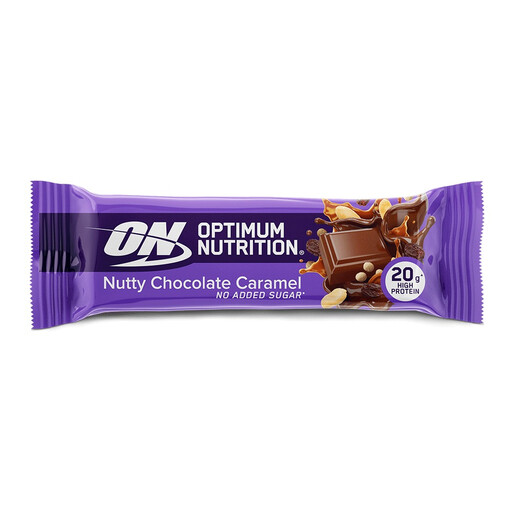 Image unavailable
Optimum Nutrition Nutty Chocolate Caramel Bar, 10 × 70 g
This chocolate and caramel bar comes in 70 g portions. If you’re comparing different sizes for match night, check the sugars and protein for the whole bar, rather than assuming the sugar content from the “no added sugars” claim on the product page.
The product information lists milk, soya and peanuts, as well as maltitol and a warning about excessive consumption.
View on Joybuy
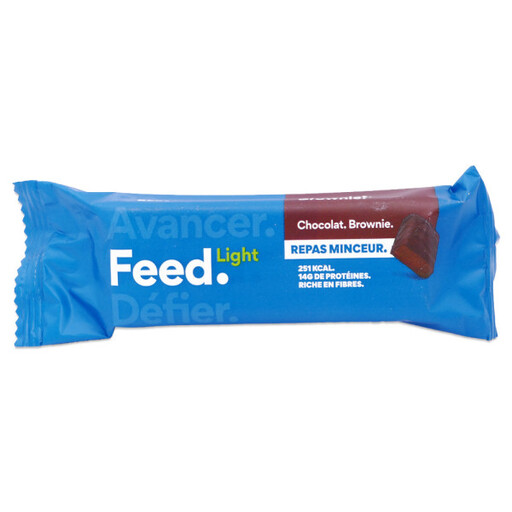 Image unavailable
FEED Chocolate Brownie Bar, 70 g
This chocolate brownie bar is worth considering if you’re looking for a recipe containing plant protein. Its nutritional values are given per 100 g, so take the 70 g serving into account when comparing it with other bars.
The recipe lists soya, hazelnuts, maltitol and sucralose. Check the ingredients list if you need to avoid any of these.
View on Joybuy
Image unavailable
FEED Chocolate Meal Bar, 100 g
The product information describes this 100 g chocolate bar as a meal replacement, not simply a snack to enjoy while watching the match. Choose it with this purpose in mind, rather than comparing it only with smaller snack bars.
The recipe contains gluten and milk. The product information also lists possible traces of nuts, soya and eggs.
View on Joybuy
Frequently asked questions
What does “high in protein” mean on a bar?
Under European Union Regulation (EC) No. 1924/2006, this claim means that at least 20% of the product’s energy value must come from protein. To choose a serving that suits your needs, then check the grams of protein listed per bar.
Is Nutri-Score compulsory on these bars in France?
No. Public Health France states that displaying it is voluntary for producers. Whether or not a bar displays Nutri-Score, check the ingredients list and nutritional information to compare recipes.
What should you check on a bar labelled as low in sugars?
Check the sugars per serving, then the list of sweeteners and any warnings. Some bars contain polyols, and their product information warns that excessive consumption may have a laxative effect.
Which allergens should you check before buying for a group?
Check the highlighted allergens in the ingredients and any “may contain” warnings for each product. Depending on the recipe or factory, the bars featured here may contain milk, soya, peanuts, other nuts, gluten or eggs.
Does France’s soda tax apply to chocolate bars?
No: the levy described by the Ministry for the Economy applies to sugary drinks, not solid chocolate bars. If sugars affect your choice, compare the amount shown on the label of each bar instead.


