Anyone planning a post-workout snack
If you’re exercising before the match, the amount of protein in the bar you’ll eat is a more useful guide than the figure per 100 g alone.


For a football match night, choose according to what matters most to you: comparing protein per bar after exercise, picking up a small snack or finding a recipe suitable for your guests. The protein figure alone isn’t enough to make a decision: also check the serving size, nutritional information, ingredients and allergens for the exact product.
If you’re exercising before the match, the amount of protein in the bar you’ll eat is a more useful guide than the figure per 100 g alone.
If you want something to nibble during the match, compare the energy and sugars per bar, without treating it as a meal in its own right.
When several guests will be helping themselves, ingredients, allergens and warnings about possible traces matter just as much as the nutritional values.
For a football match night, start with what you need from your purchase, then compare the values per serving and the label for the recipe you’ve chosen.
| What to compare | What to check | Who is it for? |
|---|---|---|
| Protein per serving | Grams of protein per bar and the bar’s weight; don’t confuse this figure with the value per 100 g. | After training before the match, I want to know what I’ll get from the bar I’ll actually eat. Around 43% of consumers would prioritise this amount of protein per serving. |
| Energy and sugars | Energy and sugars per bar; check the ingredients too if you want to avoid certain sweeteners. | If I’m simply looking for a small snack during the match, I’ll check the serving size rather than aiming for the highest amount of protein. For around 29% of consumers, energy or sugars would be the main consideration. |
| Ingredients and allergens | Declared allergens and warnings about possible traces on the packaging for the exact flavour. | When the bars are for several guests, I need to take their allergies into account before putting them on the table. Ingredient suitability would be a priority for around 28% of consumers. |
At E.Leclerc, the Eafit Max product listing states 25 g of protein for a 60 g bar, while the 34 g figure given for the classic Eafit product is per 100 g. These figures don’t refer to the same serving size.
To compare what you’ll actually eat, check the values per bar first, then use the figures per 100 g as a secondary guide.
A claim about sugars doesn’t tell you about all the ingredients or any sweeteners it may contain. It’s also not enough to judge whether the recipe is suitable for your guests.
Read the ingredients list for the exact flavour if you want to avoid certain sweeteners or polyols.
According to recipes listed by E.Leclerc and Auchan, ingredients or warnings may mention milk, soya, wheat, egg, peanuts or other nuts, among other things.
Ask about any important dietary restrictions before the evening, keep the packaging handy and have an alternative snack available if needed.
E.Leclerc lists, among other products, a 60 g Eafit Max chocolate bar and a 46 g Eafit chocolate bar.
A chocolate bar sold by E.Leclerc lists an energy value of 90 kcal or less per bar.
Auchan lists a 55 g salty peanut bar, with 20 g of protein per bar according to its product information.
Auchan lists caramel-flavoured protein cereal bars under this brand.
These handy bars are a convenient snack before your evening or after a workout. If you’re sharing them, always check the ingredients and allergens for the flavour you’ve chosen.
 Image unavailable
This multipack could be a good choice if you’re planning to bring bars along for the evening; compare the nutritional values per bar. Before sharing, check the packaging for information about milk, soya, wheat and possible traces.
 Image unavailable
This 55 g individual bar is a handy snack to take with you. If polyols or allergens are a concern, read the ingredients and check the information about milk, soya and almonds in particular.
 Image unavailable
This 55 g bar is easy to take with you for a snack before the match. The name suggests peanuts, but check the allergen information on the exact product’s label before sharing it.
 Image unavailable
This pack of ten bars gives you several portions for the evening. The name mentions peanuts, while the allergen information lists them as a possible trace; check the packaging for the exact product before offering it to anyone else.
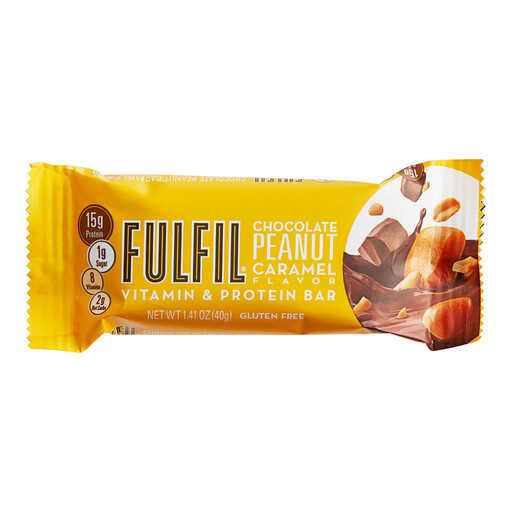 Image unavailable
This pack of three individual bars makes a handy snack to take with you. If you’re sharing them, check the packaging for information about peanuts and wheat; don’t assume from the name that the recipe is suitable for someone avoiding gluten.
No. That claim alone doesn’t mean you need a bar. When choosing a snack, compare the amount of protein in the serving you’ll actually eat and take into account the other foods you’re planning to have.
The value per bar describes the serving you’ll eat, while the figure per 100 g helps you compare products of different sizes. E.Leclerc states that Eafit Max contains 25 g of protein per 60 g bar; the 34 g figure for the 46 g classic Eafit bar, on the other hand, is given per 100 g.
You can’t work out the protein content from the energy value alone. The Milical chocolate bar listed by E.Leclerc has an energy value of 90 kcal or less per bar; check its protein content per serving separately.
Read the ingredients and warnings about possible traces for the exact flavour, then take account of any allergies your guests mention. For example, the Barebells salty peanut bar listed by Auchan contains peanuts and warns that it may contain traces of cereals containing gluten, soya and other nuts.