After a long run
You’re looking for a snack that combines carbohydrates and protein after training. That’s different from fuelling during a race: compare the nutritional values per whole bar and check when it’s intended to be used.


A high-protein bar alone cannot replace the carbohydrate fuelling planned for a marathon. After a long session, compare the carbohydrates and protein in a recovery bar instead. For a snack outside your run, check the sugars, ingredients and how well you tolerate them too. A standard chocolate bar won’t necessarily meet your needs if you’re looking for a high-protein option.
You’re looking for a snack that combines carbohydrates and protein after training. That’s different from fuelling during a race: compare the nutritional values per whole bar and check when it’s intended to be used.
Compare the protein and sugars per serving. The ingredients list matters too, particularly if the recipe contains sweeteners or polyols.
If the chocolate flavour catches your eye, check the protein content of the exact product. A standard chocolate bar and a protein bar won’t necessarily meet the same needs.
First, distinguish between fuelling during a race, recovery after exercise and a snack outside your run. Then compare nutritional information on a like-for-like basis: per bar or per 100 g.
| What matters to you | What to check | Who this is for |
|---|---|---|
| Recovery after endurance exercise | Carbohydrates and protein per whole bar; whether it’s intended for use after exercise. | After a long run, I want a snack that combines carbohydrates and protein, rather than choosing based on protein content alone. Around 36% of consumers prioritise this recovery need. |
| Sugars listed | Sugars per serving and per 100 g; ingredients behind the “no added sugars” claim. | For a protein snack, I want to limit the sugars listed without overlooking the other ingredients. This comes first for around 29% of consumers. |
| Ingredients and tolerance | Allergen labelling, sweeteners, polyols and any product-specific warnings. | If I’m planning to take a bar to training, its ingredients and how well I tolerate it are my main considerations. Around 21% of consumers prioritise this check. |
| Snacking outside a run | Bar format and nutritional values per serving, without confusing them with a fuelling plan. | Between training sessions, I’m mainly looking for an easy-to-carry protein snack, not running fuel. This is a priority for around 14% of consumers. |
A high protein content doesn’t tell you whether a bar is suitable for the carbohydrate fuelling planned during a marathon. A review published in Current Sports Medicine Reports describes the distinct roles of carbohydrates and protein in recovery after endurance exercise.
Choose separately what you plan to consume during the race and after exercise, and practise your fuelling strategy in training.
This claim doesn’t mean you can skip checking the sugars listed or the ingredients. Auchan’s product listing for Barebells White Chocolate Almonds also mentions sweeteners.
Compare the nutritional values and check the ingredients of the exact product before using it around a race.
Depending on the recipe, bars listed by Auchan may contain ingredients such as milk, soya, peanuts or nuts. The flavour name is no substitute for checking the label.
Read the ingredients and allergen information on the packaging of the variant you buy.
Snickers France lists 3.3 g of protein and 19 g of sugars per 37.5 g serving on its product page. This product doesn’t meet the same nutritional needs as a protein bar.
If protein is your main priority, compare the amount per whole serving rather than relying on the chocolatey appearance alone.
The range includes distinct protein bars and chocolate recovery bars.
The brand offers protein bars in chocolatey flavours, including chocolate hazelnut and chocolate peanut caramel.
Auchan’s White Chocolate Almonds product is a protein bar labelled “no added sugars”.
The range includes several sports nutrition protein bars.
Carrefour offers a bar with seeds, almonds and dark chocolate in a pack of four 32 g bars.
This chocolate, caramel and peanut bar offers a point of comparison with protein bars.
This milk chocolate and wafer bar is another classic chocolate format to compare.
These chocolate products are snack or meal bar formats to consider depending on when you plan to use them. Their inclusion here doesn’t mean they can replace a marathon fuelling plan you’ve already tested.
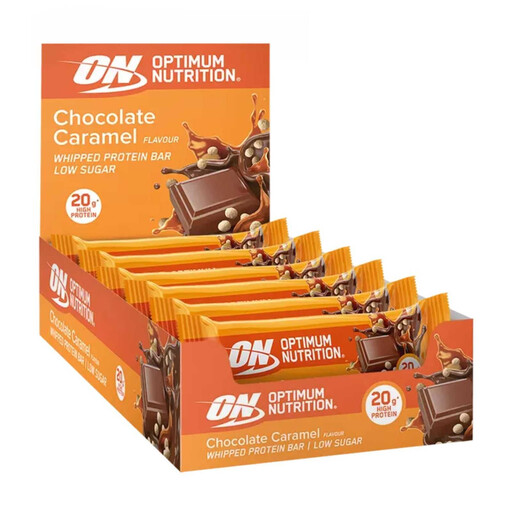 Image unavailable
Consider this as a chocolate caramel snack after training if you’re looking for an individually wrapped option. The box contains 10 bars of 60 g each. Before taking one to training, check the packaging for the nutritional values, ingredients and allergens in this variant.
 Image unavailable
This individually wrapped chocolate peanut bar could be included when comparing post-exercise protein snacks. For this 55 g bar, check the carbohydrates and sugars per serving, then review the ingredients if tolerance or allergens are important to you.
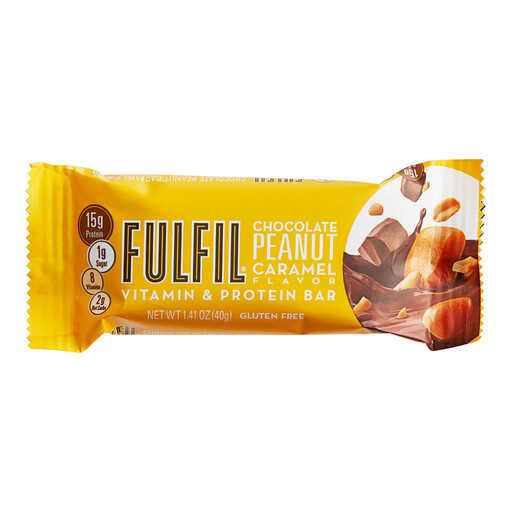 Image unavailable
This pack of three 40 g chocolate peanut caramel bars is worth comparing as an on-the-go snack outside a run. Don’t assume the nutritional values are the same as those of another Fulfil bar: check the nutrition information and allergens for this exact format.
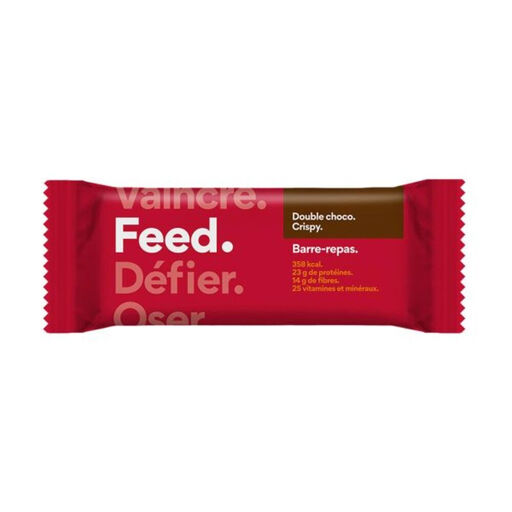 Image unavailable
The name identifies this 100 g chocolate bar as a meal bar, which is different from a bar specifically designed for recovery. If you’re considering eating it after a session, compare the carbohydrates, protein and sugars per whole bar, as well as the ingredients.
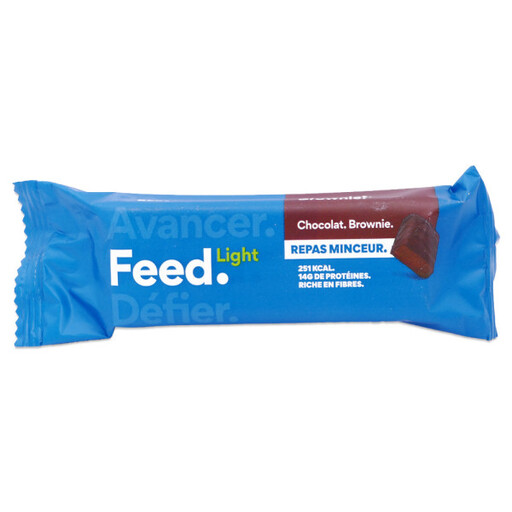 Image unavailable
Compare this as a 70 g chocolate snack rather than assuming it’s suitable for fuelling a run. If the nutritional information is given per 100 g, work out the values for the bar you plan to eat. Check the ingredients and allergens on the packaging too.
Its protein content alone doesn’t tell you whether it’s suitable for fuelling during a race. For recovery after endurance exercise, a review published in Current Sports Medicine Reports distinguishes the role of carbohydrates in restoring glycogen from the role of protein. Stick to carbohydrate fuelling you’ve already tested in training during the race.
No, not under the levy set out in Article 1613 ter of the French General Tax Code. According to Légifrance, subject to the conditions set out in that article, it applies to drinks and liquid preparations intended for human consumption. A solid chocolate bar is not covered.
No. The French Directorate General for Competition Policy, Consumer Affairs and Fraud Control describes Nutri-Score as a voluntary label. It also explains that a nutrition declaration is compulsory for prepacked foods covered by this requirement. To compare two bars, check the nutritional values and stated serving size; don’t assume a product is right for you based on a single score.
Check the sugars listed per serving, then read the ingredients and allergen information: the claim doesn’t mean “sugar-free”. Auchan’s Barebells White Chocolate Almonds product also contains sweeteners. Check the exact recipe rather than assuming the same applies to all bars.
Before eating it, check the ingredients, allergens and warnings on the packaging of the exact product. Recipes may vary by flavour. The warning about excessive consumption found on an Eafit product page applies to that specific product, not all protein bars.