Parents preparing several lunchboxes
A multipack of individually wrapped portions makes it easy to spread the bars across several days. Check the weight of each bar, though: the number of bars alone doesn’t tell you how large the portions are.


For a secondary school pupil’s lunchbox, first choose a portion with ingredients and allergens that are suitable for them. Then compare the nutritional values per bar and the number of bars in the multipack. A small protein cereal bar can be a handy option if you want portions that are easy to divide between lunchboxes. A larger protein bar may suit a specific need, but check the label before choosing one.
A multipack of individually wrapped portions makes it easy to spread the bars across several days. Check the weight of each bar, though: the number of bars alone doesn’t tell you how large the portions are.
If a pupil needs to avoid certain ingredients, the label for the specific recipe matters more than the product range name. The DGCCRF reminds shoppers that allergens in prepacked foods must be highlighted in the ingredients list.
For a snack chosen in connection with, for example, a sporting activity, compare the protein per bar with the full serving and its other nutritional values. Don’t rely on the word ‘protein’ alone.
When preparing a secondary school pupil’s lunchbox, start with your main priority: a format that’s easy to divide up, a recipe that suits the pupil or a specific protein content.
| What to consider | What to check | Who is it for? |
|---|---|---|
| Portion and multipack | Individual wrapping, number of bars and weight of each bar. | When I’m preparing several lunchboxes, I want to be able to pop an individually wrapped portion into a bag without having to split a large bar. Around 40% of consumers put this convenience at the top of their list. |
| Ingredients and allergens | Ingredients list, highlighted allergens and any ‘may contain’ warnings for the exact recipe. | If a pupil needs to avoid an ingredient, I need to be able to check each flavour before adding it to their lunchbox. This suitability is the top priority for around 30% of consumers. |
| Protein content | Protein and other nutritional values per bar, as well as any warnings on the packaging. | For a snack chosen in connection with a sporting activity, I look for the protein content stated for the whole portion, without overlooking the rest of the label. Protein content comes first for around 30% of consumers. |
This claim doesn’t tell you about the whole portion or its overall composition. The Anses reminds us that protein comes from a range of food sources.
Compare the nutritional information per bar, including protein, sugars, fat and salt, in line with how you plan to use it.
Ingredients and ‘may contain’ warnings can vary from one recipe to another, even within the same range.
Read the ingredients list and warnings for the exact product before putting it in the lunchbox.
A 55 g bar is not the same size portion as a 32 g cereal bar. Carrefour’s product page for a Powerbar Protein Plus states that a 55 g bar contains 17 g of protein; these figures don’t apply to other products.
Check the weight, nutritional values per bar and product-specific warnings before making it a regular snack.
A product listed by one retailer isn’t guaranteed to be available in the shop or service you use.
Check that the product and format are available before planning several lunchboxes around the same bar.
If a product is unavailable, you may have to change the snacks you’ve already planned.
Carrefour stocks a range of protein bars in multipacks, including a pack of 15 bars weighing 55 g each.
Auchan’s range includes Auchan Eat'N Move protein cereal bars in a pack of 5 × 32 g.
Aldi France has listed a pack of four protein cereal bars, including chocolate and peanut or salted caramel flavours.
This selection includes multipacks of protein bars, an individual bar and a protein wafer. For a secondary school pupil’s lunchbox, compare portion sizes and check the ingredients and allergens on the exact packaging.
 Image unavailable
A multipack to consider if you want to spread bars across several lunchboxes. The title states 650 g for 10 bars. Check that the packaging is clearly branded Optimum Nutrition, then read the ingredients and allergen information before choosing this product for a pupil.
 Image unavailable
This multipack lets you prepare individual portions, provided the recipe is suitable for the pupil. Check the protein content per bar and the allergen information on the packaging: the information available for this product differs on these points.
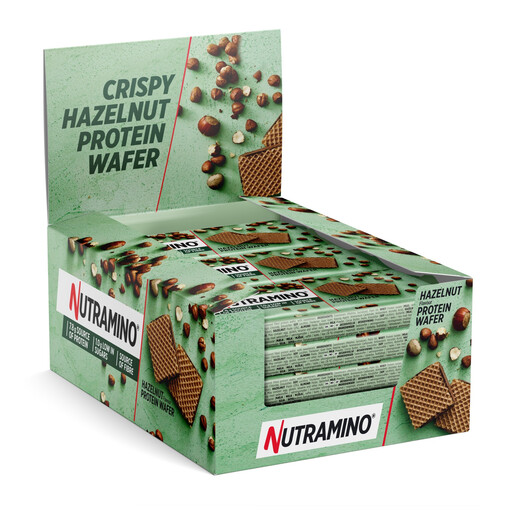 Image unavailable
This is a protein wafer, not a cereal bar. The title states 12 units of 39 g, but the information about the pack quantity is inconsistent. Check the pack contents and allergen information before planning portions.
 Image unavailable
This product is listed as a 55 g bar, with no multipack specified in the title. If you’re looking for an occasional portion, check the ingredients, allergen information and warnings on the packaging before putting it in the lunchbox.
No. This claim alone doesn’t tell you about the portion size or ingredients. Check the ingredients, allergens and nutritional values for the bar you’ve chosen. As the Anses points out, protein is also found in other foods.
Read the ingredients list, highlighted allergens and any ‘may contain’ warnings for the exact product and flavour. The DGCCRF states that allergens in prepacked foods must be highlighted in the ingredients list.
Leave it in its individual wrapper and follow the storage instructions on the packaging for the product you’ve chosen. Also check that it fits in the lunchbox without needing to split the portion.