People looking for a post-workout snack
If you’re planning to eat a bar after a workout, check the protein content listed for a whole bar and its weight. For example, Carrefour lists a 55 g Andros Sport chocolate and peanut bar with 20 g of protein.


To round off a get-together with friends, choose a bar to suit how you plan to serve it: as an individual post-workout snack, a sweet treat to share out, or a recipe that avoids ingredients your guests need to steer clear of. Compare the nutrition information per bar and check the allergens for the exact product; the words “high protein” alone don’t tell you what else it contains.
If you’re planning to eat a bar after a workout, check the protein content listed for a whole bar and its weight. For example, Carrefour lists a 55 g Andros Sport chocolate and peanut bar with 20 g of protein.
An individually wrapped bar can add something sweet to a selection without taking centre stage at your get-together. Chocolate, caramel and nuts affect the flavour, as well as the ingredients you’ll need to check before serving.
If guests tell you they have an allergy, check the recipe and any “may contain” warnings on the exact packet. Depending on the product, the options listed by Carrefour and E.Leclerc include milk, soya, peanuts, wheat, nuts or egg.
For a get-together, start with the need that will actually determine your choice, then compare portions intended for the same purpose rather than focusing only on the claim highlighted on the packaging.
| What matters | What to check | Who is it for? |
|---|---|---|
| Protein per bar | The protein content and weight of one bar, as well as any product-specific usage guidance. | After a workout, I want to know how much protein I’ll get from the portion I’m going to eat. Around 33% of consumers are said to make protein content their top priority. |
| Flavour and portions | The flavour, number of bars and weight of each portion. | If I’m serving a sweet treat that’s easy to share with friends, flavour and individual portions come first; this is said to be the priority for around 25% of consumers. |
| Nutritional composition | Energy, sugars, fat and salt per bar; fibre too, if that matters to you. | If I’m already planning to serve several other foods, I want to know what a whole bar adds to the spread. Around 25% of consumers are said to look at its nutritional profile first. |
| Ingredients and allergens | The ingredients list, highlighted allergens and any “may contain” warnings on the exact packet. | If a guest needs to avoid certain ingredients, I check the recipe before serving it; ingredient suitability is said to be the main consideration for around 17% of consumers. |
In practice, these priorities can overlap: someone who chooses a bar for its protein content may also need to check for allergens. Nutritional information should be read for the portion you’re actually serving.
Protein content doesn’t tell you everything about a product’s nutritional values. Carrefour’s listings show that a 35 g Kellogg’s Caramel & Almond bar contains 173 kcal and 9.5 g of fat, while a 55 g Andros Sport chocolate and peanut bar contains 228 kcal and 9.4 g of fat: the bars are not the same weight.
Compare the protein, energy, sugars, fat and salt per bar before choosing which portion to serve.
Ingredients vary from one recipe to another. The examples listed by Carrefour and E.Leclerc include milk, soya, peanuts, nuts, wheat or egg, depending on the product.
Ask your guests if they need to avoid any ingredients, and keep the packaging so they can check the ingredients lists.
A flavour description or a protein claim doesn’t tell you everything about a portion. EU rules on food labelling require prepacked foods to include nutritional information and allergens present in the ingredients list to be highlighted.
Read the nutritional information and ingredients for the exact product, and distinguish between values per 100 g and per bar.
The differences below relate to the products mentioned, not every product from each brand. The same brand may offer a range of recipes and formats.
Carrefour lists a HiPRO protein bar in caramel flavour, among other products.
The chocolate and peanut product listed by Carrefour is an individually wrapped bar intended for post-workout consumption.
The Caramel & Almond product listed by Carrefour is a protein cereal bar, sold in packs of four 35 g bars.
The chocolate and orange product listed by E.Leclerc belongs to a range for which the manufacturer specifies particular usage guidance.
E.Leclerc lists a 46 g Eafit chocolate protein bar intended as an individual snack.
Carrefour lists a Protein seeds and chocolate cereal bar product.
These individually wrapped bars can add distinct portions to a get-together; some are also marketed as snacks to have around a workout. Flavours and formats vary, so check the ingredients for each product before serving.
 Image unavailable
A peanut and salted caramel option to serve as individual portions. The pack contains ten 60 g bars; if you’re serving them to guests, check the ingredients and allergens on the packet.
 Image unavailable
This 55 g chocolate and peanut bar is an individual snack for people looking for a stated amount of protein per portion after exercise. Carrefour’s listing for the Andros Sport chocolate and peanut product states that each bar contains 20 g of protein; check the allergens on the packet you buy before serving.
 Image unavailable
An individual 55 g bar in salted caramel flavour, worth considering as part of a sweet selection. If ingredients matter to you, check the list on the exact packet rather than relying on the flavour alone.
 Image unavailable
This pack of ten 65 g bars is a good choice if you’d like to serve individual portions in Marshmallow Crunch flavour. Compare the values per bar with other formats intended for sharing, and keep the packaging handy so guests can check for allergens.
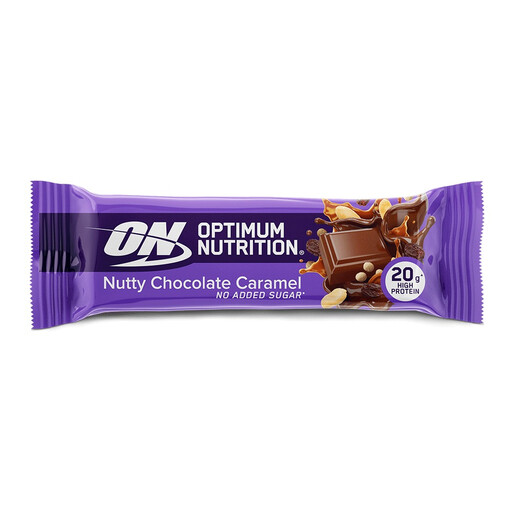 Image unavailable
The chocolate and caramel flavour and pack of ten make it easy to serve individual portions. Each bar weighs 70 g, so bear this size in mind if you’re serving other foods too, and check the ingredients before offering one to guests.
No. Start by checking how much protein you’ll get from the bar you plan to eat and any guidance specific to that product. Carrefour and E.Leclerc list 20 g for a 55 g Andros Sport chocolate and peanut bar and 9 g per bar for the Milical chocolate and orange product, respectively; the protein claim alone doesn’t make them interchangeable.
They can be an individual sweet option, but they don’t make for a varied spread on their own. Manger Bouger recommends limiting foods that are high in fat, sugar or salt, as well as ultra-processed foods, so plan the rest of your spread accordingly rather than choosing every portion based on a protein claim.
Always check the exact product and any “may contain” warnings. Depending on the recipe, the examples listed by Carrefour and E.Leclerc include milk, soya, peanuts, other nuts, wheat or egg. EU rules require allergens present in the ingredients list of prepacked foods to be highlighted.
No, that alone isn’t enough to judge a bar. Compare the sugars, energy, portion size and ingredients list according to what you plan to serve. ANSES states that consumption of high-intensity sweeteners has not been shown to benefit weight control in the food uses it examined.
Both are useful for different reasons: values per 100 g help you compare products of different weights, while values per bar tell you about the portion you’ll be serving. For a get-together, also check how many bars are in the pack and the allergens in the recipe you choose.