People grabbing lunch between journeys
An individually wrapped portion slips into your bag or can be kept close at hand at work. If you’re relying on it to tide you over at lunchtime, decide what else you’ll have with it.


For lunch on the go, choose an individually wrapped protein bar as a snack or an addition to your meal. Don’t assume it’s a meal replacement unless it’s explicitly marketed as one. The bar’s weight can help you choose a portable size, but its nutritional information per serving, ingredients and what you plan to eat with it will give you a better idea of its role at lunchtime.
An individually wrapped portion slips into your bag or can be kept close at hand at work. If you’re relying on it to tide you over at lunchtime, decide what else you’ll have with it.
If protein content matters to you, compare the amount in the bar you’ll actually eat, rather than looking only at the figure per 100 g. Also check the other nutritional values and the ingredients in the specific recipe.
Before choosing a size or multipack, check the ingredients and allergen information for every flavour. A plant-based recipe, for example, may contain wheat or soya.
First decide whether the bar will be a snack or an addition to lunch. Then compare the serving size, ingredients and packaging.
| What to consider | What to check | Who is it for? |
|---|---|---|
| Its place in your lunch | The product description and stated purpose: snack, addition to a meal or meal replacement. | When I’m short on time at lunchtime, I want to know whether the bar is meant to go with other foods rather than rely on it by itself. Around 33% of consumers would make this distinction their main consideration. |
| Protein per bar | The amount per serving you’ll eat, followed by the nutritional information per 100 g. | If I want a snack whose protein content I can compare, the amount per bar matters more than a claim on the front of the pack alone. Around 25% of consumers would prioritise this comparison. |
| Ingredients that suit your needs | The ingredients in your chosen flavour and any allergen or ‘may contain’ information. | If I need to avoid an ingredient, another flavour from the same brand doesn’t guarantee that this recipe will be suitable. Ingredients would be the main consideration for around 25% of consumers. |
| Portable format | The number of bars, the weight of each one and whether they’re individually wrapped. | If I want to keep several portions handy for regular trips, I prefer to know what’s in the multipack before choosing it. Around 17% of consumers would prioritise this practical aspect. |
A bar’s weight alone doesn’t tell you whether it can serve as lunch. For prepacked foods, the nutritional information, net quantity and ingredients help you compare recipes; the DGCCRF highlights their role in food labelling.
A bar intended as a snack isn’t necessarily meant to be used in the same way as a product marketed as a meal replacement. Its protein content alone doesn’t tell you everything about your lunch.
Before you buy, decide whether you want a snack, an addition to your meal or a product explicitly designed to replace a meal. If you’re having a standard bar at lunchtime, plan to eat other foods too, depending on your appetite and circumstances.
Two bars of different weights aren’t the same serving size. Looking at the protein amount in isolation also tells you nothing about sugars, fat, salt or energy.
Compare the nutritional information per 100 g, then per bar if that figure is shown on the packaging. Take into account how many portions you’ll actually eat.
These claims describe different things. Barebells also states that its bars aren’t low-calorie or reduced-calorie foods.
Read the nutritional values and ingredients for the product you’ve chosen, rather than drawing a general conclusion from a single claim on the front of the pack.
Ingredients can vary from one recipe to another. A plant-based bar may contain wheat or soya, for example, while another recipe may contain milk or peanuts.
Check the label and any ‘may contain’ information for each product before choosing an assortment. If you need to avoid an allergen, don’t rely on the range name alone.
A multipack with several bars that don’t meet your dietary requirements won’t be much use as a handy snack stash.
These examples relate to specific ranges and products. Always check the flavour and pack size you’re planning to buy.
Carrefour lists multipacks of four 32 g protein bars under this brand, for anyone looking for smaller portions.
Carrefour lists 45 g HiPRO bars, including a caramel-flavoured recipe.
The brand offers Original bars and a Vegan Caramel Choco Chip recipe, among others, with different ingredients to suit different preferences.
E.Leclerc lists Milical bars as snacks within a range focused on managing your intake. This is a different purpose from choosing a bar simply to add to lunch.
E.Leclerc lists 46 g Eafit protein bars as well as 90 g gainer bars.
This selection includes individually wrapped bars to take with you, sold singly or in multipacks, as well as an energy bar sold in a multipack. Consider them as snacks or additions to lunch, not as meal replacements simply because of their format.
 Image unavailable
An individual 55 g portion to consider as a portable snack or an addition to a quick lunch. Before choosing it, check the nutritional information, ingredients and allergen details for this chocolate and peanut recipe on the label.
 Image unavailable
This 55 g bar is a handy individual portion to slip into your bag. If you’re comparing it with other recipes, check the values per bar as well as the ingredients and allergen information for the salted caramel flavour.
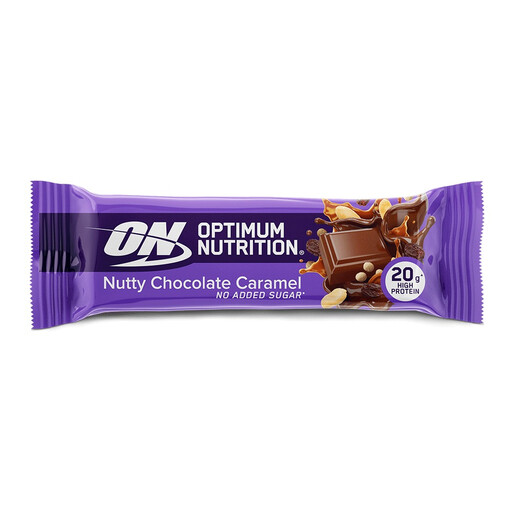 Image unavailable
The pack of ten 70 g bars can help you stock up on snacks to take with you. As each bar is larger than the 55 g options above, compare the values per portion and consider what role it will play in your lunch.
 Image unavailable
This pack of ten 60 g bars is handy if you regularly need portions to take with you. If protein content is a key factor in your choice, check the amount on the label of the product you receive. Also check the ingredients and allergen information before choosing the multipack.
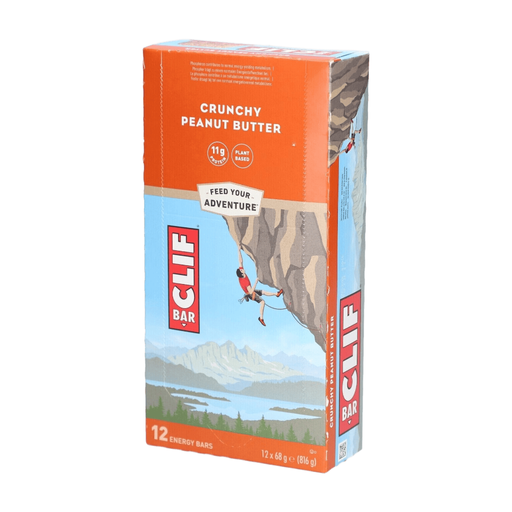 Image unavailable
This peanut butter energy bar comes in a pack of twelve 68 g portions, ideal if you want to stock up on snacks to take with you. Don’t assume it’s a protein bar just because it features in this selection: compare its product description and nutritional information with those of the other products.
Not simply because it contains protein. A bar marketed as a snack can be an addition to a quick lunch. If you want to replace a meal, check that the product is explicitly intended for that purpose and read its guidance rather than assuming from its name.
Start with the nutritional information per 100 g, then check what each bar you plan to eat contains. Compare energy, protein, sugars, fat, fibre and salt in particular, rather than drawing conclusions from just one value.
No. This claim alone doesn’t tell you how much energy the product provides. Barebells states that its bars aren’t low-calorie or reduced-calorie foods. Check the values for the recipe and portion you’ve chosen.
Read the ingredients and any ‘may contain’ information for each flavour. Don’t assume the ingredients in one bar apply to the whole range. The DGCCRF notes that ingredients are part of the labelling information for prepacked foods. This is particularly important if you need to avoid a specific ingredient.