Hikers planning a snack after their walk
You’re looking for a portion with clearly stated amounts of protein and carbohydrates. Bars marketed for recovery don’t necessarily meet the same needs as a snack during your walk.


For a break during your walk, choose a bar whose portion size and ingredients suit the snack you have in mind. After exercise, a bar that combines carbohydrates and protein serves a different purpose, but you won’t necessarily need one after every hike. In either case, compare the nutritional values per bar and per 100 g, particularly the sugars and allergens.
You’re looking for a portion with clearly stated amounts of protein and carbohydrates. Bars marketed for recovery don’t necessarily meet the same needs as a snack during your walk.
You want a chocolate bar that’s easy to carry and lets you compare its protein content, without necessarily looking for a formula designed for after exercise.
You check the portion size, sugars, fat and ingredients list. If any ingredients are a concern for you, also check the allergens and ‘may contain’ information for each variant.
First decide whether the bar is for a break during your walk or a snack afterwards. Then compare portion sizes, as these vary between products.
| What matters to you | What to check | Who is this for? |
|---|---|---|
| Snack after exercise | Protein, carbohydrates and sugars per bar, as well as the recommended time to eat it. | After a long walk, I’m looking for a bar that combines carbohydrates and protein, rather than just a snack to eat while walking. Around 36% of consumers would make this their priority. |
| Protein snack to take with you | Protein per bar and the portion weight; to compare two sizes, also check the values per 100 g. | For a break on the trail, I want to know how much protein the bar I’m carrying provides. This would be the main priority for around 29% of consumers. |
| Comparing sugars | Sugars and carbohydrates per bar and per 100 g, rather than relying on the word ‘protein’ alone. | If I’m having a bar as a snack, I want to check its sugar content before focusing on how much protein it contains. Around 21% of consumers would put this comparison first. |
| Ingredients and allergens | The ingredients list, highlighted allergens and ‘may contain’ information for the variant you choose. | If certain ingredients don’t suit me, their presence matters more than the format or protein content. Around 14% of consumers would make this check their priority. |
The DGCCRF notes that most prepacked foods display nutritional information on the label. Where shown, Nutri-Score can complement the nutrition table, but it doesn’t replace comparing portion sizes and ingredients.
According to Decathlon, its chocolate recovery bar provides 20 g of protein and 20 g of sugars per 60 g portion. One figure doesn’t tell you the other.
Compare the protein, carbohydrates and sugars in the bar you plan to take with you, bearing in mind when you’ll eat it.
Decathlon describes its recovery bar as a product to eat after exercise. That doesn’t mean its nutritional profile is suitable for every hiking break.
For a snack during your walk, compare its portion size and ingredients with those of a bar designed for snacking.
In France, displaying Nutri-Score is voluntary, according to the Ministry of the Economy. Its absence alone doesn’t tell you whether a product has a good nutritional profile.
Read the nutritional information and ingredients. Use Nutri-Score as an additional guide when it appears on comparable products.
A seed and chocolate bar may contain several allergens. The Carrefour Sensation product information mentions possible traces of cereals containing gluten, peanuts and other nuts, among others.
Check the label for the flavour and pack you’re buying before putting the bar in your bag.
The range includes chocolate bars for snacking as well as options marketed for after exercise.
The product reviewed combines seeds, almonds and dark chocolate in a 4 × 32 g pack.
The chocolate and almond bar listed at Carrefour comes in a box of 12 and, according to its product information, contains whey protein.
Carrefour lists a PUNCH POWER chocolate protein bar in an individual 55 g size.
These options cover a range of chocolate snacks to consider for a day’s walking: a protein bar, a meal bar, an outdoor activity bar and a brownie bar. Compare their portion sizes and ingredients with your intended use in mind; not all of them are recovery bars.
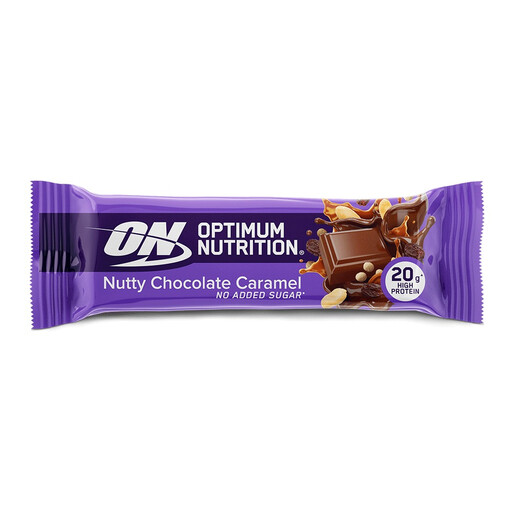 Image unavailable
Worth considering if you want to take a chocolate bar with a stated protein content per portion. The product information on Joybuy states that each 70 g bar contains 20 g of protein and 6.2 g of sugars.
Contains milk, soya and peanuts; may contain traces of gluten, eggs and nuts. The product description notes that excessive consumption of maltitol may have a laxative effect.
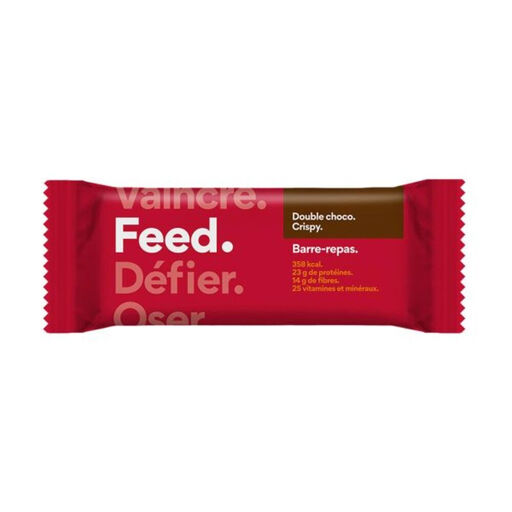 Image unavailable
This bar is marketed as a meal replacement rather than a small walking snack. Its product information on Joybuy states that the 100 g bar contains 23 g of protein, 405 kcal and 15 g of sugars. Bear the portion size in mind when deciding if it’s right for you.
Contains gluten and milk; may contain traces of nuts, soya and eggs.
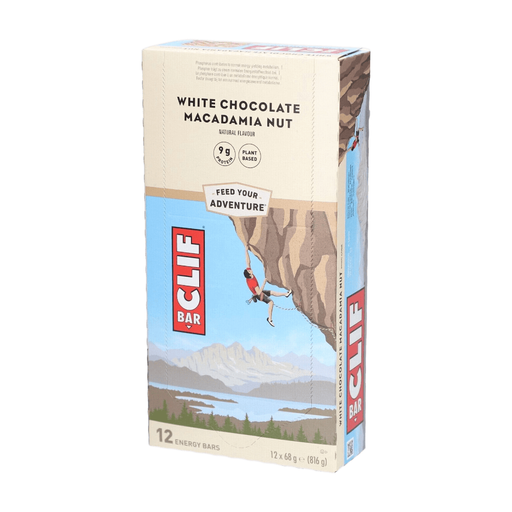 Image unavailable
Worth comparing as a snack during outdoor activities, rather than choosing it based on its protein content alone. The product information on Joybuy states that each 68 g bar contains 9 g of protein and 18.2 g of sugars.
Contains oats, soya, barley and macadamia nuts. May contain traces of other allergens, including peanuts, milk, sesame, rye or wheat.
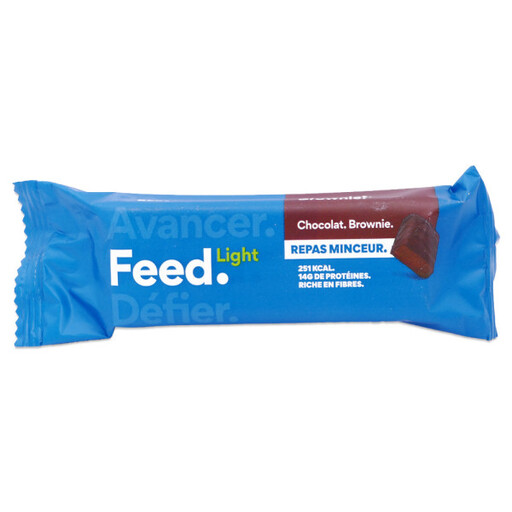 Image unavailable
Consider it as a chocolate snack if you’d like to compare a recipe containing plant-based protein. The product information on Joybuy states that it contains 20 g of protein per 100 g; check the label to compare the values for the 70 g bar with those of other portion sizes.
The ingredients include soya, pea, hazelnuts, maltitol and sucralose. Check the full allergen information on the packaging.
No. The Ministry of the Economy explains that displaying it is voluntary in France. When comparing prepacked bars, also check their nutrition declaration, which is generally compulsory, and their ingredients.
First check the values per 100 g to compare their ingredients on a like-for-like basis, then look at the values per bar to see what you’ll be carrying. Pay particular attention to protein, carbohydrates, sugars and fat. The DGCCRF notes that these details appear in the nutrition declaration for relevant prepacked foods.
No. The word ‘protein’ alone doesn’t tell you about the carbohydrates, sugars or portion size. If you’re specifically looking for a bar that combines carbohydrates and protein after exercise, check these values on the product you choose. For a simple break, compare bars based on the snack you want to take with you.
Read the ingredients list, highlighted allergens and any ‘may contain’ information for the variant you’re buying. For example, the product information for a Carrefour Sensation bar mentions possible traces of cereals containing gluten, peanuts and other nuts. Don’t assume the same information applies to all chocolate bars.