When choosing a post-workout snack, first compare the protein in the whole bar, then check the sugars, ingredients and allergens. The words “high protein” alone aren’t enough to distinguish between recipes. The right choice depends on what you want from your snack and how it fits into your diet; a stated protein content doesn’t, by itself, guarantee any effect on recovery.
Who are these bars for?
People who want to know how much protein is in each bar
After a workout, you may be looking for a snack with a clearly stated protein content. Compare the grams per portion you’ll actually eat, without treating the bar as an automatic meal replacement.
Chocolate lovers keeping an eye on sugars
You want something with a confectionery-style feel while keeping an eye on sugars. Check the bar’s size and ingredients too: a claim about sugars doesn’t, on its own, tell you whether it contains sweeteners or polyols.
People checking allergens and ingredients
Depending on the product, recipes may contain milk, soya, peanuts or wheat, as well as polyols. Check the ingredients, any stated traces and the warnings for the variant you’ve chosen.
What should you compare?
To compare bars of different sizes, start with the portion you plan to eat, then check the nutritional information against the ingredients.
| Criteria |
What to check |
Who is it for? |
| Protein per bar |
The grams per portion and the bar’s weight, rather than just the word “protein”. |
After exercise, I want to know what I’ll get from the snack I’m going to eat. Around 36% of consumers put the protein content per bar at the top of their list of criteria. |
| Sugars and energy |
Sugars and energy per portion, followed by the figures per 100 g to compare recipes. |
If I’m keeping an eye on the sugars or energy in my snack, the bar’s size matters just as much as the figures shown. This is a priority for around 29% of consumers. |
| Allergens and tolerance |
Ingredients, traces of allergens and warnings about polyols for the specific flavour. |
If a recipe doesn’t suit my dietary requirements or digestive tolerance, I’ll rule it out even if I like the taste; around 21% of consumers make this their first check. |
| Taste and format |
Flavour, texture and the number of bars in the pack, making sure not to confuse a cereal bar with a protein bar. |
For a snack to take with me after a workout, I look for a format and flavour that suit me. Around 14% of consumers prioritise this convenience. |
Mistakes to avoid
-
Expecting a protein bar to guarantee recovery
The amount of protein varies from one portion to another. This figure alone isn’t enough to determine what someone needs after exercise.
Compare the protein per bar and treat it as a snack within your overall diet, not as a meal that can automatically be replaced.
-
Choosing a bar based only on its sugar claim
Some recipes contain sweeteners or polyols. Product listings warn that excessive consumption may have a laxative effect.
As well as checking the sugars listed in the nutritional information, read the ingredients and warnings for the variant you’re buying.
-
Treating the Nutri-Score as a requirement or a verdict
In France, the DGCCRF states that displaying the Nutri-Score is voluntary. Nutritional information is compulsory for most pre-packed foods.
If the packaging displays a Nutri-Score, use it as additional information. Also compare the figures per 100 g, the portion size and the ingredients.
-
Relying on the allergen information for a different flavour
Ingredients and stated traces may differ between two products in the same range. Depending on the product, the recipes in question may contain milk, soya, peanuts or wheat.
Check the label for the flavour and pack you’re planning to buy.
Brands to know
Andros Sport
The range includes a chocolate and peanut bar marketed as a snack for after exercise.
- The Carrefour France listing states that this 55 g bar contains 20 g of protein.
- The recipe includes milk, wheat, peanuts and soya. Check the label if you need to avoid any of these ingredients.
Mars (Snickers Hi Protein)
The Snickers Hi Protein Low Sugar variant retains its chocolate, caramel and peanut profile.
- A partner retailer’s listing on Carrefour France states that the variant reviewed contains 20 g of protein and around 2 g of sugars per 57 g bar.
- Check the variant and its ingredients: the listing notes possible allergens or traces, as well as a warning about excessive consumption.
Barebells
The range includes a salted caramel Soft Protein Bar designed as a snack.
- The listing on Carrefour France states that this product contains 16 g of protein.
- Check the sugars, ingredients, allergens and warnings on the packaging before choosing this flavour.
HiPRO
The caramel product reviewed is a 45 g protein bar sold in the chilled aisle.
- The Carrefour France listing states that each bar contains 15 g of protein.
- The recipe includes milk, soya, maltitols, sucralose and hydrolysed collagen. Check that it meets your dietary requirements.
Carrefour Sensation
Carrefour France’s “Nutrition and Protein” range includes Protein cereal bars and protein bars.
- This variety gives you different types of bars to compare, as long as you check which category each product belongs to.
- Don’t assume that two bars in the range have the same nutritional content: check the information for each one.
Chocolate bars available on Joybuy
These chocolate products are worth considering as snacks to take with you before or after a workout. To compare them as post-workout options, check the nutritional content for the exact portion and the ingredients of each variant.
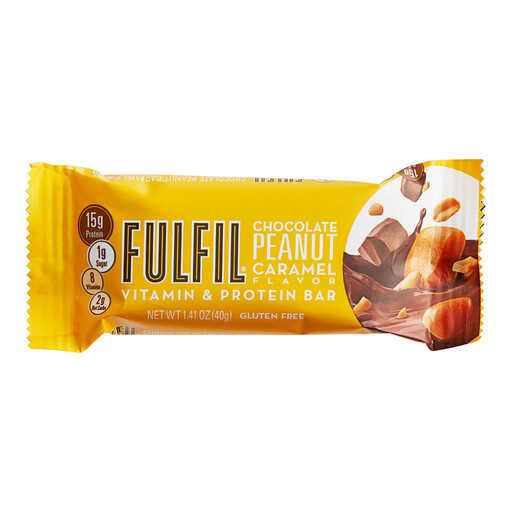 Image unavailable
FULFIL Protein Bar Chocolate Peanut & Caramel, 3 × 40 g
The pack of three 40 g bars could suit you if you want individual portions to take with you. Before choosing one as a post-workout snack, check the pack for the protein and sugars per bar, as well as the polyols and allergens in the chocolate, peanut and caramel flavour.
View on Joybuy
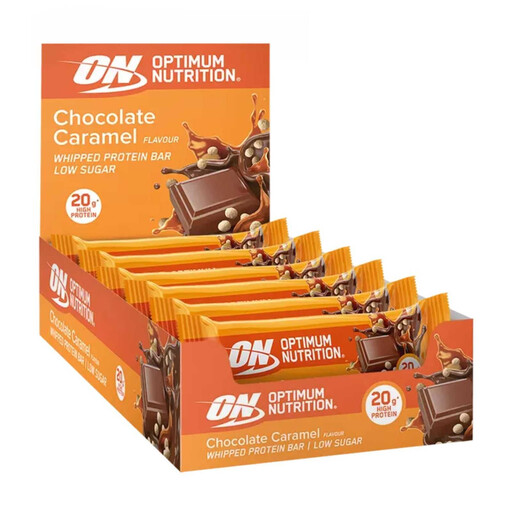 Image unavailable
Optimum Nutrition Whipped Protein Bar Chocolate Caramel, 10 × 60 g
This pack of ten 60 g bars is for anyone looking for chocolate and caramel flavour in multiple portions. Before choosing it as a post-workout snack, check the label for the protein per bar for your specific variant: the amounts shown in the product information vary. Also read the ingredients list and any warnings about polyols.
View on Joybuy
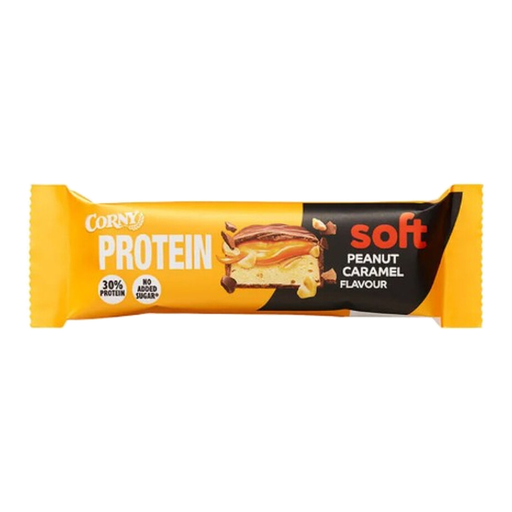 Image unavailable
Corny Protein Peanut Caramel Flavor, 45 g
This 45 g bar may appeal if you prefer an individual portion with peanut and caramel flavour. Check the protein and sugars per bar on the packaging: figures per 100 g don’t directly reflect the portion you’ll eat. Check the allergens too.
View on Joybuy
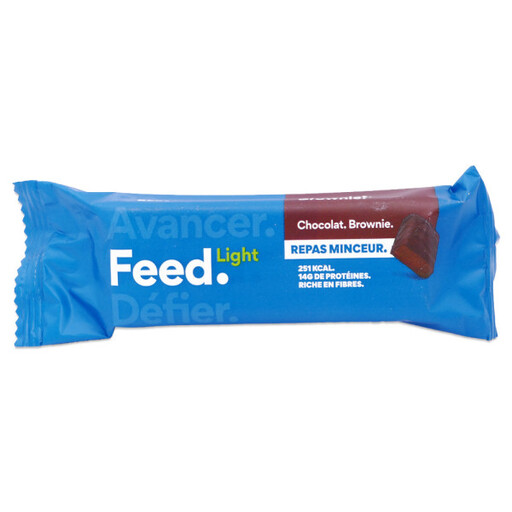 Image unavailable
FEED Chocolate Brownie Bar, 70 g
The 70 g chocolate brownie bar could suit you if you want to take just one bar with you. To compare it with other post-workout snacks, check the label for the protein and sugars per portion, not just per 100 g. Also check the ingredients and allergens.
View on Joybuy
Frequently asked questions
Are protein chocolate bars subject to France’s “soda tax”?
No. A solid bar isn’t classed as a drink or a liquid preparation for drinks covered by Article 1613 ter of the French General Tax Code, as in force in October 2026. It’s still worth comparing the sugars listed in its nutritional information.
Does a protein bar sold in France have to display the Nutri-Score?
No. According to the DGCCRF, displaying the Nutri-Score is optional; nutritional information is compulsory for most pre-packed foods. If the logo isn’t shown, don’t assign the product a score: check the nutritional values and ingredients list instead.
What should I check if some ingredients don’t suit me?
Before buying, read the ingredients and any stated traces for the exact flavour you’re considering. Depending on the product, a bar may contain milk, soya, peanuts, wheat or polyols. You should also pay attention to warnings about excessive consumption.


