What should you look for, depending on your ride?
First, work out where the bar fits into your day: as fuel during exercise, a snack after a ride or something to eat between meals. Then compare the values for the actual serving size, without assuming that a high protein content will also meet your carbohydrate needs.
| What matters to you |
What to check |
Who is it for? |
| Recovery between sessions |
Carbohydrates and protein per serving; how the bar fits in before your next meal. |
When another session is coming up, I want to consider carbohydrates as well as protein in my snack. Around 31% of consumers rank this quick recovery as their main need. |
| Protein in a snack |
Protein per bar and serving size, rather than just the claim on the front of the pack. |
If my next meal is still a while away, I’m looking for a portable snack whose actual protein content I can compare. For around 31% of consumers, this is their main need. |
| Eating while cycling |
Carbohydrates, format and texture; try it during a similar training session. |
During a ride, I need something easy to carry and comfortable to eat while cycling. This is a priority for around 23% of consumers. |
| Ingredients and allergens |
The ingredients list and allergen declaration on the exact product packaging. |
Before choosing a recipe, I need to be able to rule out any ingredients that don’t suit me. Around 15% of consumers make this check their top priority. |
Bars to explore on Joybuy
This selection includes an energy bar to consider for its carbohydrate content, alongside protein bars to compare as snacks around your training. Not all protein bars are cereal bars, so check the category, serving size and intended use that matter to you before choosing.
 Image unavailable
CLIF BAR Blueberry Energy Bar, 12 × 68 g
Worth considering if you’re looking for an energy bar for a ride and want to compare its carbohydrate content with your other options.
The title lists a pack of 12 bars weighing 68 g each. If you plan to eat one while cycling, try it during training first and check the ingredients on the packaging.
View on Joybuy
 Image unavailable
Optimum Nutrition Marshmallow Crunch Protein Bar, 10 bars
A protein-rich snack option after training or between meals, to compare with your carbohydrate intake for the day.
The title lists 650 g for 10 bars. Check the recipe label for ingredients and allergens; don’t assume you’ll tolerate it during exercise.
View on Joybuy
 Image unavailable
Andros Sport High-Protein Bar chocolate and peanut, 55 g
You can compare this protein bar with other snacks you have after a session, taking the carbohydrates per serving into account too.
The title lists a 55 g bar in chocolate and peanut flavour. If peanuts are a concern for you, be sure to check the ingredients and allergen declaration on the exact packaging: the information associated with this product doesn’t match on this point.
View on Joybuy
 Image unavailable
nu3 Fit Protein Bar salted caramel, 55 g
Consider it as a snack between meals or after training if you’re comparing individually wrapped protein bars.
The title lists a 55 g bar. Read the nutritional information and ingredients for this recipe; if you want to eat it while cycling, try it during training first to see how well you tolerate it.
View on Joybuy
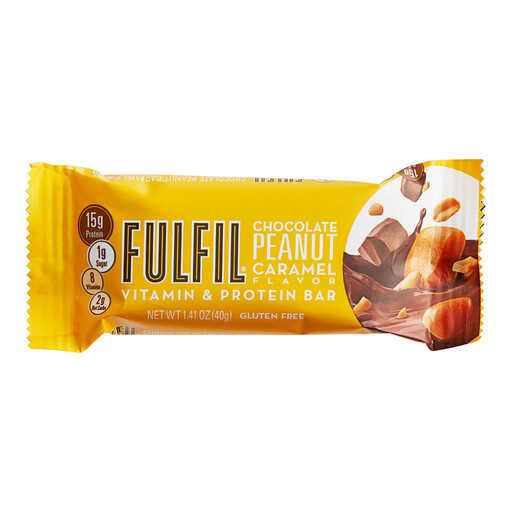 Image unavailable
FULFIL Protein Bar chocolate, peanut and caramel
Another protein bar to compare as a post-training snack, taking into account the meal that follows.
The title and description give different bar counts for the pack, so confirm how many bars are included before buying. Check the allergens on the packaging too, and try the bar during training if you plan to eat it on your bike.
View on Joybuy
Frequently asked questions
Is a ‘high protein’ bar suitable during a bike ride?
Not necessarily. For endurance fuelling, first consider the carbohydrate content and whether you can eat the bar while cycling. A review published in Sports Medicine in 2025 found no convincing evidence that adding protein to carbohydrates before or during endurance exercise improves performance. Try your chosen food during training to see how well you tolerate it.
When might you have a protein bar after cycling?
It can work as a snack after a ride, particularly if another session is coming up or your next meal is some way off. Current Sports Medicine Reports describes the complementary roles of carbohydrates and protein in endurance recovery: consider what the bar provides, then what the rest of your diet covers.
How do you compare a protein cereal bar with a sports nutrition bar?
Compare the product category and the values per bar, especially the serving size, protein and carbohydrates. Kellogg’s France lists 5.9 g of protein per 28 g bar for its Special K Protein coconut bar and 9.1 g per 35 g bar for its High Protein salted caramel bar; EAFIT lists 15 g for its 46 g chocolate protein bar. These amounts alone won’t tell you which option is right for you.
Should you check the allergens if you already know the brand?
Yes. Check the ingredients and allergen declaration for the recipe and pack you’re buying, rather than relying on another flavour in the range. For the Andros Sport chocolate and peanut bar featured here, conflicting information associated with the product makes checking the packaging particularly important if peanuts are a concern for you.
Do you need a fortified bar to improve your cycling?
No. Its ingredients may suit your snacking needs, but being fortified doesn’t prove that it’s necessary for your training. Anses challenges the idea that a normal diet is necessarily inadequate for achieving sporting goals. If you choose to have a bar, base your choice on the specific role it plays in your diet.


