Those keeping an eye on fat
You’re looking for a bar to have with your coffee, but fat content matters more to you than simply whether it’s labelled “high protein”.


To choose a protein bar to have with your coffee while keeping fat intake in check, first compare the values per 100 g, then work out how much you’ll get from the bar you plan to eat. Check the protein, sugars, ingredients and allergens separately: the words “high protein” or “no added sugar” don’t tell you how much fat a bar contains.
You’re looking for a bar to have with your coffee, but fat content matters more to you than simply whether it’s labelled “high protein”.
You want to know how much protein is in the bar you’re taking with you. Fat, sugars and ingredients are separate things to check.
An allergy or an ingredient you avoid may determine your choice before you even compare the nutritional values. Read the allergen information, any “may contain” warnings and the ingredient list for the product you’re buying.
For shoppers choosing a protein bar to go with their morning coffee, the needs below are grouped by the factor that matters most at the point of purchase.
| What matters | What to check | Who is it for? |
|---|---|---|
| Fat | Compare the fat content per 100 g, then work out how much is in the portion you’ll eat. | If I want to keep fat intake down with my coffee, the fact that a bar is labelled high protein isn’t enough to help me decide. Around 33% of shoppers would put this first. |
| Protein per bar | Check the grams of protein per bar; look at sugars and fat separately. | For a snack to take with me, I want to know what’s in the portion I’m going to eat. This would be the main priority for around 25% of shoppers. |
| Ingredients and allergens | Check the ingredients list, allergens, any “may contain” warnings and product-specific notices. | If I need to avoid an ingredient, whether it’s present matters more than the nutritional figures. Around 25% of shoppers would make suitability their priority. |
| Portion size | Check the weight of each bar and how many bars are in the pack. | I’m looking for a portion that’s easy to take with my coffee, and want to know what’s in the pack. Portion size would be the top priority for around 17% of shoppers. |
The amount of protein doesn’t tell you how much fat a bar contains. Carrefour’s product page for its Sensation seed and chocolate protein cereal bar lists 44 g of fat per 100 g.
Compare the fat content of different products on the same per-100 g basis, then take the weight of the portion you’ll eat into account.
These claims refer to different characteristics: one doesn’t tell you anything about the other.
Check the nutritional information, including fat, sugars and protein, as well as the ingredients list.
Ingredients and allergen warnings can vary from one recipe to another, even within the same brand.
If you have an allergy or avoid an ingredient, check the label for the specific product and batch you’re buying.
Carrefour offers, among other products, a protein cereal bar with seeds and chocolate. It’s worth distinguishing this from other protein bar recipes.
Auchan’s range includes a 55 g chocolate and hazelnut bar.
The range includes, among other products, a peanut and dark chocolate protein bar featured by Auchan.
Carrefour’s range includes the Caramel Crunch protein bar.
These bars are suitable as snacks to take with you for your morning coffee. Their name and format alone don’t establish that they carry a “reduced fat” claim, so compare the nutritional information for the product you choose.
 Image unavailable
This multipack could be handy if you like to have several snacks ready to take with your coffee. To choose based on fat content, check the nutritional values per 100 g and per bar; also check the allergens on the packaging.
 Image unavailable
This pack could suit you if you want bars to keep handy for several mornings. Compare the fat, protein and sugar content on the product label, then check the ingredients list.
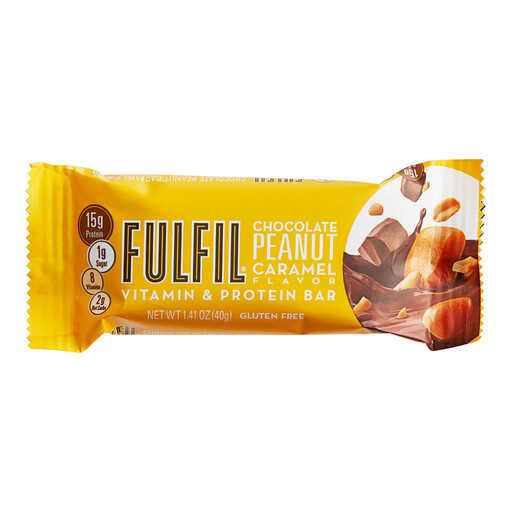 Image unavailable
The 40 g portion is a useful reference if you’re choosing a bar to take with your coffee. Check the fat content on the label and confirm how many bars are in the pack before you buy.
 Image unavailable
This 55 g bar could work as an individual portion with your coffee. If fat content is your top priority, compare the amount per 100 g; also read the ingredients and any warnings on the packaging.
No. This claim doesn’t tell you how much fat the bar contains. If you want to compare bars to have with your coffee, check the “fat” figure per 100 g, then take the weight of each bar into account.
Check the allergens and any “may contain” warnings on the specific product you’re buying, rather than relying on the brand name. Depending on the product, the recipes mentioned here may include milk, soya, peanuts or tree nuts.
Read the ingredients list and any warnings specific to the bar you choose. For example, Carrefour warns that excessive consumption of the Barebells Soft Protein Bar may have a laxative effect. This warning shouldn’t be assumed to apply to every bar from the brand.