People comparing protein per bar
For a snack around a workout, the amount listed per serving is more useful than the product’s sporty branding. Check the ingredients and allergens separately, too.


If protein is your priority for a Christmas party, compare the amount per bar and check the ingredients before choosing a chocolate snack. If you’d rather serve a smaller portion or something with a seedy, nutty texture, focus on those features instead, without assuming the bars offer the same protein benefits. None of these options alone is guaranteed to improve recovery.
For a snack around a workout, the amount listed per serving is more useful than the product’s sporty branding. Check the ingredients and allergens separately, too.
A small chocolate treat or a seedy texture may matter more than the highest possible protein content. If so, look at the size, energy per bar and how easy each individually wrapped option is to serve.
If a guest needs to avoid certain ingredients, check each variety before serving it. Product listings from Carrefour France and E.Leclerc mention ingredients including milk, soya, eggs, wheat, peanuts and tree nuts, depending on the product.
For a Christmas party, start with what matters most to you, then compare the nutritional information per bar and per 100 g. The same amount of protein per 100 g won’t necessarily mean you consume the same amount if the portions are different.
| What to compare | What to check | Who is it for? |
|---|---|---|
| Protein per bar | Check the grams per serving. To use the claim “high protein”, at least 20% of the energy must come from protein under EU regulations. | For a snack around a workout, I want to know what the whole bar provides, not just the figure per 100 g; around 36% of consumers put this amount of protein first. |
| Size and texture | Compare the bar’s weight, ingredients and energy per serving. | At a buffet, I might prefer a chocolate bite with seeds or almonds to a large sports-style bar; around 29% of consumers prioritise a more indulgent format. |
| Sugars and energy | Look at sugars, energy, fat and any sweeteners together. | If I’m mainly keeping an eye on what each portion contains, a low sugar figure isn’t enough to help me choose; around 21% of consumers prioritise this nutritional comparison. |
| Allergens | Check the ingredients list and any “may contain” warnings on the packaging of the variety you’re serving. | If a guest needs to avoid an ingredient, I need to find a suitable bar before comparing its flavour or protein content; around 14% of consumers put this first. |
This claim describes a compositional requirement defined by EU rules on nutrition claims. On its own, it does not demonstrate an effect on recovery after exercise.
Compare the protein per serving and choose with the full ingredients list in mind.
Some products contain sweeteners, and a bar’s sugar content doesn’t tell you everything about its energy or fat content.
Read these figures together, both per serving and per 100 g, and check the ingredients list too.
Ingredients and traces warnings vary between products. A bar that’s suitable for one guest may not be suitable for another.
Keep the packaging to hand and check each variety before serving it to anyone with a known dietary restriction.
According to the DGCCRF, Nutri-Score is a voluntary labelling scheme in France. The absence of a logo alone doesn’t tell you what a bar contains.
Check the nutritional information and ingredients, and use Nutri-Score as an extra guide when it appears on the packaging.
Carrefour France lists a 59 g chocolate and coconut bar in its Nutrition and Protein range.
A Carrefour France listing describes a chocolate, peanut and caramel bar.
E.Leclerc lists a 28 g Fit chocolate bar.
E.Leclerc lists a pack of six chocolate bars in its high-protein range.
Carrefour France describes a dark chocolate bar with seeds and almonds.
This Joybuy selection includes chocolate bars designed as protein snacks, as well as chocolate meal bars. For a buffet, check the size before choosing: some are small bars, while others weigh 100 g.
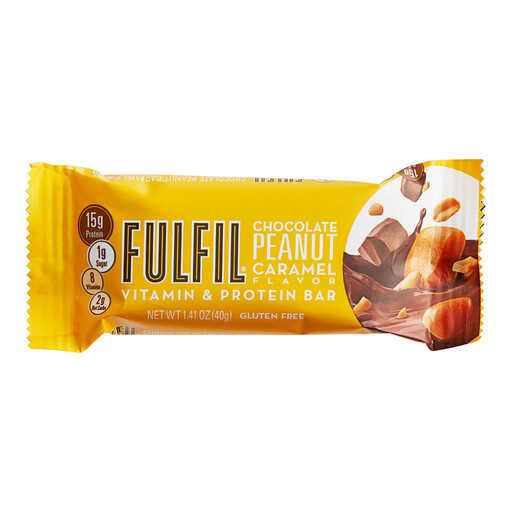 Image unavailable
If you’d like to compare the protein content per bar in a chocolate snack, check the nutritional information for the 40 g serving. This variety contains milk, soya and peanuts; check the packaging for trace warnings before serving it, too.
 Image unavailable
This 55 g bar is a good fit if you’re comparing protein portions across different sizes. It contains milk, peanuts and soya; check the packaging for other allergen information and ingredients.
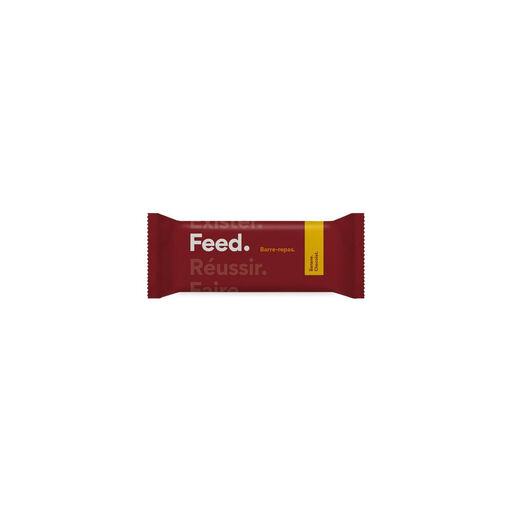 Image unavailable
This 100 g meal bar is better suited to anyone looking for a meal-sized option than a small bite to put out on a buffet. It contains gluten and milk; check the packaging for trace warnings if you’re serving it to guests.
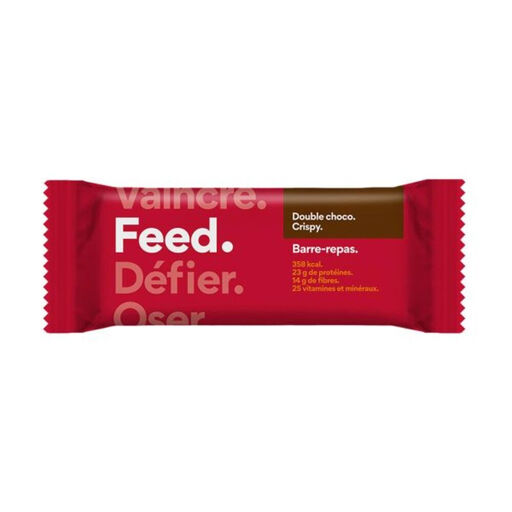 Image unavailable
If you fancy chocolate in a meal-sized format, bear in mind the 100 g portion before choosing it instead of a small evening snack. This product contains gluten and milk; check the packaging for other allergen information.
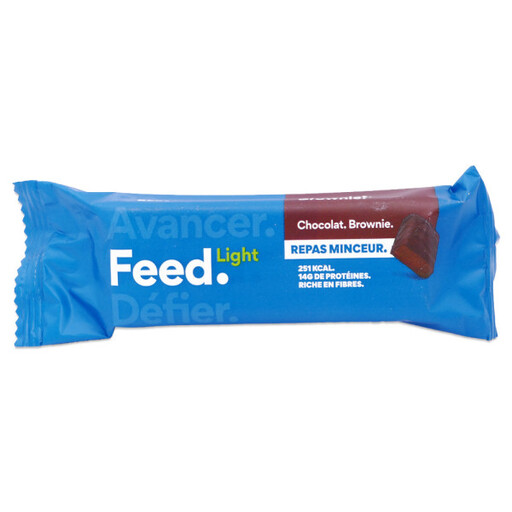 Image unavailable
If you’re choosing this 70 g chocolate bar for its protein content, check the amount per bar on the packaging before comparing it with other products. Its ingredients include soya and hazelnuts, as well as maltitol and sucralose.
No, not to a solid chocolate bar under this levy. Article 1613 ter of the French General Tax Code, published by Légifrance, applies to drinks and liquid preparations for drinks. However, a bar’s sugar content is still worth checking on the label.
No. According to the DGCCRF, Nutri-Score is voluntary in France. For the prepacked foods covered by the rules, EU regulations require a nutrition declaration that includes energy, fat, carbohydrates, sugars, protein and salt.
Under EU rules on nutrition claims, at least 20% of a food’s energy value must come from protein for it to carry this claim. Check the grams of protein per serving, too: the regulatory requirement alone doesn’t tell you how much protein is in a whole bar.
No. Sugars alone don’t tell you about a bar’s energy, fat or ingredients. Compare the figures per serving and check whether the bar contains sweeteners; don’t assume a single figure means it’s better overall nutritionally.
Check the allergens on the packaging of every variety and make this information easy for guests to access. The Carrefour France and E.Leclerc listings cited for these types of bars mention milk, soya, egg, wheat, peanuts and tree nuts, depending on the product; some may appear in trace warnings.